- What Conflict Questions Reveal: They test emotional intelligence, professionalism, and resilience by showing whether you blame others or take accountability.
- What Interviewers Evaluate: They listen for perspective-taking, self-awareness, ownership, and mature communication, not who “won” the disagreement.
- Answer Framework: Use a STAR-style structure with minimal context and spend most of your time on your actions, the resolution, and what you learned.
- Common Deal-Breakers: Saying you never have conflict, venting about coworkers or bosses, or giving a vague, sanitized story that proves nothing.
- Prepare And Practice: Pick 3 to 4 conflict stories with positive outcomes or clear learning, rehearse a calm tone, and keep delivery tight in 60–90 seconds.
Why Conflict Questions Reveal Character
Interviewers asking about conflicts, disagreements, and difficult situations aren’t looking for drama – they’re evaluating emotional intelligence, professionalism, and resilience. How you handle conflict interview questions reveals whether you blame others, take accountability, and navigate tension productively. Candidates who dodge conflict questions or paint themselves as victims raise immediate red flags about their ability to work collaboratively under real workplace pressure.
The challenge lies in discussing conflicts honestly without appearing difficult, defensive, or unprofessional. Strong candidates acknowledge conflicts existed, focus on resolution rather than blame, and demonstrate growth from difficult experiences. Weak candidates either claim they’ve never experienced conflict (dishonest) or spend their answer criticizing former colleagues (unprofessional). Understanding behavioral interview questions provides broader context for navigating these sensitive topics effectively.
What Interviewers Actually Evaluate
When asking behavioral conflict questions, interviewers assess multiple dimensions beyond just the story you tell. They’re evaluating self-awareness, accountability, communication skills, and whether you learn from difficult experiences.
Emotional Intelligence and Self-Awareness
Strong answers demonstrate understanding of different perspectives, recognition of your own contribution to conflicts, and ability to manage emotions under pressure. Candidates who only describe others’ faults while positioning themselves as blameless lack the self-awareness essential for professional growth.
- 🎯 Perspective-taking: Understanding why others felt or acted as they did
- 💡 Self-reflection: Recognizing your role in conflicts honestly
- 🤝 Empathy: Acknowledging valid concerns even when you disagree
- 📊 Regulation: Managing frustration without emotional outbursts
💡 Pro tip: The best conflict answers acknowledge that reasonable people can disagree in good faith. You don’t need to prove the other person was wrong – just show how you navigated the disagreement professionally.
Accountability and Ownership
Employers value candidates who take responsibility for mistakes and learn from failures. Questions about conflicts test whether you deflect blame or own your contributions to problems. The ability to say “I should have handled that differently” separates mature professionals from defensive ones.
| Strong Accountability Signals | Weak Accountability Signals |
|---|---|
| Acknowledging your mistakes or misjudgments | Blaming circumstances or other people entirely |
| Describing what you learned and would do differently | Claiming you did everything perfectly |
| Taking ownership of outcomes even with shared responsibility | Emphasizing how others failed you |
| Focusing on solutions and moving forward | Dwelling on grievances and injustices |
Professional Maturity and Communication
How you describe conflicts reveals your professionalism. Mature candidates discuss disagreements without badmouthing former colleagues or managers. They focus on issues rather than attacking personalities. They demonstrate that they can navigate workplace tension without creating toxic environments.
Expert advice: Never use conflict questions as opportunities to vent about terrible former bosses or toxic coworkers. Even if your complaints are valid, spending interview time criticizing others makes you look like the problem.
Framework for Answering Conflict Questions
Learning how to answer conflict questions requires structured approaches that keep you focused on resolution, growth, and professionalism rather than blame or defensiveness.
STAR Method for Conflict Situations
The STAR framework (Situation, Task, Action, Result) works for conflict questions with modifications. Spend minimal time on situation details and maximum time on your actions and the resolution you achieved.
- Situation: Brief context without excessive negativity about others
- Task: What needed to happen to resolve the conflict
- Action: Specific steps you took – this should be the longest part
- Result: How things improved, what you learned, relationship outcome
Spend 60-70% of your answer on actions and results. Candidates who spend most of their time describing how terrible the situation was look like complainers rather than problem-solvers.
Key Principles for Conflict Answers
Beyond structure, certain principles separate strong conflict answers from weak ones. These principles guide what to emphasize and what to downplay throughout your response.
| Do This | Not This |
|---|---|
| Focus on the issue or problem | Attack the person’s character or competence |
| Describe your attempts to understand their perspective | Explain why they were wrong and you were right |
| Share what you learned from the experience | Claim you handled everything perfectly |
| Show how the conflict led to better outcomes | Leave the impression nothing positive came from it |
Common Mistakes That Damage Candidacy
Even qualified candidates sabotage themselves with poor approaches to conflict resolution interview answers. Understanding what not to do prevents common missteps.
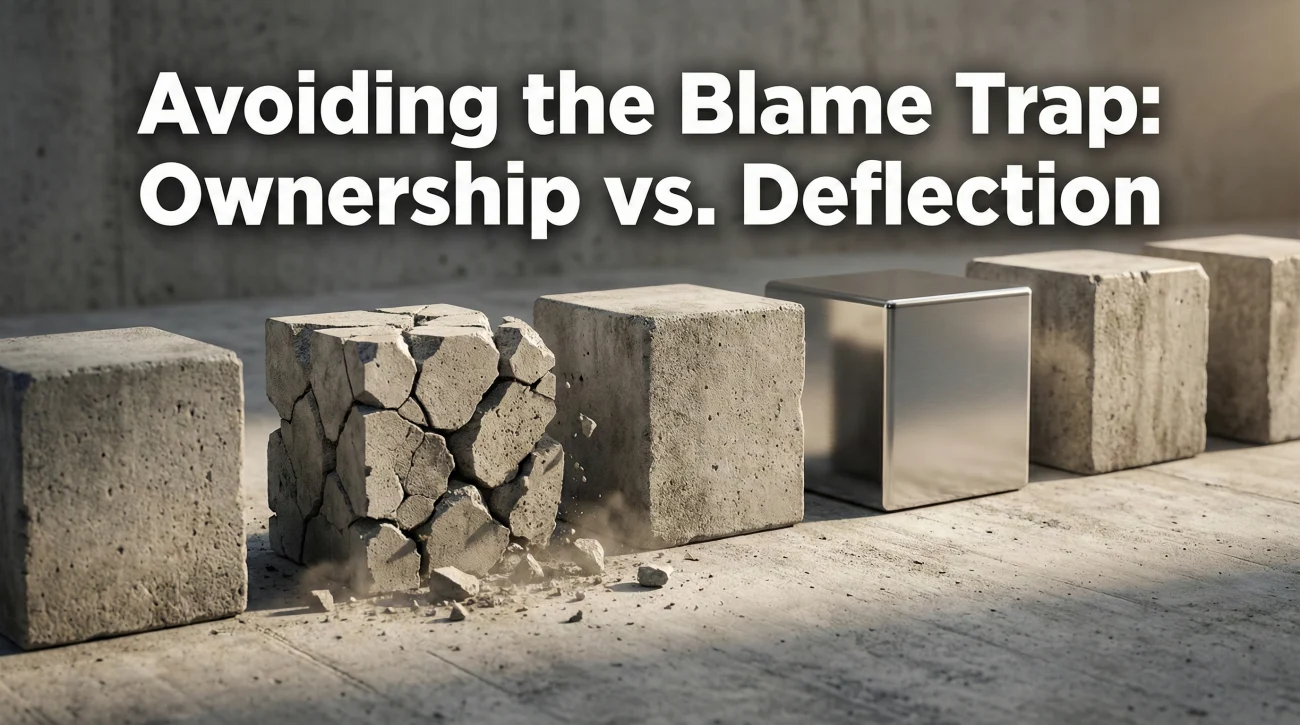
Claiming You’ve Never Had Conflict
Some candidates claim they’ve never experienced workplace conflict, thinking this makes them appear easy to work with. Instead, it signals dishonesty or lack of self-awareness. Everyone experiences disagreements in professional settings. Denying this reality makes interviewers question your honesty or whether you’re so conflict-avoidant that problems fester.
Saying “I’ve never had a conflict” is worse than admitting to a minor disagreement and explaining how you handled it professionally.
Excessive Criticism or Blame
The opposite extreme – spending your answer criticizing former colleagues or managers – is equally damaging. Even if your former boss was genuinely terrible, using interview time to vent about them suggests you’ll do the same about your future employer.
- 🚫 Character attacks: Calling someone incompetent, lazy, or toxic
- 🚫 Excessive detail: Listing all their flaws and mistakes
- 🚫 Victim positioning: Emphasizing how unfairly you were treated
- 🚫 Unresolved bitterness: Clear anger or resentment when discussing past conflicts
Vague or Generic Responses
Some candidates give answers so sanitized and generic that they reveal nothing meaningful. “We had different opinions but talked it through and reached agreement” provides no insight into your actual conflict resolution skills. Specific examples with real details (while remaining professional) demonstrate genuine experience.
Expert advice: Specific details make stories credible. Instead of “we disagreed about the project approach,” explain “they wanted to prioritize new features while I advocated for addressing technical debt first.” Specificity shows real experience.
Strategies by Conflict Category
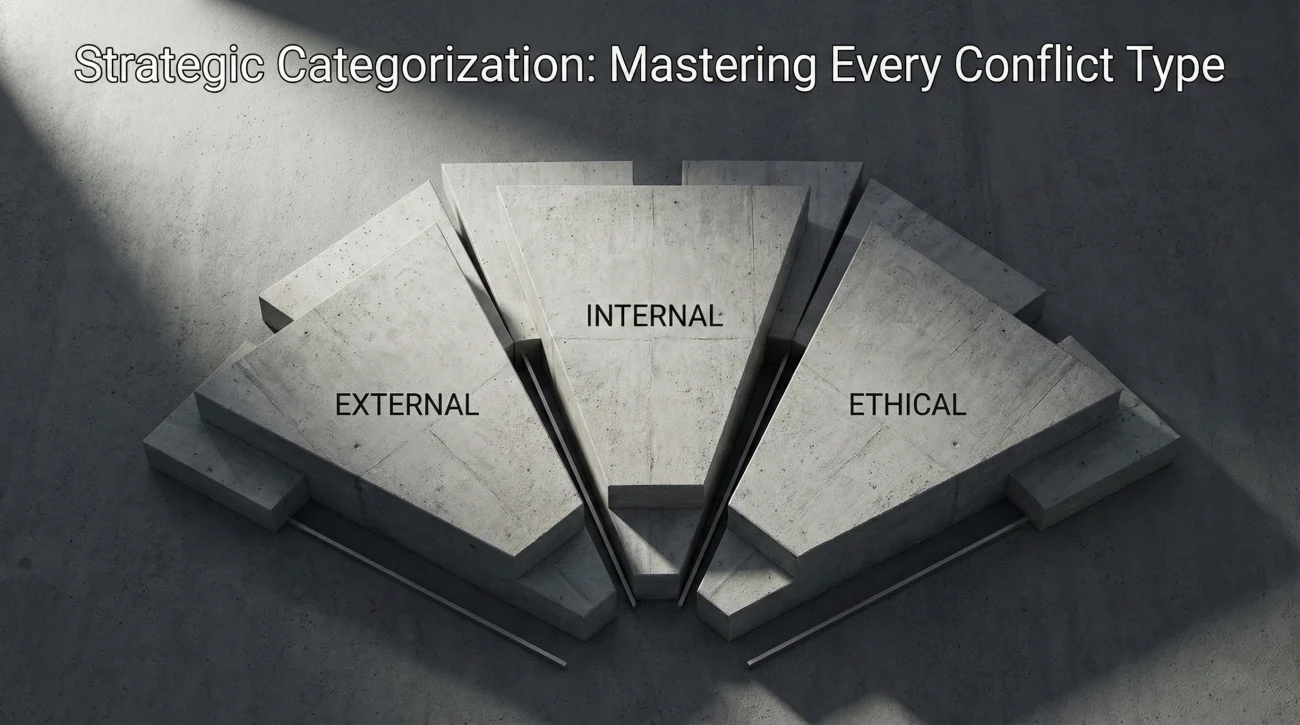
Different types of interview questions about conflict require tailored approaches. Internal conflicts with colleagues differ from external conflicts with customers or ethical dilemmas.
Internal Team and Colleague Conflicts
Questions about disagreements with coworkers or managers test your ability to navigate workplace relationships without creating toxicity. These situations require emphasizing collaboration, communication, and finding common ground while maintaining professional boundaries.
- Emphasize shared goals even when approaches differed
- Describe how you sought to understand their perspective first
- Show respect for their expertise or position even in disagreement
- Explain how the relationship maintained or improved after resolution
External Conflicts with Customers or Stakeholders
Customer conflict questions evaluate your patience, de-escalation skills, and ability to represent the company professionally under pressure. These answers should demonstrate empathy for customer frustration while maintaining professional boundaries and company interests.
Failure, Pressure, and Resilience Questions
Questions about failures, mistakes, and working under pressure test your accountability and ability to learn from setbacks. These require acknowledging mistakes honestly while demonstrating growth and improved judgment.
| Conflict Type | Key Focus | What to Emphasize |
|---|---|---|
| Coworker Disagreement | Collaboration despite differences | Finding common ground, maintaining relationship |
| Manager Conflict | Respectful dissent | Presenting alternatives professionally, following decisions |
| Customer Issues | De-escalation and empathy | Patience, problem-solving, representing company well |
| Failure or Mistake | Ownership and learning | Taking responsibility, specific lessons learned |
Preparation and Practice Strategies
Strong conflict answers require advance preparation. You can’t craft thoughtful, professional responses on the spot when asked about sensitive situations.
Identifying Strong Conflict Stories
Review your work history and identify 3-4 conflict situations that demonstrate different skills. Choose examples where you handled things professionally, learned something meaningful, and can discuss the situation without excessive negativity.
💡 Pro tip: The best conflict stories have positive resolutions or clear learning outcomes. Avoid examples that ended badly with no redemption – they leave negative impressions even if you weren’t at fault.
Practicing Professional Delivery
Practice telling conflict stories out loud. This reveals where your tone becomes bitter, where you spend too much time on blame, or where details become unclear. Record yourself or practice with someone who can provide honest feedback about your delivery.
- 🎯 Tone check: Does your voice sound resentful or professional?
- ⏰ Length: Can you tell the story in 60-90 seconds?
- 📊 Balance: Are you spending most time on actions/results vs complaints?
- 💡 Clarity: Would someone unfamiliar with the situation understand it?
Explore Conflict Topics in Depth
Mastering conflict interview questions requires understanding specific situations and building foundational knowledge about conflict resolution, communication, and professional resilience. These guides provide comprehensive coverage across different conflict scenarios and skill areas.
Foundation Knowledge
Foundation Knowledge
| Topic | What it helps you do |
|---|---|
| Conflict Resolution Strategies | Choose the right approach for each conflict style, and explain your reasoning clearly in an interview. |
| Constructive Criticism Examples | Show you can give feedback without friction, and take feedback without getting defensive. |
| Psychological Safety at Work | Explain how you build trust so issues get surfaced early instead of exploding later. |
Internal Workplace Conflicts
Internal Workplace Conflicts
| Topic | What it helps you do |
|---|---|
| Conflict with a Coworker | Describe how you reset collaboration when day to day working styles clash. |
| Disagreement With Your Boss | Show respectful pushback, alignment, and how you protect outcomes without burning trust. |
| Conflict Within a Team | Explain how you facilitate a resolution when multiple voices and priorities collide. |
| Dealing with Difficult Coworkers | Prove you can manage tension with boundaries, clarity, and professionalism. |
External Conflicts and Ethical Situations
External Conflicts and Ethical Situations
| Topic | What it helps you do |
|---|---|
| Handling Angry Customers | Demonstrate de escalation, ownership, and a practical fix under pressure. |
| Conflict of Interest Examples | Show strong judgment, transparency, and how you protect the company and the customer. |
Resilience and Pressure Situations
Resilience and Pressure Situations
| Topic | What it helps you do |
|---|---|
| Tell Me About a Time You Failed | Frame failure as learning, accountability, and improved decision making. |
| Biggest Professional Mistake | Show maturity by owning impact, fixing fast, and preventing a repeat. |
| Challenge You Overcame | Prove grit and problem solving with a clear before, during, after story. |
| Working Under Pressure | Explain how you prioritize, communicate, and deliver when stakes are high. |
| Adapting to Change | Show you can adjust plans quickly while keeping stakeholders aligned. |
| Ethical Dilemma Interview Questions | Demonstrate how you make principled choices when rules are unclear or inconvenient. |
❓ FAQ
🎯 Should I choose a conflict example where I was right or wrong?
Choose examples where you handled the situation professionally regardless of who was ultimately right. The interviewer cares more about your process and maturity than whether you won the argument. Often the strongest answers involve situations where both parties had valid points and you found middle ground.
💼 Can I use a conflict example from outside work?
Use professional examples whenever possible. If you’re early career with limited work experience, you can use academic team projects or volunteer work, but frame them professionally. Personal conflicts with family or friends are off-limits – they don’t demonstrate workplace skills.
⏰ How much detail should I include about the conflict?
Provide just enough context to understand the situation, then focus primarily on your actions and the resolution. A good ratio is 20% situation context, 60% your actions, 20% results and learning. Excessive detail about the conflict itself makes you sound like you’re dwelling on negativity.
📋 What if the conflict ended badly and we never resolved it?
Choose a different example if possible. If pressed about a specific type of unresolved conflict, focus on what you learned about your approach rather than dwelling on the negative outcome. Explain what you would do differently now with more experience. Show growth even from negative experiences.
✨ Should I mention if the other person was eventually fired or left?
Only mention it if directly relevant to demonstrating the validity of your concerns. Don’t lead with it or seem gleeful about it. The focus should be your professional handling of the situation, not vindication through their departure. Celebrating someone else’s failure reflects poorly on you.
Final Thoughts
Mastering conflict interview questions requires balancing honesty about workplace challenges with professionalism in how you discuss them. The goal isn’t pretending conflicts never happen or that you’re perfect. Instead, demonstrate that you handle disagreements maturely, take accountability for your role in problems, and learn from difficult experiences.
Strong answers focus on issues rather than personalities, actions rather than complaints, and resolutions rather than blame. They show emotional intelligence through acknowledging multiple perspectives, professional maturity through respectful communication, and growth mindset through extracting lessons from setbacks. Weak answers dwell on how terrible others were, deflect responsibility, or claim impossibly perfect records.
Prepare thoroughly by identifying specific examples, practicing professional delivery, and ensuring your tone remains constructive rather than bitter. Remember that interviewers asking about conflicts aren’t looking for drama – they’re evaluating whether you’re someone who creates solutions or amplifies problems when workplace tension inevitably arises.
⚠️ Disclaimer: The interview strategies, sample answers, and negotiation tips provided in this guide are for educational purposes only. Hiring decisions are subjective and vary by company and industry. While these strategies are based on professional HR standards, they do not guarantee a specific job offer or result.