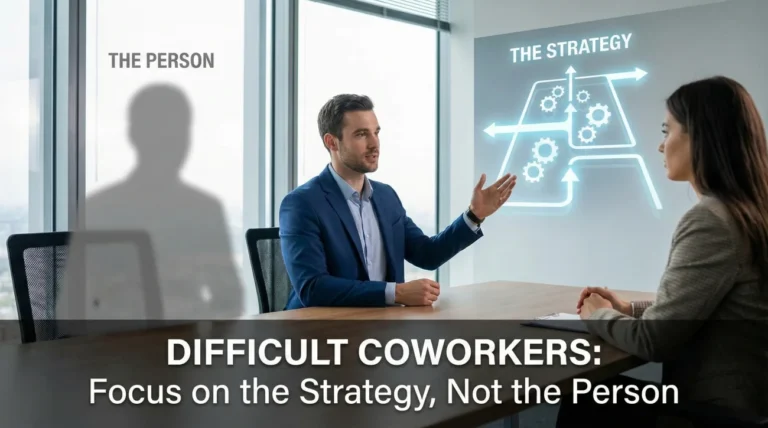
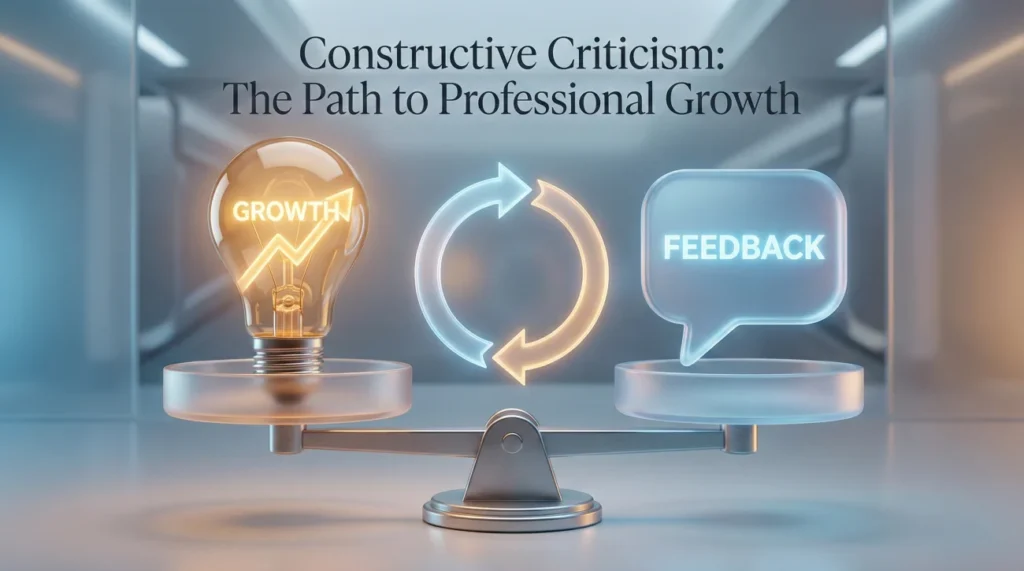
- Why Criticism Matters: It separates growth from stagnation by treating feedback as information about the work, not a judgment of your worth.
- Constructive vs Destructive: Constructive feedback is specific, behavior-focused, and actionable, while destructive criticism is vague, personal, and offers no path forward.
- How To Give It Well: Deliver it privately and promptly, cite clear examples and impact, then pair the issue with practical suggestions or support.
- How To Receive It Professionally: Pause before reacting, listen fully, ask for specifics, weigh the source and patterns, then respond calmly and act on what is useful.
- How To Talk About It In Interviews: Use one real example to show coachability, explain what you changed and the result, and avoid claims like “I never get criticism” or “It was unfair.”
Why Criticism Separates Growth from Stagnation
The ability to give and receive criticism professionally determines whether you grow or plateau in your career. Strong performers actively seek feedback, distinguish between constructive input and personal attacks, and respond to criticism with curiosity rather than defensiveness. Understanding constructive criticism examples helps you navigate feedback conversations that make many professionals uncomfortable but are essential for development.
Most people struggle with criticism because they conflate feedback on work with judgment of worth. When someone critiques your approach, defensive reactions interpret it as “you’re incompetent.” Growth-oriented professionals separate their identity from their work, viewing criticism as information about how to improve rather than evidence of failure. This skill becomes especially important when discussing how you handle feedback during behavioral interview questions about conflict and professional development.
Constructive vs Destructive Criticism
Understanding constructive vs destructive criticism helps you identify when feedback deserves serious consideration versus when you’re dealing with personal attacks that should be dismissed or addressed differently.
Characteristics of Constructive Criticism
Constructive criticism focuses on behavior, provides specific examples, offers actionable suggestions, and aims to help rather than harm. It addresses what you did, not who you are, and provides a path forward for improvement.
| Constructive Criticism | Destructive Criticism |
|---|---|
| Specific examples: “The report missed key data points” | Vague attacks: “Your work is always sloppy” |
| Behavior-focused: “You interrupted during the presentation” | Character attacks: “You’re rude and inconsiderate” |
| Actionable: “Next time, include competitor analysis” | Unhelpful: “You should do better” |
| Well-timed: Delivered promptly and privately | Poorly-timed: Public humiliation or delayed ambush |
| Improvement-focused: “This will strengthen your case” | Punishment-focused: “This is unacceptable” |
💡 Pro tip: Even harsh-sounding feedback can be constructive if it’s specific, actionable, and focused on improvement. Tone matters less than substance and intent.
Recognizing Destructive Criticism
Destructive criticism attacks character rather than addressing behavior, lacks specifics, provides no path to improvement, and often serves the critic’s emotional needs rather than helping you develop. Recognizing these patterns helps you avoid internalizing unhelpful attacks.
- 🚫 Generalizations: “You always…” or “You never…”
- 🚫 Character attacks: Criticizing who you are rather than what you did
- 🚫 Public humiliation: Criticizing in front of others unnecessarily
- 🚫 No solutions: Pointing out problems without guidance
- 🚫 Emotional venting: More about their feelings than your improvement
How to Give Constructive Criticism
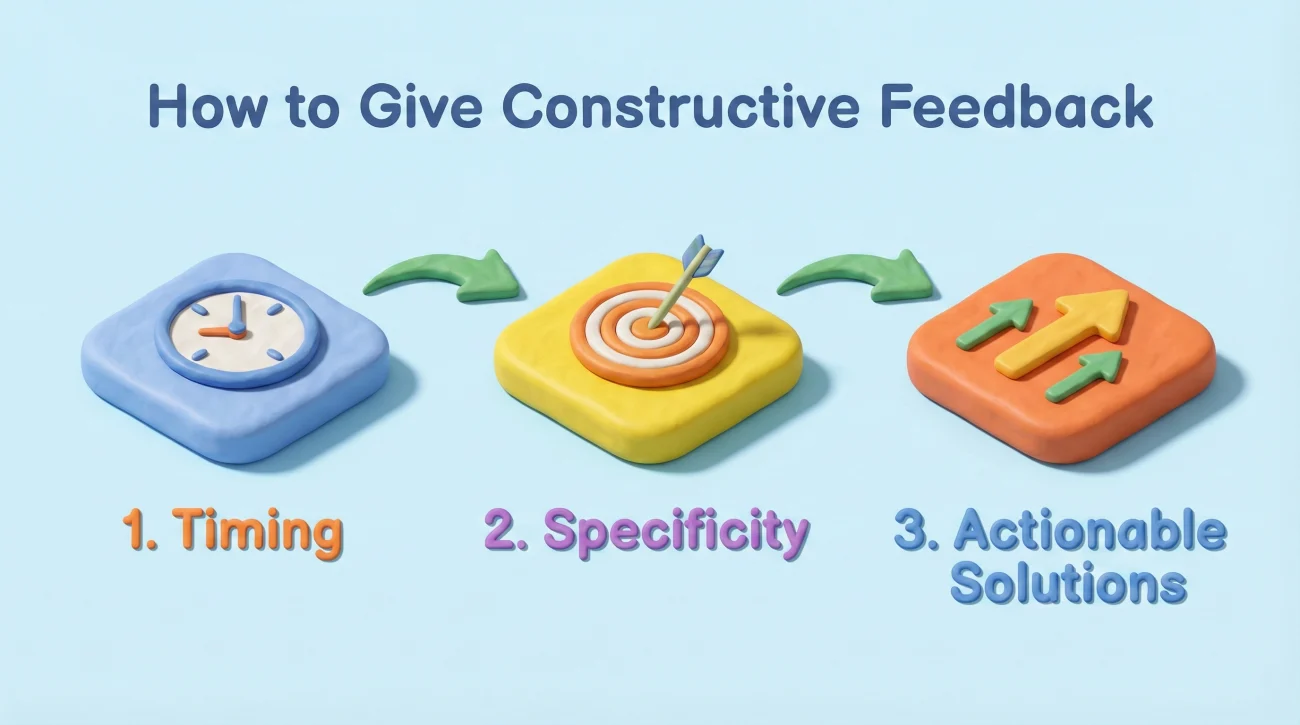
Learning how to give constructive feedback requires balancing honesty with empathy, focusing on behavior rather than character, and providing clear paths forward for improvement.
Choose the Right Timing and Setting
Deliver criticism promptly enough to be relevant but privately enough to preserve dignity. Immediate feedback prevents issues from escalating, but public criticism creates defensiveness and damages relationships. Find private moments to discuss performance concerns.
Expert advice: The “praise publicly, criticize privately” rule exists for good reason. Public criticism triggers defensive reactions that prevent learning. Private conversations allow people to process feedback without protecting their reputation.
Be Specific and Behavioral
Vague criticism like “you need to communicate better” provides no actionable guidance. Specific behavioral feedback like “you didn’t inform the team about the deadline change, which caused three people to miss it” identifies exactly what needs to change.
| Vague Criticism | Specific Behavioral Feedback |
|---|---|
| “Your presentation skills need work” | “You spoke too quickly for the audience to follow your main points” |
| “You’re not a team player” | “You completed your part without checking if others needed help” |
| “Your attitude is negative” | “You dismissed three suggestions in the meeting without explaining concerns” |
| “You need to be more professional” | “You arrived 15 minutes late to the client meeting without advance notice” |
Provide Actionable Suggestions
Pointing out problems without offering solutions creates frustration. After identifying what went wrong, explain what good performance looks like or suggest specific improvements. This transforms criticism from judgment into coaching.
- Explain the impact of the behavior you’re critiquing
- Describe what you’d like to see instead
- Offer resources or support to help them improve
- Ask if they see other solutions you haven’t considered
Criticism without suggested improvements feels like an attack. Always pair “here’s what didn’t work” with “here’s what would work better.”
How to Receive Criticism Professionally
Understanding receiving criticism professionally requires managing defensive reactions, separating useful feedback from unhelpful attacks, and demonstrating growth mindset that welcomes opportunities to improve.

Manage Initial Defensive Reactions
Everyone’s first instinct when criticized is defensiveness – explaining why you did what you did, justifying decisions, or deflecting blame. Recognize this reaction as natural but unhelpful. Take a breath, resist the urge to defend immediately, and listen fully before responding.
- 🎯 Pause before responding: Count to three before speaking
- 💡 Listen completely: Don’t interrupt to defend or explain
- 📊 Assume good intent: Most feedback aims to help, not harm
- 🤝 Ask clarifying questions: Seek specifics if feedback seems vague
Separate Useful Feedback from Noise
Not all criticism deserves equal weight. Evaluate feedback based on the critic’s expertise, whether they have relevant context, and whether their suggestions would actually improve outcomes. Accept useful input while dismissing unhelpful attacks.
| Consider Seriously | Take With Caution |
|---|---|
| Feedback from people with relevant expertise | Criticism from those unfamiliar with context |
| Specific, actionable suggestions | Vague complaints without proposed solutions |
| Patterns you hear from multiple sources | Isolated complaints from single individuals |
| Behavioral observations about your actions | Character judgments about who you are |
| Feedback aligned with your goals | Criticism pushing you toward others’ priorities |
Expert advice: If you hear the same criticism from three different people, it’s probably valid regardless of how you feel about it. Patterns matter more than individual opinions.
Respond Professionally
Even when criticism feels unfair, respond professionally. Thank people for their input, ask questions to understand their perspective, and explain your reasoning calmly if appropriate. Defensive or hostile responses damage relationships and shut down future feedback.
- Thank them for taking time to provide feedback
- Ask questions to understand their perspective fully
- Acknowledge valid points even if you disagree with some aspects
- Explain your reasoning without being defensive
- Commit to considering their input and following up
Developing Growth Mindset Around Feedback
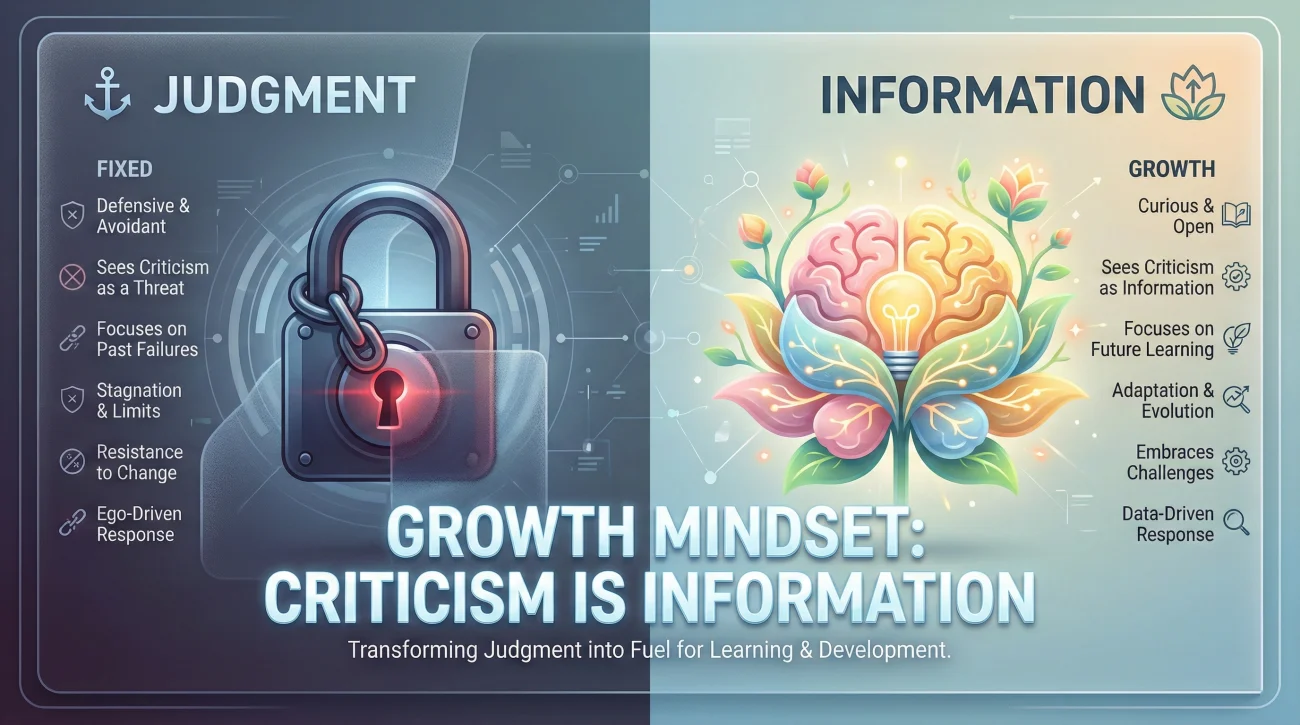
Understanding growth mindset feedback means viewing criticism as information about how to improve rather than evidence of inadequacy. People with fixed mindsets see criticism as proof they lack talent. People with growth mindsets see criticism as guidance for development.
Fixed Mindset vs Growth Mindset Responses
Your internal dialogue when receiving criticism reveals whether you operate from fixed or growth mindset. Fixed mindset interprets criticism as judgment. Growth mindset interprets it as information.
| Fixed Mindset Response | Growth Mindset Response |
|---|---|
| “They think I’m incompetent” | “This shows me what I need to learn” |
| “I can’t do anything right” | “This specific behavior didn’t work well” |
| “This proves I’m not cut out for this” | “This is part of developing expertise” |
| “I need to defend my decisions” | “I should understand their perspective” |
| “They’re trying to make me look bad” | “They’re trying to help me improve” |
💡 Pro tip: Notice your first thought when criticized. That automatic response reveals your underlying mindset. With practice, you can catch fixed mindset reactions and consciously reframe them toward growth.
Actively Seeking Feedback
Growth-oriented professionals don’t wait for criticism – they actively seek it. Asking for feedback signals confidence and commitment to improvement. It also gives you more control over when and how you receive criticism.
- 📋 “What could I have done better?” – After completing projects
- 🎯 “What should I focus on improving?” – During one-on-ones
- 💡 “What am I missing?” – When making decisions
- 🔄 “How can I make this stronger?” – Before finalizing work
Discussing Criticism in Interviews
Interview questions about receiving criticism test your self-awareness, coachability, and professional maturity. Strong answers demonstrate that you welcome feedback, learn from it, and improve your performance based on input.

Example Answer Framework
Structure answers about criticism using specific examples that show your growth mindset, how you processed the feedback, and concrete improvements you made as a result.
- Describe the criticism you received without defensiveness
- Explain your initial reaction honestly but professionally
- Show how you evaluated the feedback for validity
- Describe specific actions you took based on the input
- Demonstrate measurable improvement from applying the feedback
Never claim you’ve never received criticism or always handle it perfectly. These answers signal lack of self-awareness or dishonesty. Everyone receives criticism; strong candidates show how they use it to improve.
Answers That Raise Red Flags
Certain responses to criticism questions immediately concern interviewers. These answers suggest defensiveness, inability to learn, or lack of self-awareness that makes you difficult to manage or develop.
| Red Flag Answer | Why It Fails |
|---|---|
| “I’ve never really received criticism” | Signals lack of self-awareness or dishonesty |
| “The criticism was unfair and wrong” | Shows defensiveness and inability to learn from feedback |
| “I don’t let criticism bother me” | Suggests you dismiss feedback rather than considering it |
| Spending entire answer justifying why you were right | Demonstrates defensive mindset and poor self-reflection |
❓ FAQ
🎯 How do I give criticism to someone senior to me?
Frame feedback as questions or observations rather than directives. Say “I noticed X and wondered if Y approach might work better” instead of “You should do Y.” Focus on impact rather than telling them what to do. Senior people respond better to peer-style feedback than subordinate-style correction.
💼 What if criticism is delivered unprofessionally or angrily?
Separate the delivery from the content. Poor delivery doesn’t automatically invalidate the feedback. Try “I want to understand your concerns, but the tone is making it hard for me to focus on the substance. Can we discuss this when we’re both calmer?” Address delivery issues while staying open to valid points.
⏰ Should I respond to criticism immediately or take time to think?
Acknowledge criticism immediately but take time before responding substantively if you feel defensive. Say “I appreciate the feedback and want to think about it carefully. Can we discuss my response tomorrow?” This prevents defensive reactions while showing you take feedback seriously.
📋 How do I know if criticism is valid or just someone’s opinion?
Consider the critic’s expertise and whether others have mentioned similar concerns. Valid criticism usually includes specific examples and aligns with observable outcomes. If multiple people mention the same issue, it’s likely valid. If it’s one person’s isolated complaint that contradicts other feedback, weight it accordingly.
✨ Can I disagree with criticism I receive?
Yes, but do it thoughtfully. Acknowledge their perspective, explain your reasoning, and stay open to the possibility they see something you don’t. Say “I understand your concern. Here’s my thinking, but I’m open to discussing where our perspectives differ.” Disagreement itself isn’t defensive – how you disagree matters.
Final Thoughts
Mastering constructive criticism examples means developing both the skill to give feedback effectively and the maturity to receive it professionally. Constructive criticism focuses on specific behaviors, provides actionable suggestions, and aims to help rather than harm. Destructive criticism attacks character, lacks specifics, and serves the critic’s emotions rather than your development.
Giving criticism well requires choosing appropriate timing and setting, being specific and behavioral rather than vague and personal, and offering clear paths to improvement. Receiving criticism professionally means managing defensive reactions, separating useful feedback from unhelpful attacks, and demonstrating growth mindset that views criticism as information rather than judgment.
The difference between professionals who stagnate and those who continuously improve often comes down to how they handle feedback. Those who defend, deflect, or dismiss criticism protect their ego but limit their growth. Those who seek feedback actively, evaluate it honestly, and adjust based on valid input develop rapidly and build reputations as coachable high performers who continuously elevate their game.
⚠️ Disclaimer: The interview strategies, sample answers, and negotiation tips provided in this guide are for educational purposes only. Hiring decisions are subjective and vary by company and industry. While these strategies are based on professional HR standards, they do not guarantee a specific job offer or result.