The Call That Changes Everything
Your phone rings at 2am. Your mother has fallen and broken her hip. Or your father’s dementia has progressed to where he can’t be alone. Or your spouse’s diagnosis arrives and everything you planned suddenly becomes irrelevant. In that moment, careers and ambitions become secondary considerations. You do what humans have always done for those they love: you show up.
Months pass. Maybe years. Doctor appointments, insurance battles, medication schedules, emotional exhaustion. You become someone’s lifeline while your own professional identity fades into the background. The career you built feels increasingly distant.
Then one day, the situation changes. Recovery happens, or care arrangements stabilize, or you lose someone you loved. And you find yourself back in an interview room, facing someone who wants to know about the gap on your resume. How do you explain that you spent that time helping someone survive, recover, or die with dignity?
Understanding how to explain a caregiving gap in an interview requires recognizing that this experience, as difficult as it was, reveals character that employers genuinely value. Empathy under pressure. Resilience through sustained difficulty. The ability to manage crisis while maintaining functionality. The willingness to sacrifice for others when it matters most. These aren’t liabilities on your record. They’re proof of who you are when life demands everything you have.
What Caregiving Reveals About You
Caregiving is among the most demanding experiences life offers. It requires capabilities that many professionals never develop because they’ve never been tested in the same way. Consider what you actually demonstrated during your caregiving period.
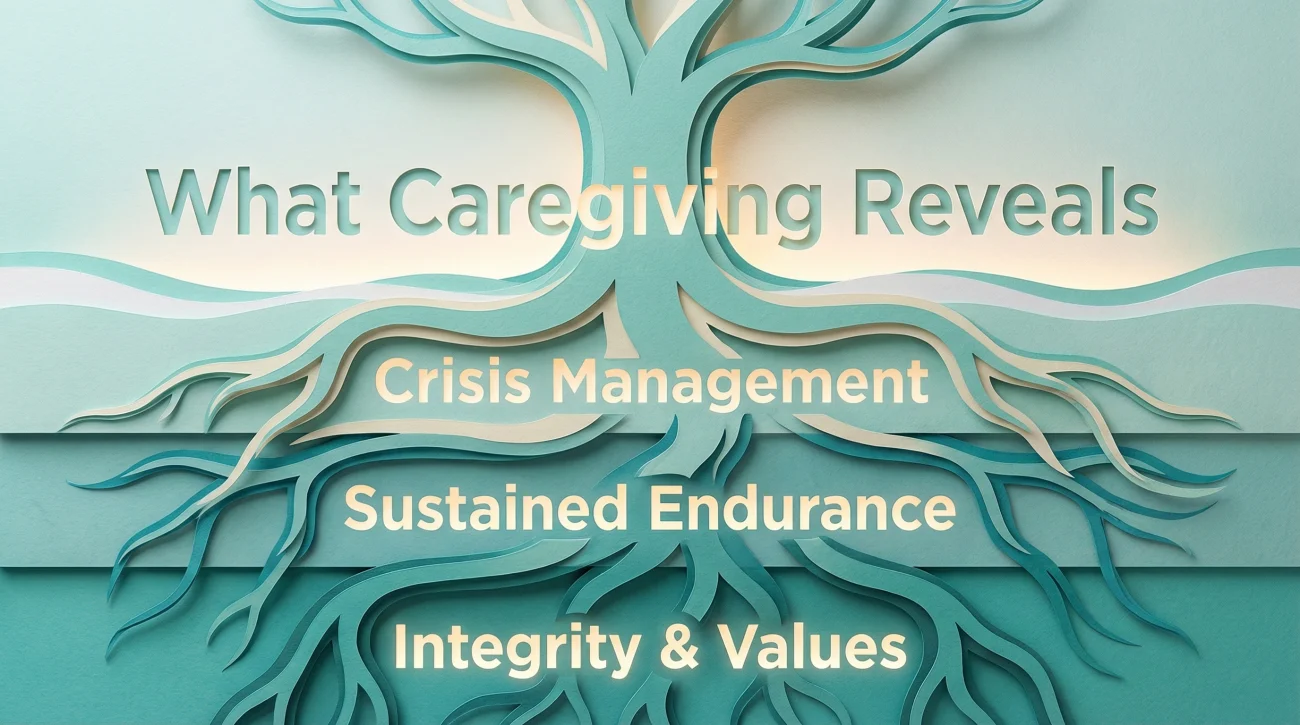
Crisis Management Under Sustained Pressure
Caregivers navigate medical systems that seem designed to confuse. Insurance bureaucracies that deny claims arbitrarily. Treatment decisions where experts disagree. Daily logistics that would overwhelm most project managers. And you did this not for a quarter or a product launch, but potentially for years, without breaks, without weekends off, without the option to resign.
Managing a family health crisis requires exactly the kind of rapid problem-solving, composure under pressure, and stakeholder coordination that high-stakes professional roles demand. You’ve been tested in ways that most of your competition hasn’t.
Sustained Endurance Without Recognition
Professional work usually offers feedback loops: reviews, promotions, recognition, compensation increases. Caregiving offers none of these. You show up day after day, often for months or years, with no external validation that you’re doing well. The only reward is knowing the person you love is cared for.
That sustained commitment without external motivation demonstrates stamina and intrinsic drive that sporadic professional achievements can’t match. You know how to persist when the only reason to continue is that it matters.
Values Demonstrated in Action
Anyone can claim to value family during an interview. Caregivers have proof. You stepped away from career advancement, income growth, and professional recognition to care for someone who needed you. That decision represents integrity between stated values and actual behavior when the cost is real.
Employers need people they can trust. Trust comes from demonstrated character, not claimed character. Your caregiving history demonstrates that when something matters, you’re the person who shows up.
| Caregiving Experience | Professional Translation |
|---|---|
| Coordinating medical appointments across providers | Complex stakeholder management and scheduling |
| Navigating insurance denials and appeals | Working within bureaucratic systems, persistence |
| Making treatment decisions with incomplete information | Decision-making under uncertainty and pressure |
| Managing family dynamics during crisis | Conflict resolution and emotional intelligence |
| Maintaining composure during emergencies | Grace under pressure, crisis response |
| Advocating for someone who couldn’t advocate for themselves | Communication skills, assertiveness, persistence |
Crafting Your Explanation
Balance honesty about your situation with appropriate professional boundaries. You don’t need to turn the interview into a therapy session, but you also don’t need to hide what happened.

Keep Context Brief and Dignified
One or two sentences establish the situation without requiring detailed personal disclosure or emotional processing in front of a stranger.
I took time away from my career to care for my father during a serious illness.
I stepped back from work to serve as primary caregiver for a family member with significant health needs.
Either version provides sufficient context. You don’t need to name the specific illness, describe the daily caregiving tasks, or explain the family dynamics that led to you being the one who provided care. The interviewer knows what caregiving involves. Trust them to understand without requiring details.
Indicate Clear Resolution
Help the interviewer understand that the caregiving situation is resolved and won’t interfere with your professional commitment. The resolution might take different forms depending on your circumstances.
“He passed away last spring, and I’ve taken time to settle family matters and prepare to return to professional work.”
“She’s now in a care facility that can provide what she needs, so I’m able to return to full-time employment.”
“His condition stabilized, and we’ve established a care routine with professional support that doesn’t require my full-time involvement.”
Each version confirms that the chapter is complete. The interviewer needs to know they won’t be hiring someone whose caregiving responsibilities might pull them away again.
Confirm Readiness and Commitment
End with clear commitment to your career return. Whatever happened is behind you. Your focus is entirely forward.
“I’m ready to bring my full energy and attention to my career again. This role particularly interests me because it aligns with the direction I want to take professionally.”
This closing pivots the conversation away from the past and toward your future contribution. Don’t linger on caregiving longer than necessary.
Managing Emotional Weight
Caregiving often involves grief. You may have lost someone you loved. Or you may be grieving the person they used to be, even if they’re still alive. Or you may carry exhaustion and trauma from years of sustained difficulty. That emotional weight may still be present even as you try to return to professional life.
Practice Until You Have Control
Rehearse your caregiving explanation until you can deliver it without becoming visibly emotional. This isn’t about suppressing feelings or pretending they don’t exist. It’s about professional presentation in a context where emotional breakdown serves no one.
Practice with a friend who can give honest feedback. Record yourself and watch the playback. Repeat until the words feel routine rather than charged. You’re not processing grief in the interview. You’re reporting facts about your career history.
Maintain Professional Distance
Brief, factual statements protect both you and the interviewer from uncomfortable moments. The interviewer didn’t sign up to be your counselor, and you didn’t come to process trauma. Keep the exchange professional.
If you feel emotion rising, pause briefly, take a breath, and continue with your prepared language. A brief pause is far better than breaking down or oversharing in an attempt to explain why you’re emotional.
Redirect to Professional Qualifications
After addressing the gap, deliberately move conversation toward your professional capabilities. The gap is one element of your story, not the defining feature of this interview.
“That experience is behind me now, and I’m excited to discuss how my background in project management could contribute to your team.”
For broader guidance on presenting your complete background, visit our self-introduction framework.
Common Questions and How to Handle Them
“That’s a long time away. Are you sure you’re ready to come back?”
This question probes your commitment and self-awareness. Address it directly with confidence.
“Yes, I’m certain. I’ve had time to process the caregiving experience and prepare for return. I’ve updated my skills through recent coursework and I’m genuinely eager to apply my capabilities in a professional setting again. The break was necessary then. Returning to work is right for now.”
“What if something similar happens again?”
Don’t speculate about hypotheticals you can’t predict. Focus on current reality.
“I can’t predict the future, but the situation that required my caregiving is fully resolved. I’m committed to my career and my responsibilities to any employer I work with. If future circumstances arise, I’ll address them then, but right now I’m fully available and focused.”
“How have you kept your skills current?”
This is a fair question after extended gaps. Be prepared with specific answers.
“During caregiving, I did what I could to stay connected. I completed an online certification in data analytics, read industry publications regularly, and maintained my professional network. In the months since caregiving ended, I’ve intensified that effort with additional coursework and informational interviews in my field.”
❓ FAQ
🎯 How much detail should I share about the person I cared for?
Minimal detail is usually best. “I cared for an ill family member” or “I served as primary caregiver for my parent” explains the gap without requiring specifics about diagnosis, treatment, or outcome. Share more only if you choose to, not because you feel obligated.
💼 What if the person I cared for died?
You can mention this briefly if it helps explain resolution. “My father passed away last year, and I’ve taken time to settle his affairs before returning to work” is complete and dignified. You don’t need to discuss the death in detail or your grief process.
⏰ Does caregiving count as experience I can put on my resume?
It demonstrates skills and character even if it doesn’t appear in traditional employment format. Some candidates list caregiving on resumes with transferable skills noted. Whether to include it depends on the role, your comfort level, and how you can frame the professional relevance.
📋 What if I might need to provide care again in the future?
Don’t speculate about future possibilities you can’t predict with certainty. Focus on current readiness and commitment. If future caregiving needs arise, you’ll address them then. Don’t disqualify yourself from opportunities based on hypothetical situations.
✨ How do I show I’m not still actively grieving in ways that affect work?
Demonstrate forward focus through your energy and enthusiasm about returning to work. Discuss your career plans and interest in the role with genuine engagement. Your tone signals as much as your words. If you’re not ready to be back at work, the interview will reveal that. If you are ready, your readiness will show.
Responsibility as Proof of Character
Explaining how to explain a caregiving gap in an interview successfully means presenting a difficult life chapter as evidence of the character traits employers most need: empathy, resilience, sustained commitment, and the ability to function under pressure. Provide brief context to establish what happened. Confirm resolution clearly so employers know the chapter is complete. Demonstrate forward focus and genuine readiness to contribute again. The empathy and resilience that caregiving demanded are exactly the qualities that make people invaluable in professional environments. You didn’t just survive that experience. You demonstrated who you are when it matters most.
⚠️ Disclaimer: The interview strategies, sample answers, and negotiation tips provided in this guide are for educational purposes only. Hiring decisions are subjective and vary by company and industry. While these strategies are based on professional HR standards, they do not guarantee a specific job offer or result.