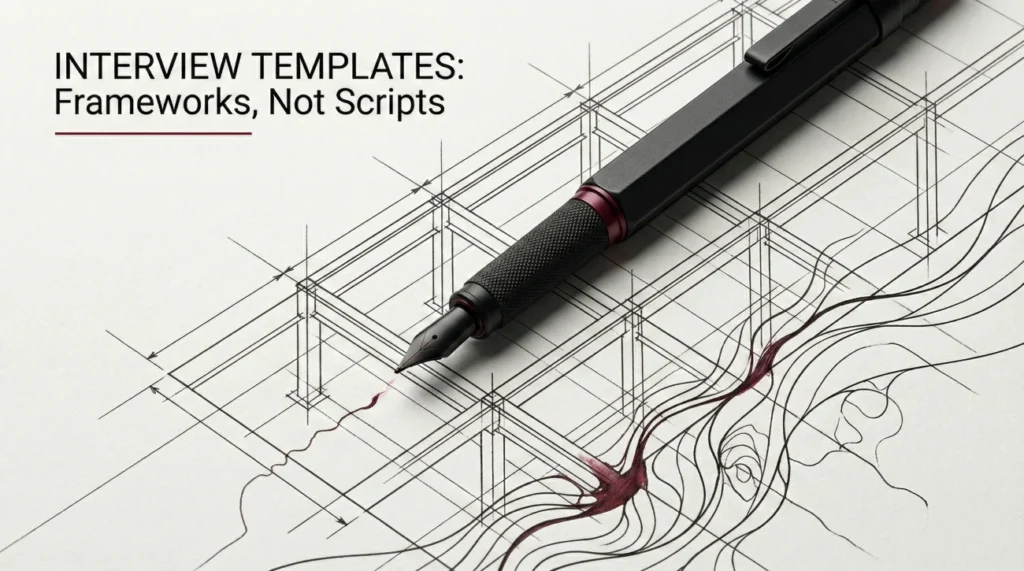
- Why Templates Fail: People memorize scripts and sound wooden, the fix is treating templates as flexible frameworks that guide structure while keeping your voice.
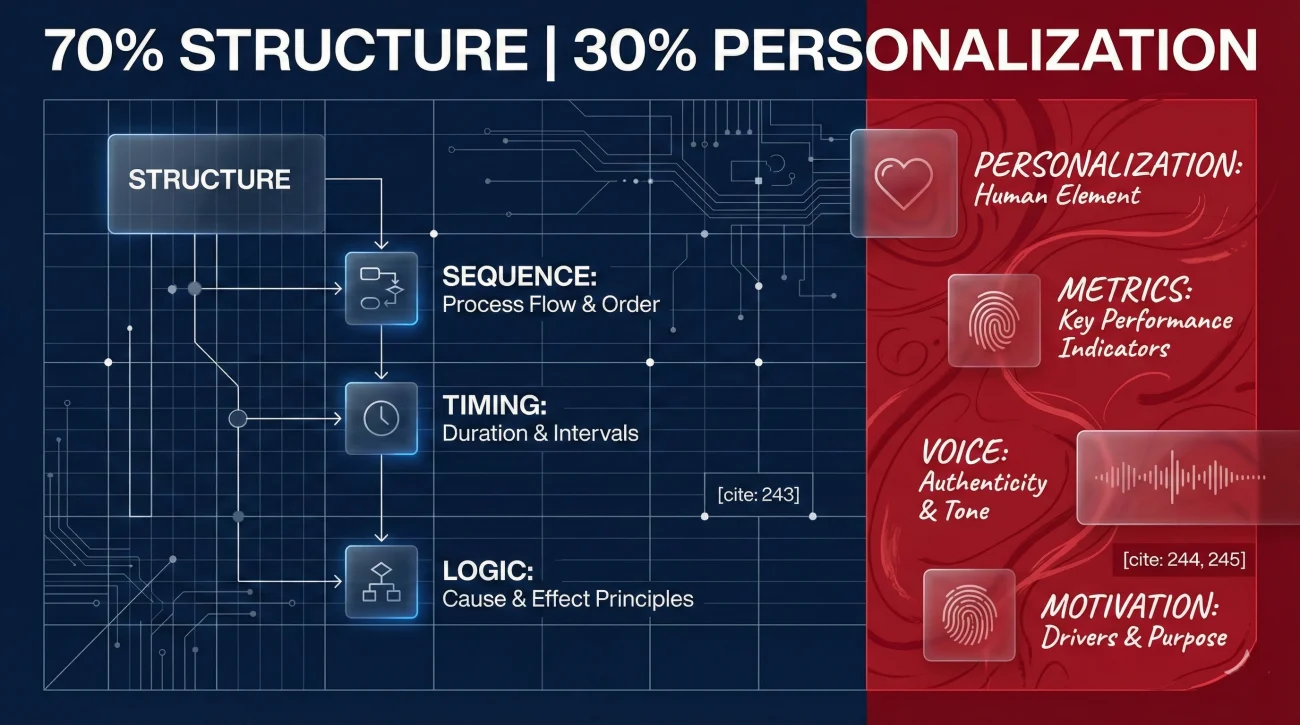
- The 70/30 Rule: Keep 70% proven structure for flow and pacing, use 30% for real specifics like metrics, company context, and natural phrasing.
- Internalize Not Memorize: Practice the same framework multiple times with different wording, build your own transition phrases, and rehearse across phone, video, and in-person settings.
- Customize Strategically: Keep core strengths and story stable, change which examples and emphasis you use based on role type and what the company values.
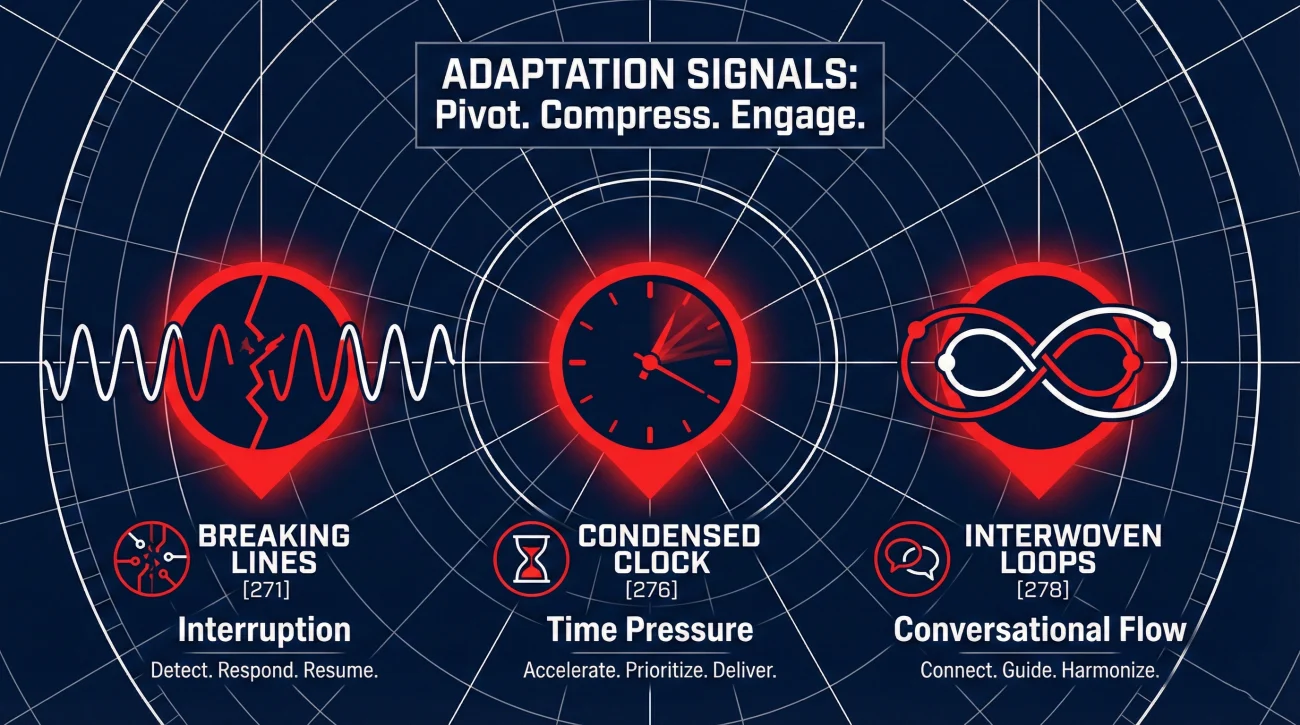
- Know When To Drop The Script: If interrupted, answer directly, compress fast when time is short, and follow the conversation when it turns into a real back-and-forth.
Why Templates Get a Bad Reputation
Interview templates suffer from association with wooden delivery and generic responses that sound like they came from corporate training videos. Understanding how to use interview templates effectively requires recognizing the real problem isn’t templates themselves – it’s how people misuse them through word-for-word memorization instead of strategic adaptation. Templates become valuable tools when treated as flexible frameworks guiding content organization rather than rigid scripts requiring exact recitation.
Most candidates make critical mistakes with templates: memorizing precise phrasing that feels unnatural when spoken aloud, failing to customize examples with actual experiences, or rigidly following frameworks even when interview dynamics suggest different approaches. Strong template usage balances proven structure with authentic voice, ensuring answers hit strategic points while sounding conversational. When exploring broader tell me about yourself preparation, the difference between candidates who sound rehearsed versus naturally confident comes down to internalization techniques that transform templates from constraints into enablers.
The 70/30 Framework Balance
Understanding interview template personalization centers on allocating 70% of mental energy to maintaining proven structure while dedicating 30% to authentic details and natural phrasing that reflect your actual experience and speaking style.
70% Structure: The Framework Foundation
This includes component order, essential elements within each section, time allocation guidelines, and strategic positioning that makes answers compelling. Structure prevents common mistakes like burying key qualifications mid-answer, rambling without clear direction, or ending weakly without connecting back to role requirements.
- 📊 Component sequence: Which elements come first, middle, last
- ⏱️ Time budgets: Approximate duration per section to maintain pacing
- 🎯 Essential elements: What information must appear in each part
- 🔗 Logical flow: How sections connect to create cohesive narrative
💡 Pro tip: Write out the framework skeleton before adding details. List only section headers and key points – no full sentences. This forces you to internalize structure separately from specific wording, preventing robotic recitation while ensuring you hit strategic elements.
30% Personalization: Your Authentic Voice
This includes specific company names, actual metrics from real achievements, genuine reasons for career decisions, conversational transitions matching your natural speech patterns, and strategic emphasis based on particular role requirements. Generic placeholders waste this valuable personalization budget.
| Template Placeholder | Weak Personalization | Strong Personalization |
|---|---|---|
| [Company Name] | “A major tech company” | “Salesforce’s enterprise SaaS division” |
| [Achievement] | “Successfully completed project” | “Reduced customer churn 23% through redesigned onboarding” |
| [Skill] | “Strong communication abilities” | “Translating technical architecture for non-technical stakeholders” |
| [Motivation] | “Interested in growth opportunities” | “Drawn to your AI ethics initiative after reading the whitepaper” |
Moving from Memorization to Internalization
Understanding natural interview answers requires transitioning from conscious template following to instinctive framework application where structure guides without constraining what you say.
Practice Through Repetition with Variation
Deliver your template answer five times using completely different wording each iteration while maintaining the same structural flow. This forces genuine internalization rather than surface memorization. If you can’t vary phrasing significantly across deliveries, you haven’t truly internalized the framework yet.
Expert advice: Record video of yourself delivering template answers multiple times. Watch with sound off first – does your body language look natural or like you’re reciting memorized content? Then watch with sound – do transitions between sections feel smooth or abrupt? This dual analysis reveals delivery issues text review misses.
Building Natural Transition Phrases
Templates often feel robotic at section boundaries where framework shifts feel jarring. Develop personal collection of conversational bridges that smooth transitions while maintaining structural integrity. These phrases should match your natural speaking patterns rather than formal written language.
- “What really drew me to this industry…” (transitioning to motivation)
- “Looking back at my experience…” (moving into background)
- “The project that stands out most…” (highlighting key achievement)
- “That background shaped how I approach…” (connecting past to present)
Practicing Across Different Scenarios
Rehearse your templates in various contexts – formal settings, casual conversations, phone versus video versus in-person delivery. This builds flexibility so frameworks adapt naturally to different interview dynamics rather than requiring rigid recitation regardless of situation.
Strategic Template Customization
Understanding customizing interview templates requires knowing what elements adapt based on specific opportunities versus what components remain consistent across different interviews.
Elements That Stay Consistent
Core competencies, major achievements, fundamental career trajectory, and overarching professional values remain stable regardless of specific roles. These form your reliable foundation that doesn’t require reinvention for each opportunity.
Don’t create completely new templates for every interview. This wastes mental energy and increases fumbling risk. Instead, maintain consistent core while adjusting emphasis and examples strategically.
Elements That Require Adaptation
Which achievements you emphasize, how you describe transferable skills, specific examples illustrating capabilities, and connection between your background and particular role requirements all adapt based on job descriptions and company priorities.
| Interview Type | Template Adjustments |
|---|---|
| Technical role | Emphasize specific technologies, problem-solving approach, technical depth |
| Leadership position | Focus on team development, strategic vision, measurable organizational impact |
| Creative field | Storytelling emphasis, process philosophy, portfolio highlights |
| Startup environment | Adaptability examples, scrappy problem-solving, comfort with ambiguity |
| Enterprise company | Cross-functional collaboration, process improvement, scalability thinking |
Integrating Company Research
Strong personalization weaves specific knowledge about target companies into template frameworks. This demonstrates genuine interest while keeping answers focused on your qualifications. Reference actual company initiatives, values, or challenges you’ve researched rather than generic industry observations.
Natural Delivery Techniques
Understanding authentic interview responses requires mastering delivery elements that make templated content feel spontaneous and conversational rather than rehearsed and stiff.
Using Vocal Variety Strategically
Monotone delivery signals memorized recitation regardless of content quality. Natural speakers vary pace, pitch, and volume based on content importance and emotional weight. Speed up through background context everyone understands, slow down emphasizing critical achievements, raise energy discussing exciting projects.
Expert advice: Record yourself reading template answers like you’re reading a textbook – deliberately monotone and flat. Then record delivering the same content conversationally as if explaining to a friend. Listen to both recordings. The second should have significantly more vocal variation, natural pauses, and energy fluctuations. If they sound similar, your conversational delivery needs more authenticity.
Matching Body Language to Content
Physical stillness makes even naturally delivered answers seem rehearsed. Natural speakers use hand gestures emphasizing key points, facial expressions matching emotional content, and posture shifts maintaining engagement. These non-verbal elements shouldn’t be scripted but should emerge authentically from what you’re discussing.
Strategic Pausing and Thinking Moments
Perfect fluency without pauses feels unnatural because actual conversations include brief thinking moments. Strategic pauses before important points build anticipation while preventing rushed delivery that sounds memorized. Slight hesitations when “searching” for right words paradoxically increase perceived authenticity.
- ⏸️ Before key points: Brief pause builds emphasis
- 🤔 Mid-explanation: Slight hesitation feels thoughtful not rehearsed
- 💭 Between sections: Momentary transition creates natural flow
Knowing When to Abandon Templates
Strong template users recognize when frameworks help versus when they hinder, adjusting or abandoning templates based on interview dynamics rather than forcing prepared content regardless of context.
Handling Interviewer Interruptions
If interviewers interrupt with specific questions, stop your template immediately and address their inquiry directly. Trying to finish prepared answers after interruption signals you care more about recitation than conversation. Answer their question, then ask whether they’d like you to continue or have other areas they want to explore.
💡 Pro tip: Treat interruptions as success signals – you’ve said something interesting enough to trigger questions. This validates your content even if delivery didn’t follow your planned template exactly. Engaged interviewers interrupt because they want deeper exploration, not because they’re bored.
Adapting to Time Pressure
When interviewers signal time constraints – “we only have a few minutes” or “can you give me the quick version” – compress templates ruthlessly. Strip to absolute essentials: current expertise, one standout achievement, clear connection to role. Trying to squeeze full two-minute templates into 30-second windows makes you seem tone-deaf.
Following Natural Conversation Flow
Sometimes interview dynamics make templates inappropriate. If conversation becomes exploratory dialogue where interviewers ask follow-up questions after each point, abandon rigid template structure and engage conversationally. Strong candidates read room dynamics and adjust accordingly.
Common Template Usage Mistakes
Recognizing these patterns helps avoid pitfalls that undermine otherwise solid template preparation.
Word-for-Word Memorization
Memorizing exact phrasing creates delivery that sounds like you’re reading invisible teleprompter. Instead, memorize framework and key points while letting actual words vary naturally across deliveries. Your brain should know what comes next structurally without predetermining precise language.
Don’t practice templates by reading them silently or repeating identical phrasing. This ingrains specific wording rather than flexible structure. Practice out loud using different words each time while maintaining same organizational flow.
Ignoring Non-Verbal Feedback
If interviewers look confused, impatient, or disengaged during your templated answer, adjust immediately rather than powering through to completion. Strong communicators read audience reactions and modify delivery – slowing down if people seem lost, accelerating if they appear impatient, providing examples if confusion shows.
Over-Reliance on Templates
Templates should prepare you for common scenarios, not create dependency where you freeze without frameworks. Build comfort discussing your background conversationally beyond specific template structures. If asked unexpected questions without matching templates, focus on clear honest responses rather than panicking about missing frameworks.
❓ FAQ
🎯 How do I know if I’m using templates naturally versus robotically?
Record yourself delivering template answers and watch as if evaluating someone else. Does the delivery sound conversational like explaining to friends or rehearsed like reading scripts? Ask trusted colleagues for honest feedback. If multiple people mention your answers sound “prepared” or “scripted,” you need more internalization practice before interviews. Natural usage means listeners can’t tell you’re following frameworks.
💼 Should I create different templates for phone versus video versus in-person?
Keep the same structural template but adjust delivery based on medium. Phone interviews need more vocal variety since body language doesn’t show. Video allows some gestures but requires camera awareness. In-person permits full physical expressiveness. The framework stays consistent; delivery techniques adapt to medium constraints while maintaining natural conversational tone.
⏰ What if I forget parts of my template mid-answer?
Keep going with what you remember rather than stopping awkwardly or restarting. Interviewers don’t know your template – they won’t notice “missing” elements. If you realize afterward you skipped important points, look for natural opportunities to weave them into later answers. Perfect template execution matters less than maintaining confident conversational flow.
📋 How much should I customize templates for each company?
Adjust the 30% personalization layer – specific examples emphasized, company research woven in, connection drawn between your background and their particular needs. The 70% framework stays consistent. This targeted customization shows preparation without requiring complete rewrites. Spend research time identifying which existing achievements and skills align best with specific opportunities.
✨ Can templates work for behavioral questions beyond introductions?
Absolutely. STAR framework (Situation-Task-Action-Result) templates work for most behavioral questions. Same principles apply – internalize structure without memorizing exact wording, personalize with specific examples, deliver conversationally. Templates become even more valuable for behavioral questions since they prevent rambling stories that lose focus or bury key points.
Final Thoughts
Mastering how to use interview templates requires recognizing they become valuable tools when treated as flexible frameworks rather than rigid scripts requiring verbatim recitation. The 70/30 rule balances proven structural elements with authentic personalization ensuring answers hit strategic points while sounding conversational. Framework provides component sequence, time allocation guidelines, and essential elements preventing common mistakes, while personalization layer includes specific achievements, natural phrasing, and genuine motivation matching your actual experience and speaking style.
Natural delivery emerges from internalization rather than memorization through repetition with variation, conversational transition phrases, and practice across different scenarios. Recording yourself delivering templates multiple times using different wording proves genuine internalization while preventing robotic recitation. Strong template users develop vocal variety, authentic body language, and strategic pausing that makes templated content feel spontaneous. They customize strategically by adjusting which achievements get emphasized and how skills connect to particular opportunities while maintaining consistent core framework.
Knowing when to abandon templates matters as much as using them effectively. Interruptions require immediate pivoting to address interviewer questions rather than forcing completion of prepared answers. Time constraints demand ruthless compression to essentials. Conversational dynamics sometimes make rigid template following inappropriate. Strong candidates read room feedback and adjust accordingly, recognizing templates serve them rather than vice versa. Templates provide preparation that builds confidence and structure without creating dependency – you know frameworks well enough to follow them flexibly or abandon them entirely based on what each unique interview situation actually requires.
⚠️ Disclaimer: The interview strategies, sample answers, and negotiation tips provided in this guide are for educational purposes only. Hiring decisions are subjective and vary by company and industry. While these strategies are based on professional HR standards, they do not guarantee a specific job offer or result.