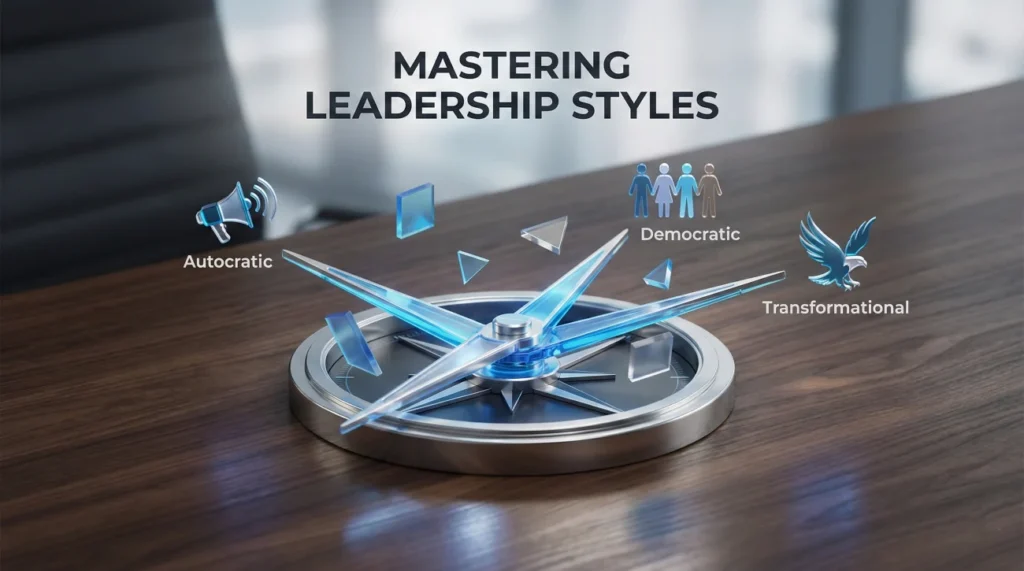
- Core idea: No single leadership style works everywhere, because effectiveness depends on urgency, risk, team maturity, and culture.
- Six foundation styles: Democratic builds buy-in but slows action, autocratic is fast in emergencies but hurts growth if overused, and the others (transformational, transactional, servant, laissez-faire) each fit specific conditions.
- Situational shift: Match your approach to readiness by combining competence and commitment, then adjust for task complexity from routine work to ambiguous problems.
- Context matters: Leadership fit changes by organization type and geography, so the same behavior can look decisive in one place and disrespectful in another.
- Interview takeaway: Describe your primary style, admit where it fails, and prove flexibility with one real example instead of claiming you are good at everything.
Why One Leadership Style Never Works Everywhere
The search for a single perfect leadership approach wastes energy better spent developing style flexibility. Understanding diverse leadership styles matters less than recognizing when each approach serves your team and organizational context most effectively. Leaders who rigidly apply one style regardless of situation create unnecessary friction, missed opportunities, and team dysfunction that adaptable leaders avoid entirely.
Research across thousands of organizations reveals that the most effective leaders maintain a primary style while developing capacity to shift approaches based on team maturity, urgency, risk tolerance, and cultural expectations. This adaptability separates leaders who scale their impact from those who plateau when their preferred style misaligns with organizational needs. Interviewers assess whether you understand this distinction by probing how you’ve adjusted your approach across different contexts rather than asking you to declare allegiance to single philosophy.
Foundational Leadership Approaches
Six core leadership styles provide foundation for understanding when different approaches generate optimal outcomes versus creating unnecessary problems.
Democratic Leadership
Democratic leaders involve team members in decision-making, seeking input before finalizing direction. This collaborative approach builds buy-in, develops team judgment, and generates diverse perspectives that improve decision quality. However, democratic leadership slows decision velocity and frustrates teams when urgent action requirements exceed available deliberation time. The approach works best with experienced teams tackling complex problems requiring multiple perspectives, but fails when crisis situations demand immediate decisive action.
Autocratic Leadership
Autocratic leaders make unilateral decisions with minimal input, then communicate directives expecting compliance. This approach accelerates decision-making, maintains clear accountability, and works effectively when leaders possess significantly greater expertise than team members. The style becomes problematic when overused – it stifles team development, creates dependency, and generates resentment that undermines long-term effectiveness. Crisis situations, highly inexperienced teams, or time-critical decisions often require autocratic approaches despite their developmental limitations.
| Leadership Style | Best Used When | Avoid When |
|---|---|---|
| Democratic | Complex problems, experienced teams, building buy-in | Crisis situations, tight deadlines, inexperienced teams |
| Autocratic | Emergencies, clear expertise gap, time pressure | Creative work, team development goals, engagement matters |
| Transformational | Change initiatives, vision alignment, innovation needed | Routine operations, short-term focus, risk-averse environments |
| Transactional | Clear performance metrics, routine work, compliance critical | Ambiguous goals, creativity required, intrinsic motivation needed |
| Servant | Development focus, team autonomy, long-term relationships | Performance crises, external stakeholder focus, fast decisions |
| Laissez-faire | Expert teams, creative work, minimal supervision needed | Inexperienced teams, coordination required, accountability unclear |
Transformational Leadership
Transformational leaders inspire teams toward compelling vision, emphasizing purpose over process and long-term impact over short-term metrics. This approach generates exceptional commitment during change initiatives, innovation pushes, or organizational transformations. The style requires significant leader charisma and vision clarity that not all situations or leaders possess. Overemphasis on transformation exhausts teams when applied to routine operations better served by transactional efficiency.
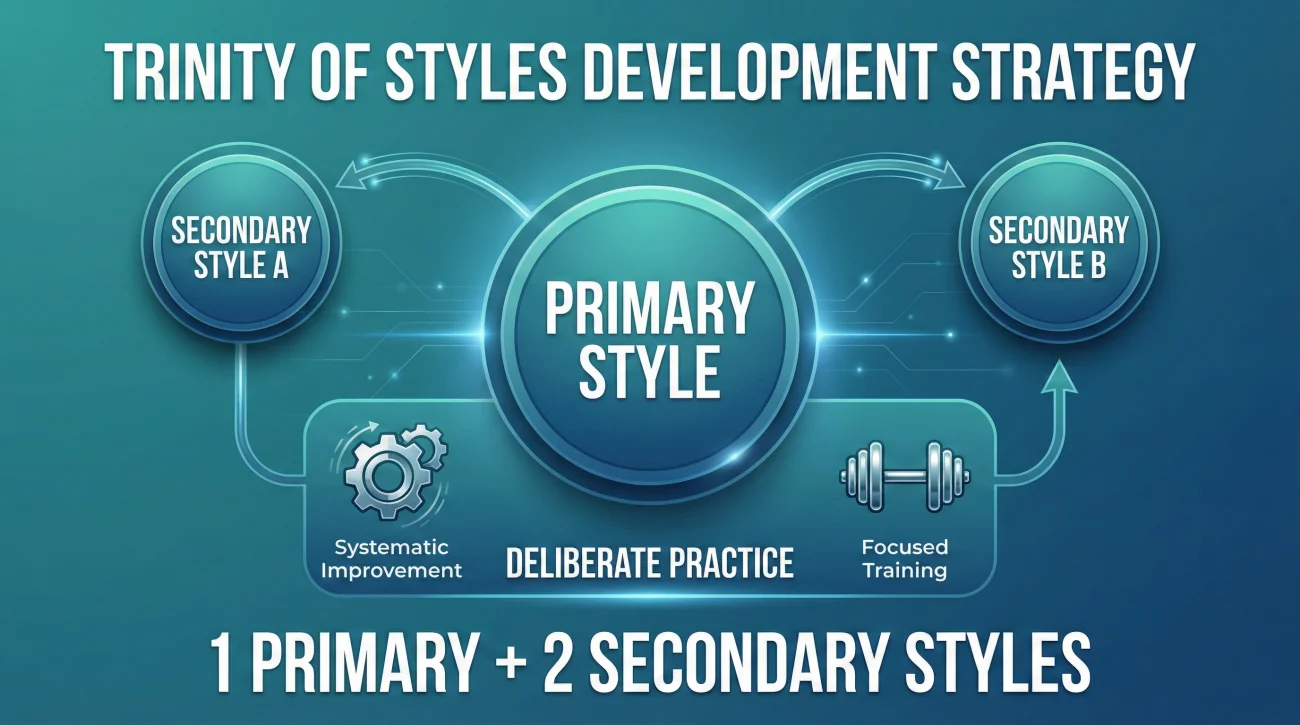
Expert advice: The most effective leaders develop one primary style while building competence in two complementary approaches they can deploy when situations demand different tactics.
Situational Leadership Framework
Adapting your approach based on team readiness and task complexity generates better outcomes than rigid style adherence. Understanding types of leadership styles enables strategic style selection rather than unconscious habit.
Assessing Team Readiness
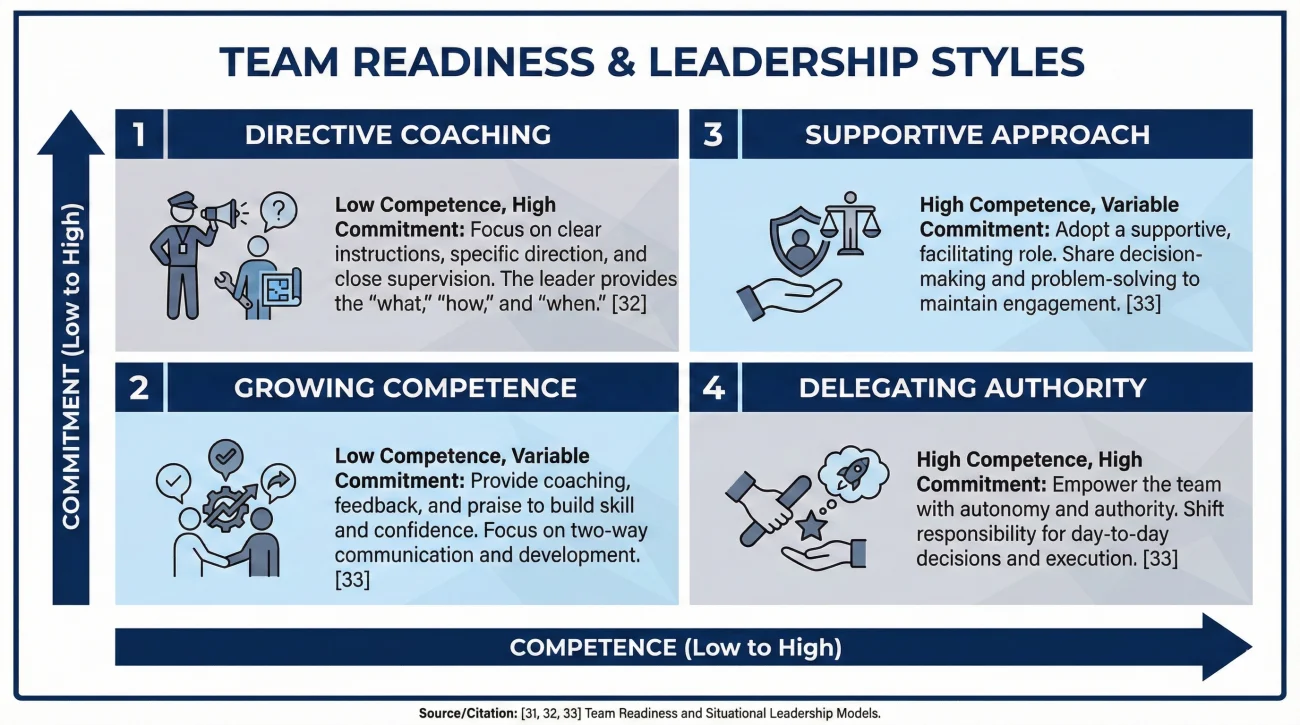
Team members fall along a readiness spectrum combining competence (can they do the work?) with commitment (will they do the work?). Low competence with high enthusiasm requires directive coaching. High competence with low commitment needs supportive delegation that rebuilds engagement. Matching leadership approach to readiness level prevents under-leading capable teams or over-directing those requiring autonomy.
- 📊 Low competence, high commitment: Directive coaching with clear instruction
- 🎯 Growing competence, variable commitment: Coaching with supportive feedback
- ⚡ High competence, variable commitment: Supportive approach building confidence
- ✅ High competence, high commitment: Delegating authority with minimal oversight
Matching Style to Task Complexity
Simple well-defined tasks tolerate directive leadership without stifling creativity. Complex ambiguous challenges require collaborative approaches that leverage diverse perspectives. Crisis situations demanding immediate action justify autocratic decisions that would damage engagement during routine operations. Effective leaders consciously match their leadership approaches to task requirements rather than defaulting to comfortable styles regardless of context.
💡 Pro tip: When interviewing, describe how you’ve shifted between styles for different situations rather than claiming expertise in all approaches – this authenticity demonstrates genuine understanding versus theoretical knowledge.
Cultural and Organizational Context
Leadership style effectiveness varies dramatically based on organizational culture, industry norms, and geographic context that many leaders underestimate.
Aligning with Organizational Culture
Consensus-driven organizations reject autocratic leadership even when situations might benefit from decisive action. Fast-moving startups become frustrated with democratic deliberation that slows decision velocity. Understanding effective leadership styles requires assessing whether your natural approach aligns with organizational values or whether you’ll need to adapt significantly. Misalignment between leadership style and culture creates constant friction that exhausts both leader and organization.
Geographic and Cultural Variations
High power distance cultures expect directive leadership that low power distance cultures interpret as disrespectful autocracy. Individualistic cultures respond well to transformational appeals while collectivist cultures prioritize group harmony over individual inspiration. Leaders operating across cultural contexts must develop style flexibility that accounts for these differences rather than assuming their home culture’s norms apply universally.
| Organizational Type | Preferred Leadership Approach | Rejected Styles |
|---|---|---|
| Early-stage startup | Transformational, autocratic for speed | Democratic deliberation, bureaucratic process |
| Established corporation | Transactional, democratic for buy-in | Disruptive transformation, laissez-faire |
| Creative agency | Servant, laissez-faire for autonomy | Autocratic control, rigid transactional |
| Healthcare/safety-critical | Autocratic for compliance, democratic for improvement | Laissez-faire, overly transformational |
Developing Leadership Style Flexibility
Building genuine style flexibility requires conscious practice rather than intellectual understanding alone. Most leaders default to one comfortable approach under pressure regardless of theoretical knowledge about alternatives.
Building Primary and Secondary Styles
Identify your natural leadership style through honest self-assessment or feedback from teams. This primary approach serves you well in many situations but creates blindspots when overused. Develop two complementary secondary styles that address your primary style’s limitations. Directive leaders should build democratic consultation skills. Democratic leaders benefit from developing decisive autocratic capacity for crises. This trinity of styles – one primary, two secondary – provides flexibility without spreading development energy across too many approaches.
Deliberate Practice Opportunities
Style development requires intentional practice in low-stakes situations before high-pressure application. If you’re naturally directive, force yourself to solicit input on decisions you could make independently. If you default to consensus-seeking, practice making unilateral calls on minor issues to build decisive muscle. Understanding the situational leadership framework intellectually differs from executing style shifts under pressure – practice builds the automaticity that knowledge alone cannot create.
Avoid claiming equal comfort with all leadership styles during interviews – this signals superficial understanding rather than genuine flexibility.
Discussing Leadership Style in Interviews
Interview responses about leadership style should demonstrate self-awareness and adaptability rather than textbook knowledge.
Providing Authentic Style Examples
Strong answers describe your primary approach with specific examples, acknowledge its limitations in certain contexts, then illustrate how you’ve adapted for different situations. This pattern demonstrates genuine style understanding versus reciting theory. Avoid claiming expertise across all styles – focus on honest assessment of where you excel, where you struggle, and how you’ve developed broader capabilities over time.
Articulating Your Development Journey
Discuss how your leadership style has evolved through experience, feedback, or deliberate development. This growth narrative signals learning orientation that static style descriptions cannot convey. Explain situations where your preferred approach failed, what you learned, and how those experiences expanded your style repertoire. This reflection demonstrates the self-awareness and adaptability that organizations value more than any single style expertise.
❓ FAQ
🎯 What if I don’t know my leadership style?
Reflect on how you naturally approach decisions, delegation, and team interaction. Ask trusted colleagues for honest feedback about your tendencies. Most leaders have clear patterns they recognize once they examine their actual behavior rather than aspirational self-image.
💼 Can I change my fundamental leadership style?
Your core approach remains relatively stable, but you can develop competence in complementary styles through deliberate practice. Focus on building 2-3 approaches you can deploy effectively rather than trying to master all styles.
⏰ How do I know which style to use when?
Assess three factors: team readiness (competence + commitment), task complexity (routine vs ambiguous), and urgency (time available for collaboration). Match your approach to these situational requirements rather than defaulting to comfortable patterns.
📋 Should I mention leadership style weaknesses in interviews?
Yes – acknowledge situations where your preferred style doesn’t serve you well, then explain how you’ve adapted. This self-awareness demonstrates maturity that claiming universal effectiveness cannot match.
✨ What’s the best leadership style overall?
No single style works best universally. Effectiveness depends on organizational culture, team maturity, task complexity, and situational urgency. The “best” leaders develop style flexibility rather than mastering one approach.
Final Thoughts
Leadership effectiveness comes from matching your approach to situational requirements rather than rigidly applying favorite techniques regardless of context. The most impactful leaders develop deep competence in their natural style while building capacity to shift approaches when circumstances demand different tactics. This flexibility separates leaders who scale across diverse challenges from those who plateau when their preferred style stops working.
Understanding diverse leadership styles provides framework for self-assessment and development rather than prescription for universal application. Your goal isn’t mastering every approach but rather building authentic comfort with 2-3 styles you can deploy based on team readiness, task complexity, and organizational culture. This focused development generates better outcomes than superficial familiarity across all approaches.
During interviews, demonstrate style self-awareness by honestly discussing your natural tendencies, acknowledging their limitations, and providing specific examples of how you’ve adapted for different situations. This authentic flexibility signals leadership maturity that theoretical knowledge or claimed expertise in all styles cannot match.
⚠️ Disclaimer: The interview strategies, sample answers, and negotiation tips provided in this guide are for educational purposes only. Hiring decisions are subjective and vary by company and industry. While these strategies are based on professional HR standards, they do not guarantee a specific job offer or result.