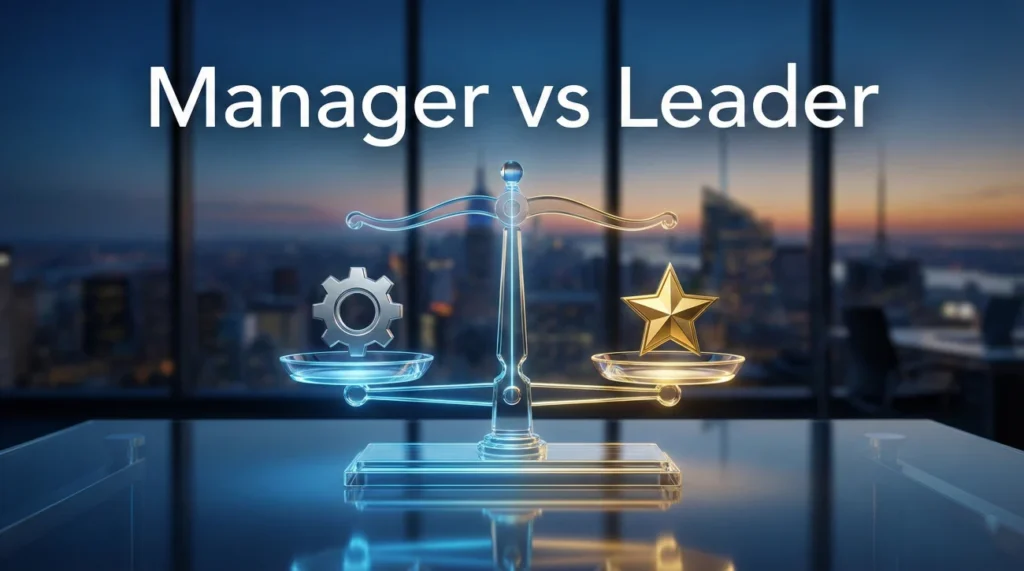
- Why The Distinction Matters: Organizations fail when they promote task managers into roles that require vision, influence, and inspiration, so knowing when to manage vs lead prevents role mismatch.
- Core Differences: Managers optimize tasks, processes, efficiency, and short-term execution while leaders focus on people, vision, change, and long-term direction with different success metrics.
- Control vs Influence: Management leans on positional authority for consistency and compliance while leadership relies on earned credibility to build commitment, especially during uncertainty or transformation.
- Why You Need Both: Stable periods reward management discipline and operational excellence, disruptive periods require leadership to drive adaptation, and most real work cycles need a blend of both.
- Interview And Growth Angle: Avoid claiming “leader not manager,” show situational examples of each, address common myths, and explain how you deliberately develop the side you naturally underuse.
Why the Distinction Matters More Than Ever
Organizations promote people who excel at managing tasks then wonder why they struggle to inspire teams. Understanding the manager vs leader distinction prevents this common mismatch by clarifying when situations demand process optimization versus people inspiration, compliance enforcement versus vision creation. The confusion stems from treating these roles as interchangeable when they require fundamentally different mindsets, skills, and organizational contributions.
The best performers develop capacity for both management and leadership, applying each approach strategically rather than defaulting to comfortable patterns. Pure managers optimize existing systems but resist necessary change. Pure leaders inspire transformation while neglecting operational excellence that sustains momentum. The most valuable organizational contributors recognize when to manage and when to lead, switching between roles based on team needs and business requirements rather than personal preference or job title expectations.
Fundamental Differences Between Managing and Leading
The difference between manager and leader emerges across multiple dimensions that reveal distinct organizational contributions and success metrics.
Focus Orientation
Managers focus on tasks, processes, and systems that deliver predictable outcomes through efficient execution. They optimize workflows, eliminate waste, and ensure consistent quality through standardization. Leaders focus on people, possibilities, and vision that inspire discretionary effort toward ambitious goals. They paint compelling futures, align diverse stakeholders, and energize teams to exceed what they believed possible. Neither focus proves universally superior – organizations need both operational excellence and aspirational direction.
| Dimension | Manager | Leader |
|---|---|---|
| Primary Focus | Tasks, processes, efficiency | People, vision, transformation |
| Time Orientation | Present execution, short-term results | Future possibilities, long-term direction |
| Change Approach | Stability, control, risk minimization | Innovation, disruption, calculated risk |
| Power Source | Position authority, formal control | Personal influence, earned credibility |
| Success Metric | Efficiency, consistency, compliance | Engagement, innovation, growth |
| Problem Solving | Optimize existing solutions | Question fundamental assumptions |
Control Versus Influence
Managers rely on positional authority to direct activities, enforce standards, and maintain control through hierarchical power. This approach works effectively for routine operations requiring consistency and compliance. Leaders rely on personal influence to inspire commitment, build coalitions, and create followership through earned credibility rather than assigned title. This influence becomes essential when navigating change, building culture, or motivating discretionary effort that formal authority cannot compel.
Expert advice: The most effective professionals master both management and leadership, deploying each approach based on situational requirements rather than assuming one approach serves all circumstances.
Why Organizations Need Both
Understanding management vs leadership reveals that these aren’t competing philosophies but complementary capabilities that organizations require in different proportions based on lifecycle stage and competitive context.
When Management Dominates
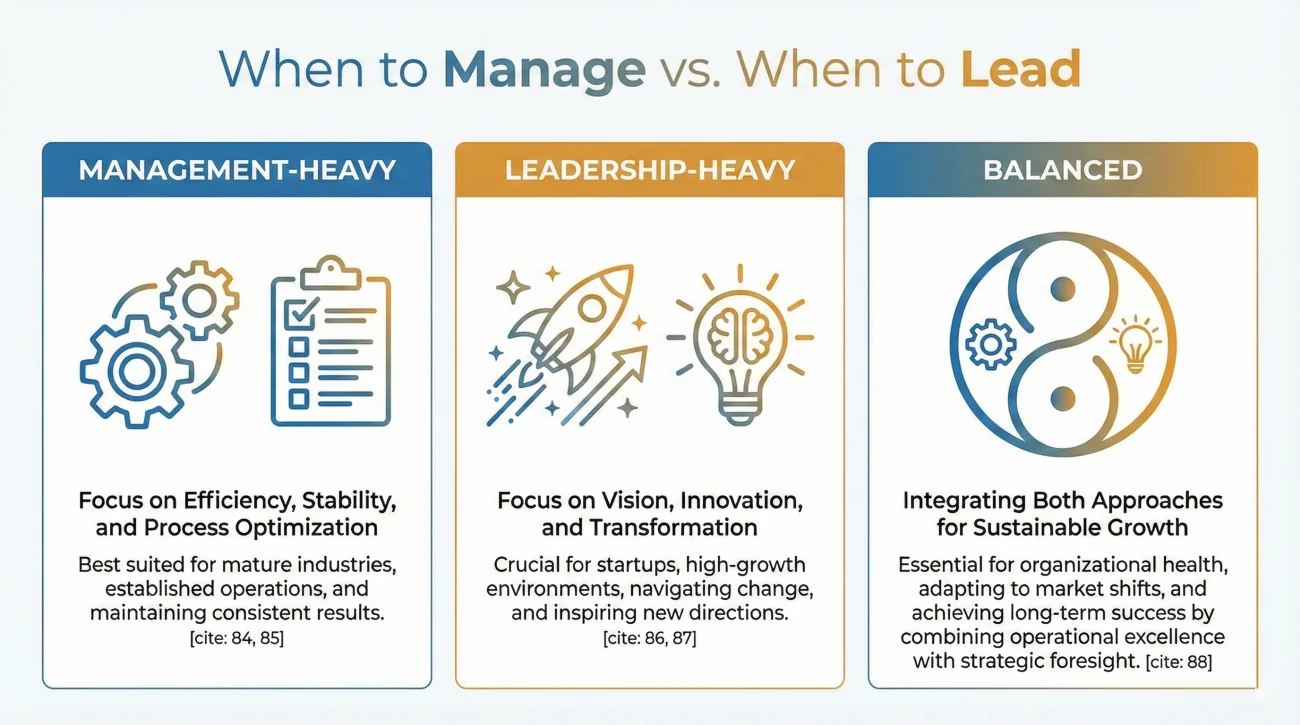
Mature stable organizations operating in predictable environments benefit from management emphasis on operational excellence, efficiency optimization, and risk mitigation. Process refinement, quality control, and cost reduction drive competitive advantage when innovation becomes less critical than execution consistency. Over-indexing on leadership during stability periods creates unnecessary disruption that undermines reliable value delivery customers expect.
When Leadership Dominates
Organizations facing disruption, pursuing transformation, or launching new ventures require leadership emphasis on vision, innovation, and change navigation. Inspiring teams through uncertainty, building coalitions for new directions, and energizing adaptation become more valuable than optimizing existing processes. Over-reliance on management during transformation periods creates analysis paralysis and change resistance that prevent necessary evolution.
- ⚙️ Management-heavy contexts: Mature industries, operational excellence, compliance-critical environments
- 🚀 Leadership-heavy contexts: Startups, turnarounds, disruptive innovation, culture change
- ⚖️ Balanced contexts: Growing organizations, competitive markets, evolving strategies
Balancing Both in Individual Roles
Most positions require both management and leadership in different proportions throughout cycles and situations. Project launches need leadership to align teams and inspire commitment. Execution phases need management to maintain schedules and quality standards. Crisis situations demand decisive management while recovery requires inspirational leadership that rebuilds confidence. Effective professionals develop both capabilities rather than declaring themselves “leaders not managers” or vice versa.
💡 Pro tip: During interviews, demonstrate understanding of both management and leadership by discussing specific situations where you’ve applied each approach strategically rather than claiming superiority of one over the other.
Common Misconceptions About the Distinction
Several persistent myths about leadership versus management create confusion that undermines both capability development and organizational effectiveness.
The Hierarchy Myth
Many assume leadership represents higher organizational level than management, creating artificial status distinction. In reality, both frontline supervisors and senior executives need management and leadership capabilities in different proportions. A team lead managing daily workflows requires management skills. A CEO inspiring organizational transformation requires leadership capabilities. Neither role proves inherently superior – they serve different organizational needs at every level.
The Title Myth
Job titles like “Manager” don’t prohibit leadership nor do “Leader” titles eliminate management responsibilities. Individual contributors often demonstrate profound leadership through influence, vision, and inspiration without formal authority. Vice Presidents spend significant time managing budgets, processes, and performance metrics despite leadership expectations. What you do matters more than what your title suggests you should do.
| Myth | Reality |
|---|---|
| Leaders are born, managers are made | Both skillsets develop through practice and feedback |
| Leadership is always better than management | Both serve essential organizational functions |
| Managers just execute, leaders think strategically | Both require strategic and tactical capabilities |
| You’re either a manager or a leader | Effective professionals develop both capabilities |
| Leadership only matters at senior levels | Leadership opportunities exist at every organizational level |
Don’t claim “I’m a leader, not a manager” during interviews – this signals misunderstanding of complementary nature rather than demonstrating leadership strength.
Developing Both Capabilities
Building genuine proficiency in both management and leadership requires understanding your natural strengths then deliberately developing complementary skills that balance your approach.
Identifying Your Natural Tendency
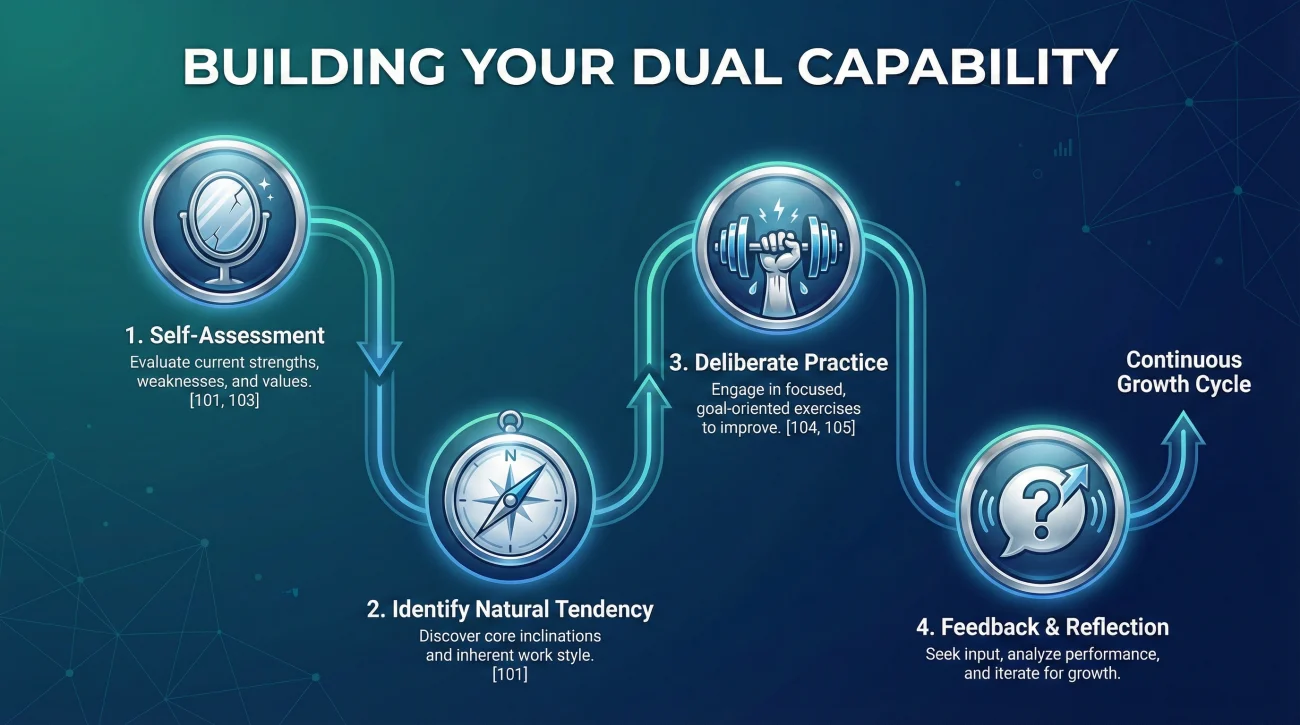
Most people gravitate toward either management or leadership based on personality, early experiences, and organizational reinforcement. Process-oriented individuals naturally optimize systems and maintain control. Vision-oriented individuals naturally inspire change and build followership. Neither tendency proves superior, but both create blindspots when overemphasized. Honest self-assessment reveals whether you default to managing or leading under pressure, indicating which complementary skills require conscious development.
Structured Development Approach
If you naturally manage, deliberately practice leadership by articulating compelling visions for projects, inspiring team commitment beyond compliance, and building influence through credibility rather than authority. If you naturally lead, deliberately practice management by optimizing processes, establishing control systems, and ensuring operational excellence alongside inspirational direction. This conscious practice in weaker areas builds capability that unconscious default patterns cannot develop.
- Seek feedback on when your management or leadership approach doesn’t serve situations well
- Study how colleagues who excel in your weaker area approach similar challenges
- Practice your less comfortable approach in low-stakes situations before high-pressure application
- Reflect on situations where balanced approach would have generated better outcomes
Discussing the Distinction in Interviews
Interview responses about the manager leader distinction should demonstrate sophisticated understanding rather than simplistic preference for one over the other.
Articulating Balanced Capability
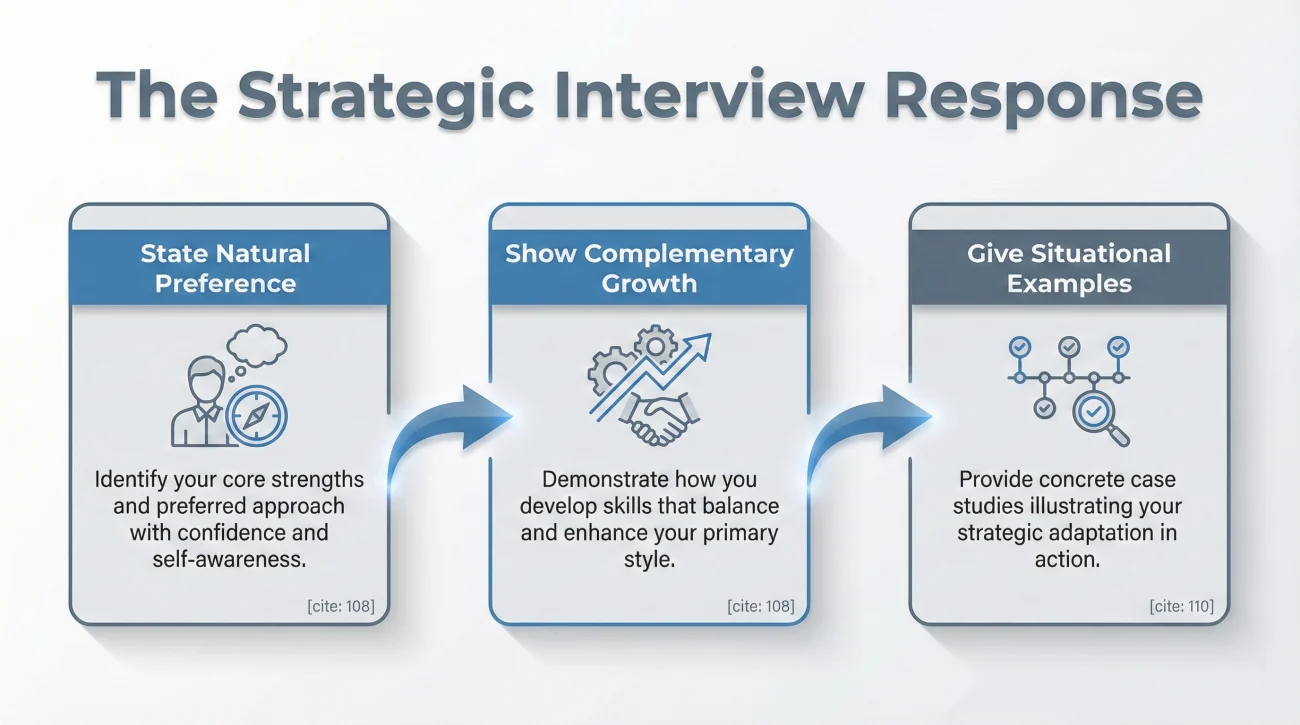
Strong answers acknowledge both management and leadership contributions, provide specific examples of each, and explain how you’ve navigated situations requiring different approaches. Avoid declaring yourself exclusively manager or leader – this signals limited understanding. Instead, describe your natural tendency, how you’ve developed complementary capabilities, and when you apply each approach strategically. This nuanced perspective demonstrates maturity that binary thinking cannot convey.
Providing Situational Examples
Prepare stories illustrating both management excellence (optimizing processes, ensuring quality, meeting deadlines through control) and leadership impact (inspiring change, building coalitions, energizing teams through vision). Explain the context that made each approach appropriate rather than suggesting one always proves superior. This situational wisdom reveals understanding that transcends textbook definitions.
Avoid disparaging management while praising leadership – this signals misunderstanding of complementary roles rather than demonstrating leadership sophistication.
❓ FAQ
🎯 Can someone be both a manager and a leader?
Yes, effective professionals develop both capabilities and deploy each based on situational requirements. Most roles require both management and leadership in different proportions throughout projects and organizational cycles.
💼 Is leadership always better than management?
No, both serve essential organizational functions. Stable operations need management excellence. Transformational periods need leadership. Most situations benefit from balanced application of both approaches.
⏰ How do I know when to manage versus lead?
Assess the situation: manage during routine execution requiring consistency, lead during change requiring inspiration. Manage when control ensures quality, lead when influence builds commitment. Most complex situations need both.
📋 Can you lead without formal authority?
Yes, leadership relies on influence and earned credibility rather than position authority. Individual contributors frequently demonstrate leadership through vision, inspiration, and coalition-building without managing anyone formally.
✨ Which should I develop first?
Build competence in your natural strength first, then develop complementary skills. If you manage naturally, add leadership capabilities. If you lead naturally, develop management discipline. Both matter for career advancement.
Final Thoughts
Organizations need both management excellence and leadership inspiration to sustain success across changing circumstances. The professionals who advance furthest develop genuine capability in both domains rather than declaring allegiance to one approach while dismissing the other as inferior. Management without leadership creates efficient execution of wrong strategies. Leadership without management creates inspiring visions that fail through poor execution.
Understanding the manager vs leader distinction clarifies when each approach serves organizational needs most effectively rather than suggesting one universally dominates. Your career trajectory depends on building both capabilities, recognizing your natural tendencies, and deliberately developing complementary skills that balance your approach. The most valuable contributors apply management and leadership strategically based on situational requirements rather than defaulting to comfortable patterns regardless of context.
During interviews and throughout your career, demonstrate sophisticated understanding by discussing both management and leadership examples, acknowledging when each approach proves most effective, and articulating how you’ve developed balanced capabilities that allow strategic deployment of both skillsets based on team needs and organizational requirements.
⚠️ Disclaimer: The interview strategies, sample answers, and negotiation tips provided in this guide are for educational purposes only. Hiring decisions are subjective and vary by company and industry. While these strategies are based on professional HR standards, they do not guarantee a specific job offer or result.