
The No That Keeps Doors Open
Industries are smaller than they appear. The recruiter you reject today might fill your dream role next year. The hiring manager whose offer you decline could become your boss at a different company in five years. I’ve watched careers intersect in ways nobody predicted.
Declining job offer situations are relationship tests disguised as administrative tasks. How you say no reveals your professionalism more clearly than how you said yes during interviews.
A few years ago, a candidate declined our offer with such grace that when a senior position opened eighteen months later, she was the first person I called. She got that job. Her original rejection had left me thinking highly of her rather than feeling burned.
That’s the goal: leave people thinking well of you even when the answer is no.
When to Decline
The moment you know your answer is no, communicate it. Delay serves nobody.
Every day you hold an offer you don’t intend to accept is a day the company could be moving forward with their second choice candidate. That second choice might accept another position while waiting. When you finally decline, they’re left scrambling to restart a search that should have been advancing.
I understand the temptation to wait. Maybe the other opportunity will fall through. Maybe you’ll change your mind. But holding an offer as “insurance” while pursuing something else isn’t strategic. It’s inconsiderate, and it creates exactly the kind of reputation you want to avoid.
Expert Advice: If you’re ninety percent certain you’ll decline, act on that certainty. The remaining ten percent almost never materializes into acceptance, but the delay always damages how people perceive you.
What If You Already Accepted?
Backing out after acceptance is significantly more damaging than declining initially. But sometimes circumstances change dramatically: a family emergency, a health issue, an opportunity you genuinely couldn’t have anticipated.
If you must withdraw after accepting, do it immediately and take full responsibility. Don’t make excuses. Acknowledge that this puts them in a difficult position. Offer whatever transition assistance makes sense, even if that’s just sharing the news as early as possible so they can move quickly.
The relationship will likely be damaged regardless, but owning your decision directly minimizes that damage.
Phone Call or Email?
The right channel for how to turn down a job offer depends on the relationship you’ve built.

When a Phone Call Is Right
If you interviewed with the hiring manager multiple times, built genuine rapport, or they invested significant personal effort in recruiting you, a phone call shows respect. It’s harder than email, which is exactly why it matters.
The call doesn’t need to be long. You’re delivering news, not negotiating. Thank them sincerely, explain briefly that you’ve decided to go in a different direction, express genuine appreciation for their time, and wish them well finding the right candidate. Two to three minutes is plenty.
When Email Is Appropriate
If your primary contact was a recruiter rather than the hiring manager, if the interview process was brief, or if you never developed a personal connection, email is perfectly acceptable. Many hiring managers actually prefer written declines because they don’t have to respond emotionally in real-time.
Even if you call first, follow up with a brief email confirming the conversation. This creates a record and gives them something to forward to colleagues who need to know.
Templates That Preserve Relationships
A decline offer email should be brief, gracious, and forward-looking. Here’s a structure that works:
Subject: Re: Offer for [Position Title]
Hi [Hiring Manager’s Name],
Thank you again for offering me the [Position] role at [Company]. I genuinely appreciate the time you and your team invested throughout the interview process.
After careful consideration, I’ve decided to pursue a different opportunity that aligns more closely with my current career direction.
This wasn’t an easy decision. I was impressed by [something specific and genuine: the team’s collaborative approach, the company’s mission, the innovative projects we discussed]. Under different circumstances, joining [Company] would be an exciting path.
I hope we have the opportunity to cross paths again professionally. Please don’t hesitate to reach out if there’s ever a chance to collaborate in the future.
Thank you again for your understanding.
Best regards,
[Your Name]
If you want more examples and phrasing options, see this guide on how to decline a job offer politely.
Why Each Element Matters
The opening gratitude is genuine, not performative. You’re thanking them for real effort they invested.
The reason is vague by design. “A different opportunity that aligns more closely with my current career direction” explains your decision without inviting argument or making anyone feel inferior.
The specific positive comment proves this isn’t a form letter. You actually paid attention during the process and found things to appreciate.
The forward-looking close keeps the door open. People remember how you left things.
What to Say and What to Avoid
When you reject job offer politely, word choice matters enormously. Some explanations preserve relationships. Others damage them needlessly.
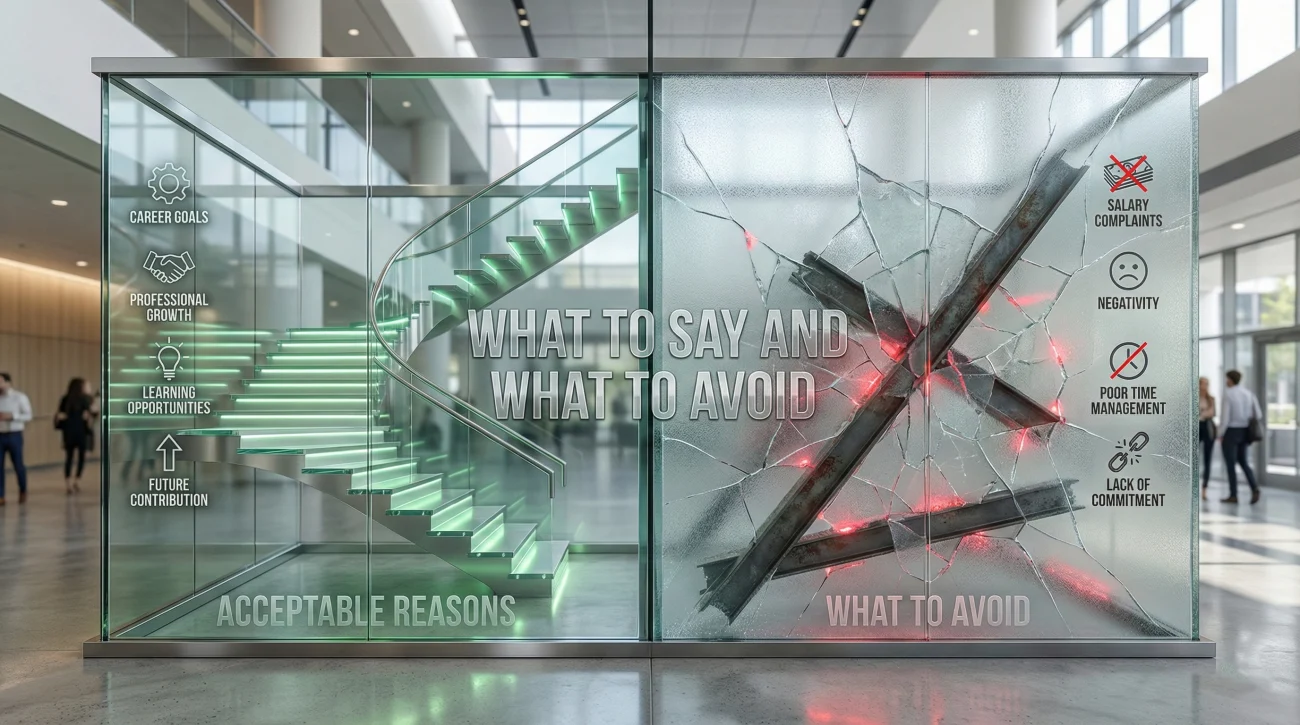
Acceptable Reasons to Share
- “Pursuing an opportunity more aligned with my long-term career goals”
- “Decided to accept a position closer to my family”
- “After reflection, I’ve chosen to stay with my current employer”
- “The timing isn’t right for this transition”
Notice what these have in common: they’re about your circumstances, not criticisms of the company or offer. They don’t invite debate or counter-offers.
What Never to Say
- 🚫 “Your offer was too low” invites a counter-offer you probably still won’t accept and makes money seem like your only consideration.
- 🚫 “I got a better offer elsewhere” rubs salt in wounds without adding value to anyone.
- 🚫 “The role wasn’t what I expected” implies their interview process was misleading, which they’ll take personally.
- 🚫 “I didn’t connect with the team” is honest but hurtful. Keep this to yourself.
Even when these are your true reasons, sharing them gains you nothing. The company can’t change most of these factors for you specifically, and detailed explanations often come across as justifications that make everyone uncomfortable.
The Positivity Principle
A career coach I know has a simple rule: every decline should include at least one specific, genuine positive observation about the company or process. Not empty flattery. Something real you noticed and appreciated.
“The cross-functional collaboration I saw during the panel interview was impressive. It’s clear your team has built something special.”
This costs you nothing and leaves people feeling good about an interaction that could have been purely negative.
Handling Counter-Offers
Sometimes your decline triggers a response you didn’t expect: they come back with improved terms.
Should You Consider It?
Only if your original reason for declining was genuinely about compensation and the counter-offer addresses that completely. If you’re declining because of role fit, culture concerns, location, or career direction, more money won’t solve those problems.
I’ve seen candidates accept counter-offers after declining, only to restart their job search six months later when the underlying issues remained. The money helped briefly, but the fundamental mismatch persisted.
Declining Again
If you’re certain of your decision, the second decline can be simpler and firmer:
“I really appreciate you trying to make this work, and the revised offer is generous. However, my decision isn’t primarily about compensation. I need to respectfully decline again. Thank you for understanding.”
Be gracious but clear. Extended back-and-forth negotiations after you’ve already declined become uncomfortable for everyone.
Real Scenarios
Your job rejection letter might need adjustment based on your specific situation.
Staying at Your Current Job
If you received a counter-offer from your current employer or simply decided the grass isn’t greener:
“After much consideration, I’ve decided to stay with my current employer. They’ve addressed some of the factors that initially prompted my search. I hope we can reconnect if circumstances change in the future.”
This is honest without oversharing. It doesn’t make anyone feel like they lost a bidding war.
Accepting a Different Offer
“I’ve decided to accept a position that’s a closer match for my specific background in [area]. This wasn’t a reflection of [Company]. Your team genuinely impressed me throughout the process.”
Framing your choice as “fit” rather than “better” respects their offer while explaining your decision.
Not Ready to Leave Current Role
“Through this process, I realized I’m not quite ready to leave my current role. There are projects I want to see through. I hope timing might align better in the future.”
This happens more often than people admit. The interview process clarified that staying put was actually the right choice. That’s a valid outcome.
For guidance on navigating complex career decisions and managing multiple opportunities, explore our career strategy resources.
After You Decline
Maintaining the Connection
Consider sending LinkedIn connection requests to people you interviewed with, if you haven’t already. A brief note like “It was great meeting you during the interview process. I hope we can stay connected” reinforces that you valued the relationship even though this particular opportunity wasn’t right.
If They Ask for Feedback
Some companies request feedback from candidates who decline. If asked, be constructive but kind. Focus on factors that were genuinely about fit rather than criticisms of their process or people.
You don’t have to provide feedback if you’re uncomfortable. A simple “I don’t have specific feedback, it was just a matter of fit with my career direction” is a perfectly acceptable response.
Keeping Doors Open
If you genuinely might be interested in working there someday, say so explicitly:
“I hope we can stay in touch. The team and mission genuinely impressed me, and I could see reconnecting if circumstances align differently in the future.”
People remember this. When positions open later, hiring managers often think first of candidates who declined gracefully and expressed continued interest.
❓ FAQ
🎯 Will declining hurt my chances if I apply there again?
Not if you decline gracefully. Many people return to companies they previously rejected and are welcomed back. What matters is how you handled the original decline. Graceful rejections are remembered positively.
💼 Should I give detailed feedback about why I’m declining?
Only if explicitly asked and you can be constructive. Unsolicited detailed feedback about their offer, process, or team helps no one and risks burning bridges. Keep it brief unless they specifically request more.
⏰ How quickly should I decline after receiving an offer?
As soon as you’re certain. If you know within a day that the answer is no, declining within 24 to 48 hours is appropriate and respectful of their time. Don’t sit on an offer you know you’ll refuse.
📋 What if I need to decline multiple offers?
Handle each one individually with personalized communication. Don’t use the exact same template for everyone. The companies don’t know about each other, but generic declines feel impersonal.
✨ Is it okay to decline without giving any reason?
Technically yes, but it’s better to offer something brief. “After careful consideration, I’ve decided to pursue a different direction” is vague but sufficient. Complete silence about your reasoning feels unnecessarily cold.
Final Thoughts
Declining job offer conversations reveal professionalism more clearly than almost any other career interaction. Anyone can be gracious when accepting good news. The test is how you handle saying no.
The people you’re declining may reappear in your professional life in unexpected ways. Industries consolidate. Colleagues change companies. Paths intersect years later at conferences, through mutual connections, or in interview rooms with reversed roles.
Decline with the same respect you’d want to receive. Your reputation for these moments travels further than you’d expect, and it follows you longer than you’d imagine.
⚠️ Disclaimer: The interview strategies, sample answers, and negotiation tips provided in this guide are for educational purposes only. Hiring decisions are subjective and vary by company and industry. While these strategies are based on professional HR standards, they do not guarantee a specific job offer or result.