Everyone Gets Nervous (Even Interviewers)
Let’s start with a truth that might surprise you: the person interviewing you is probably nervous too. Hiring the wrong candidate costs them time, reputation, and money. They want this conversation to go well almost as much as you do.
Understanding interview anxiety medication options and natural alternatives starts with accepting that nerves are normal. The goal isn’t eliminating anxiety completely. It’s managing it so it doesn’t manage you.
Expert Advice: A little nervousness sharpens your focus. The problem isn’t anxiety itself. It’s when anxiety overwhelms your ability to think and communicate clearly.
Body-Based Techniques That Actually Work
Your body and mind form a feedback loop. Change your physical state, and your mental state follows.
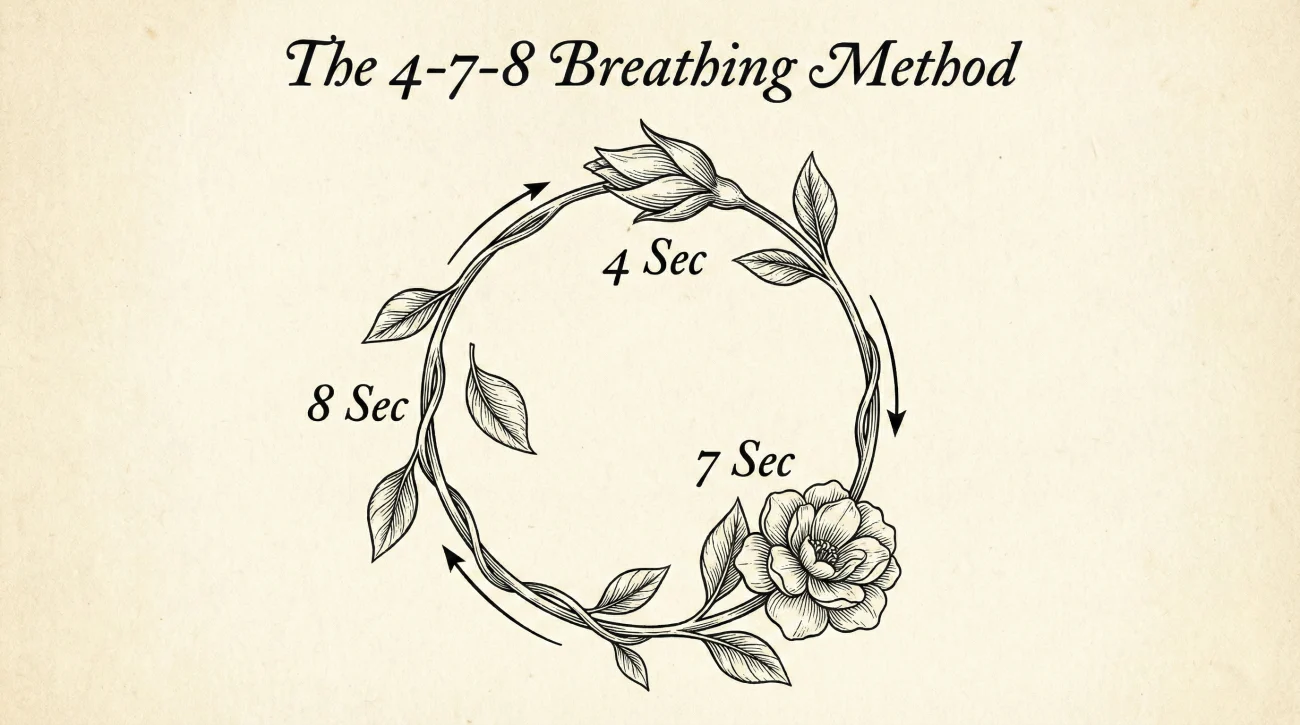
The 4-7-8 Breathing Method
Navy SEALs use this technique before high-pressure operations. It works.
- 🌬️ Inhale: Breathe in quietly through your nose for 4 seconds
- ⏸️ Hold: Hold your breath for 7 seconds
- 💨 Exhale: Exhale completely through your mouth for 8 seconds
- 🔄 Repeat: Complete 3-4 cycles
Do this in your car before walking in, or in the restroom if you arrive early. Three minutes can transform your physiological state from panic to calm alertness.
Power Posing
Research on this topic has been debated, but many professionals swear by it. Stand in a private space for two minutes with your hands on your hips, feet wide, chest expanded. The “Wonder Woman” pose. Whether it changes your hormones or just your mindset, practitioners report feeling more confident afterward.
“I felt ridiculous the first time I tried power posing in a bathroom stall before an interview. But I walked into that room differently. Something about taking up space physically made me take up more space mentally.”
Mental Reframing Strategies
Your interpretation of anxiety symptoms determines their impact.
The Excitement Reframe
Anxiety and excitement produce identical physical symptoms: racing heart, sweaty palms, heightened alertness. The only difference is the label you assign. Research shows that telling yourself “I’m excited” instead of “I’m nervous” actually improves performance.
Before your next interview, try saying aloud: “I’m excited about this opportunity.” Your brain believes what you tell it.
The Perspective Shift
Most candidates see interviews as tests they might fail. Shift your frame: it’s a conversation to determine mutual fit. You’re also evaluating them. Would you want to work here? Is this manager someone you’d learn from?
When you’re also assessing, you stop feeling like the only one being judged. The power dynamic balances.
💡 Pro Tip: Prepare three genuine questions about the role or culture. Having things you actually want to know shifts your mindset from “please like me” to “let’s see if this works.”
The Beta Blocker Question
Let’s address what some people are actually searching for: pharmaceutical options.
What Beta Blockers Do
Beta blockers like propranolol block adrenaline’s physical effects. Your heart doesn’t race. Your hands don’t shake. Your voice stays steady. Musicians and public speakers have used them for decades for performance anxiety.
They don’t affect your thinking or make you feel “drugged.” They simply prevent the physical symptoms that make anxiety visible.
Important Considerations
| Potential Benefits | Potential Concerns |
|---|---|
| Eliminates visible nervousness | Requires prescription |
| Doesn’t impair cognition | Side effects for some people |
| Works reliably when needed | Doesn’t address root cause |
| One-time use option | Medical conditions may prohibit use |
Warning: Never take beta blockers without consulting a doctor. They interact with other medications and are contraindicated for certain conditions like asthma.
Developing natural anxiety management through interview confidence building provides long-term skills that pharmaceutical aids cannot replace.
How Preparation Reduces Anxiety
Much interview anxiety stems from uncertainty. Reduce uncertainty, reduce anxiety.
Know Your Stories Cold
Prepare five stories that demonstrate key competencies. Practice them until they feel natural, not memorized. When you know what you’ll say to common questions, you spend less mental energy worrying about what might come up.
Research Removes Mystery
Study the company, the role, and the interviewer. Look at their LinkedIn. Read recent news. Understand their challenges. The more familiar the situation feels, the less threatening your brain perceives it to be.
Expert Advice: Anxiety thrives on the unknown. Every piece of information you gather before the interview is one less thing your worried mind can invent disaster scenarios about.
Day-of Strategies
What you do in the hours before matters.
Physical Preparation
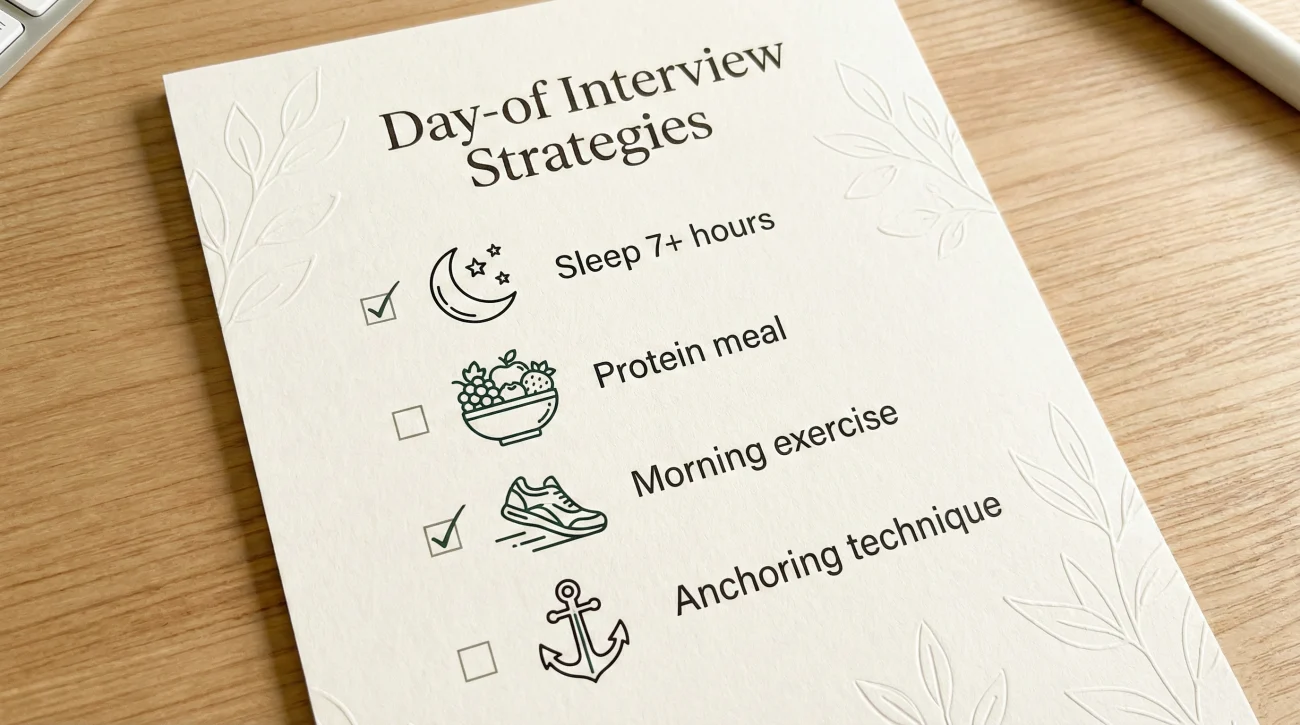
- Sleep at least seven hours the night before
- Eat a protein-rich meal two hours before (not right before)
- Limit caffeine if you’re sensitive
- Exercise in the morning to burn off excess adrenaline
- Arrive 15 minutes early to acclimate to the environment
The Anchoring Technique
Recall a moment when you felt genuinely confident and competent. Relive it in detail: what you saw, heard, felt. Some people press their thumb and finger together while doing this, creating a physical “anchor” they can trigger later when nervousness rises.
💡 Pro Tip: Have a pre-interview ritual. Whether it’s a specific playlist, a coffee order, or a short walk, consistency creates familiarity that counteracts the novelty-anxiety of interviews.
❓ FAQ
💊 Should I tell my doctor I want beta blockers for interviews?
Be honest about your situation. Doctors prescribe propranolol for performance anxiety regularly. They’ll assess whether it’s appropriate for you specifically based on your health history.
🧘 How far in advance should I start breathing exercises?
Practice daily for a week before important interviews so the technique feels natural. On interview day, do a session 10-15 minutes before you walk in.
😰 What if I have a panic attack during the interview?
Ask for a moment. “Excuse me, I’d like to take a second to gather my thoughts.” Breathe. Most interviewers will wait. If it’s severe and recurring, consider speaking with a mental health professional.
☕ Does caffeine help or hurt?
Depends on your tolerance. If you normally drink coffee, a modest amount maintains normalcy. If you’re caffeine-sensitive, it amplifies physical anxiety symptoms. Don’t experiment on interview day.
🎯 How do I know if my anxiety is too severe for self-management?
If anxiety significantly impacts your life outside interviews, prevents you from pursuing opportunities, or causes physical symptoms like vomiting, professional help provides better support than self-help techniques alone.
Final Thoughts
Managing interview anxiety medication questions and natural alternatives comes down to understanding your options and choosing what fits your situation. Most people can manage interview nerves with preparation, breathing techniques, and perspective shifts.
For those with more severe anxiety, pharmaceutical options exist and carry no shame. The goal is performing at your actual ability level. Whatever helps you do that, whether breathing exercises or beta blockers, is the right choice for you.
⚠️ Disclaimer: The interview strategies, sample answers, and negotiation tips provided in this guide are for educational purposes only. Hiring decisions are subjective and vary by company and industry. While these strategies are based on professional HR standards, they do not guarantee a specific job offer or result.