The Philosophy Behind the Question
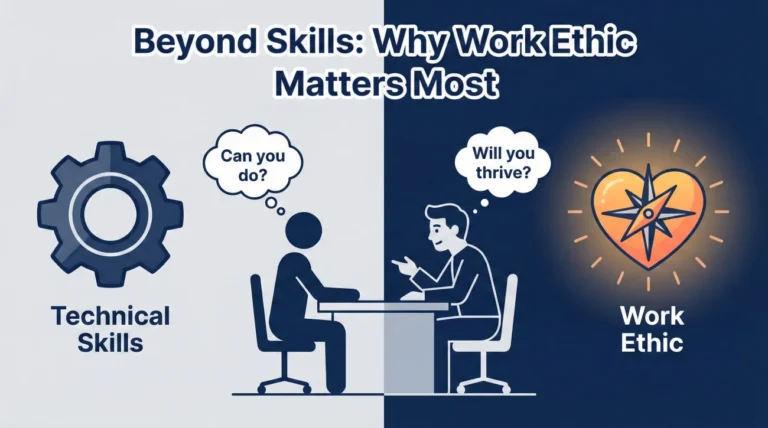
When interviewers ask you to define success, they’re probing something deeper than career ambitions. They want to understand your values, what drives you, and how you measure your own contribution. Your definition of success reveals whether you’re focused on personal achievement or broader impact, whether you value growth or status, and whether your priorities align with the organization’s.
This question also tests maturity. Early-career candidates often define success in terms of titles, compensation, or recognition. More experienced professionals typically define it in terms of impact, growth, and contribution. The evolution of your success definition often reflects your professional development.
A senior executive told me she uses this question specifically to identify candidates who will contribute rather than just advance. “People who define success as climbing the ladder often do whatever helps them climb, regardless of whether it helps the organization. People who define success as impact tend to create value everywhere they go. I want the second type.”
Dimensions of Professional Success
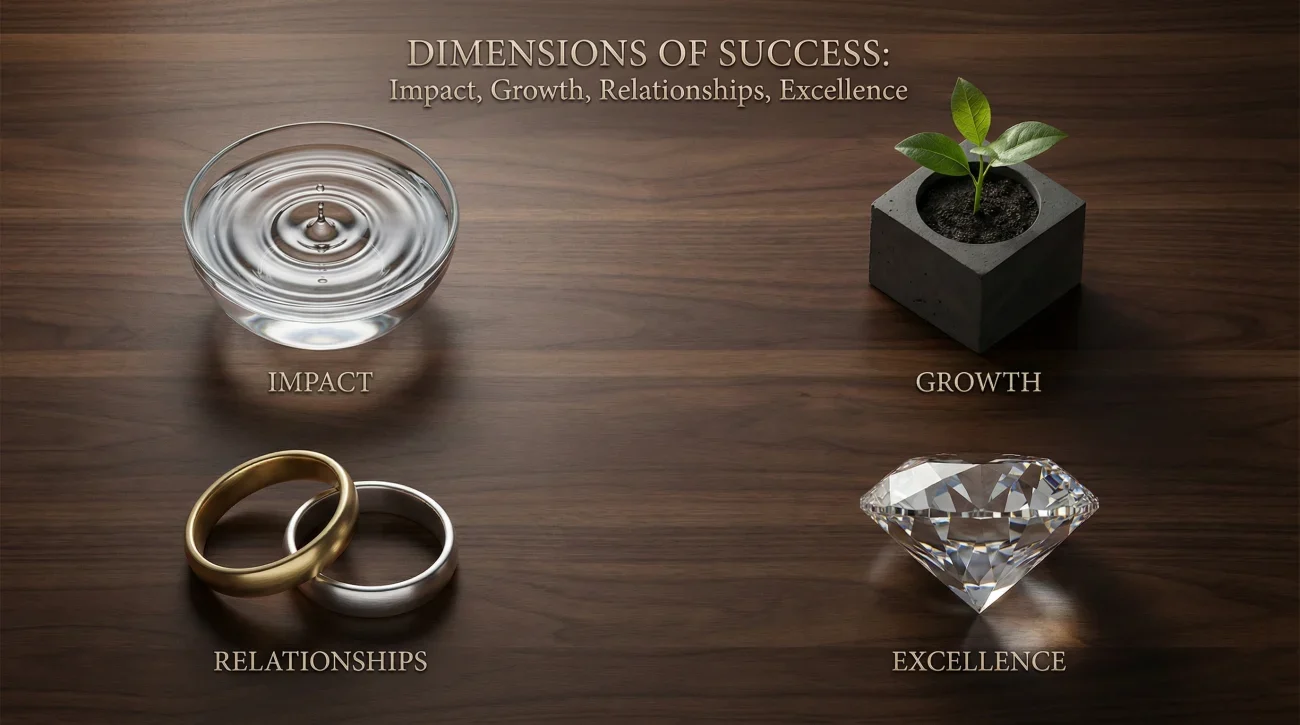
Success is multidimensional. Understanding different aspects helps you articulate a nuanced definition that reflects genuine reflection rather than a rehearsed answer.
Impact and Contribution
Many people define success by the difference they make. This might be impact on customers, colleagues, the organization, or society. Impact-focused success measures what you’ve enabled or created rather than what you’ve achieved personally.
This definition resonates with interviewers because organizations exist to create value. Someone focused on contribution tends to do work that matters, not just work that gets noticed.
Growth and Learning
Some define success as continuous development. Success means being more capable than you were last year, mastering new skills, expanding your understanding, and pushing beyond comfort zones. This definition focuses on trajectory rather than destination.
Growth-oriented success definitions appeal to interviewers because learners adapt better, take on new challenges willingly, and improve over time.
Relationships and Collaboration
Success can mean building strong professional relationships, earning respect from peers, developing others, and contributing to team success. This relational definition emphasizes how you work with others, not just what you produce individually.
Excellence and Mastery
Some define success as doing work at the highest level, becoming genuinely expert in their field, and producing quality that stands out. This craft orientation values depth over breadth, quality over quantity.
| Success Dimension | Focus | How Interviewers Perceive It |
|---|---|---|
| Impact | Difference made for others | Contribution-oriented, organization-aligned |
| Growth | Continuous improvement | Adaptable, committed to development |
| Relationships | Collaboration and trust | Team-oriented, good colleague |
| Excellence | Quality and mastery | High standards, craft focus |
| Advancement | Titles and progression | Ambitious, potentially self-focused |
Crafting Your Success Definition
Start With Genuine Reflection
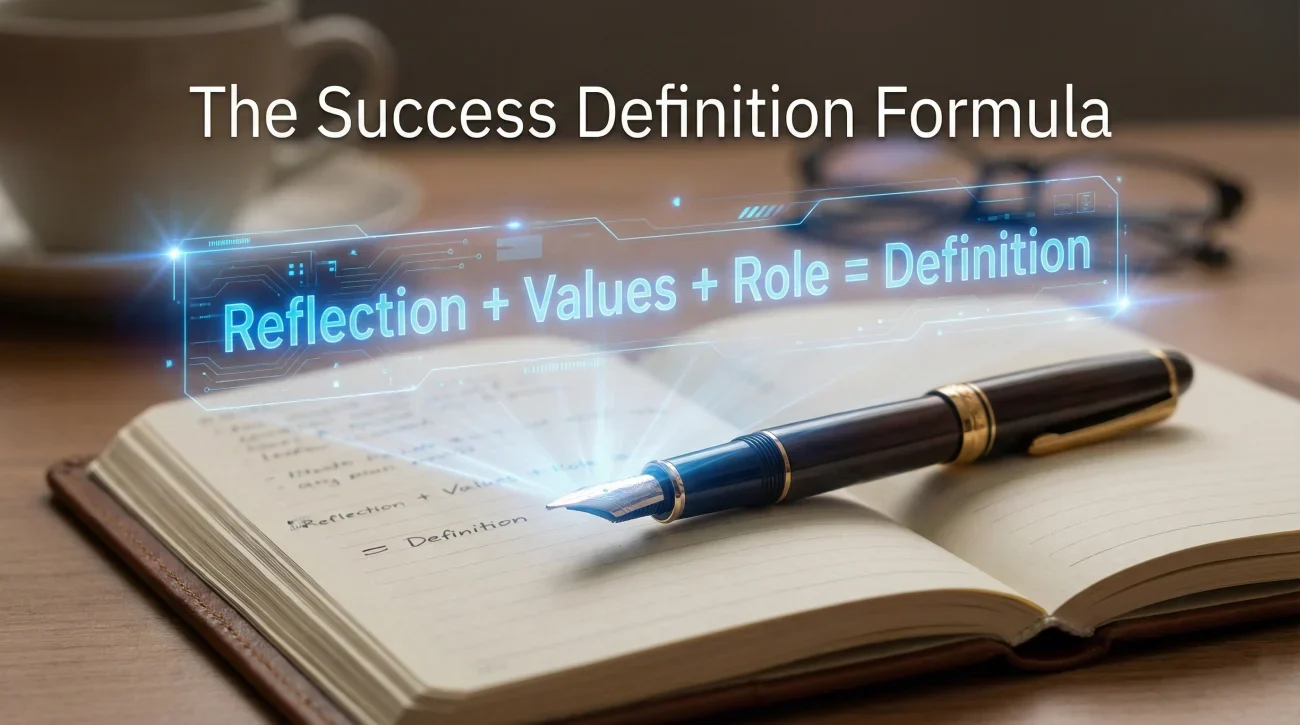
Before crafting an interview answer, genuinely think about what success means to you. Consider questions like:
- 🏆 Looking back: What accomplishments are you most proud of and why?
- 😔 Regret test: What would you regret not having done at the end of your career?
- 🌟 Role models: Who do you consider successful and what makes them so?
- 📊 Daily measure: How do you know if you’ve had a good day at work?
Your honest answers reveal patterns. Maybe you consistently feel successful when helping others grow. Perhaps your proudest moments involve solving hard problems. These patterns are your authentic success definition.
Move Beyond Status Markers
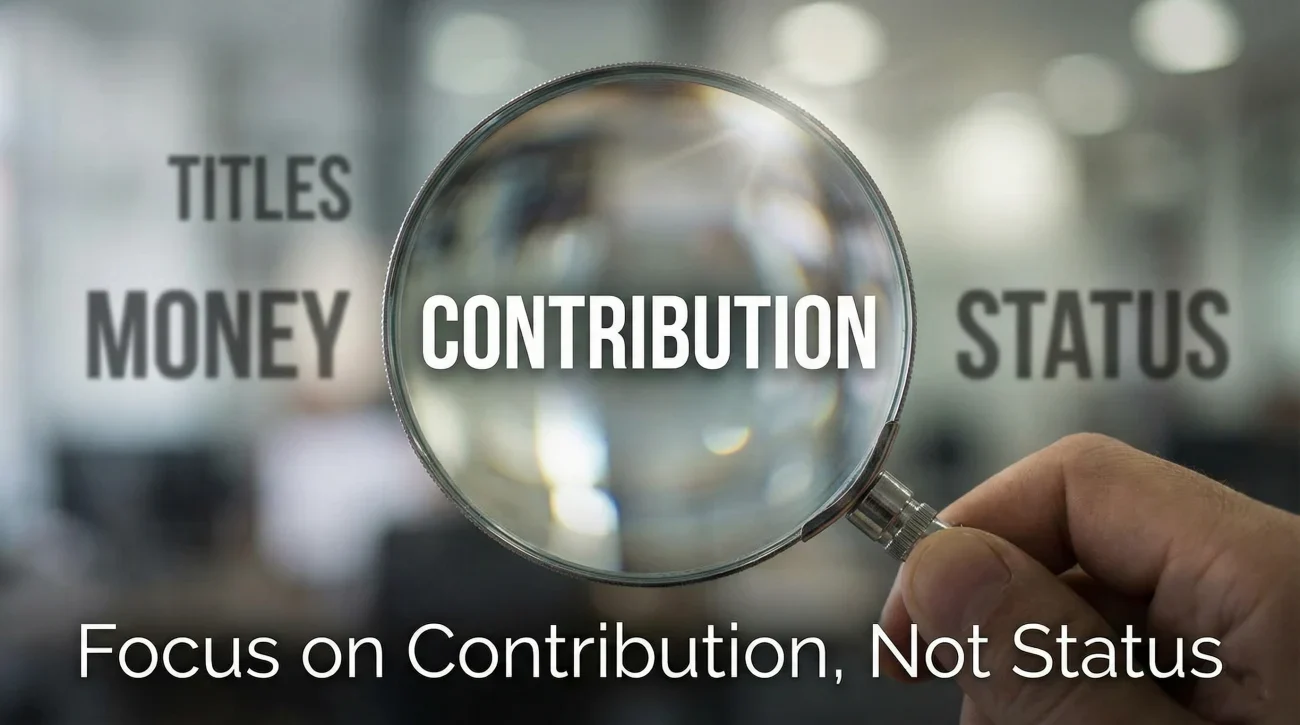
Titles, compensation, and promotions are outcomes of success, not definitions of it. While it’s fine to want advancement, defining success primarily in those terms suggests you’re focused on getting rather than giving.
Stronger definitions focus on what produces those outcomes: contribution, skill development, impact, relationships. The status markers often follow naturally when you’re genuinely successful by these measures.
Connect to the Role
Your success definition should relate to what you’d actually be doing in this position. If you’re interviewing for a customer success role, defining success in terms of customer impact makes obvious sense. If you’re interviewing for a technical role, excellence and mastery fit naturally. The connection shouldn’t feel forced, but it should be visible.
Sample Success Definitions
Impact Focused
“I define success by the impact I have on people and outcomes around me. At the end of each project, I ask myself: did this make a real difference for someone? Did customers benefit? Did the team or organization improve? If the answer is yes, I feel successful regardless of whether I received recognition.
The accomplishments I’m most proud of aren’t the ones where I achieved something personally impressive. They’re the ones where my contribution enabled something larger. When a team I led launched a product that genuinely helped customers, or when someone I mentored got promoted, those feel like real success to me.”
Growth Focused
“Success to me means continuous growth. I measure whether I’m more capable than I was six months ago, whether I’ve learned something new, whether I’ve pushed into uncomfortable territory and expanded my range. Staying static feels like failure even if everything looks fine externally.
This definition shapes how I approach my career. I actively seek challenges that stretch me, even when easier options exist. I’d rather struggle with something new and develop than coast on what I already know. The destination matters less than the trajectory.”
Combined Perspective
“I think of success as a combination of impact and growth. Impact means creating real value for customers, colleagues, and the organization. Growth means developing my capabilities so I can create even more impact in the future. The two reinforce each other.
Day to day, I feel successful when I’ve solved a meaningful problem, helped someone else succeed, or learned something that makes me more effective. Over longer periods, I measure success by whether my contribution has genuinely mattered and whether I’ve become more capable of making such contributions.”
For additional strategies on presenting your professional values, explore our interview preparation guide.
Definitions to Avoid or Reframe
Pure Financial Focus
“Success means making a lot of money.”
While financial security is legitimate, leading with money suggests you’ll prioritize personal gain over contribution. If compensation matters to you, reframe: “Success means creating enough value that I’m compensated fairly for my contribution.”
Title Obsession
“Success means becoming a VP by age forty.”
Title-focused definitions suggest you care more about status than impact. Reframe toward what that title represents: “Success means developing leadership capability and having organizational impact.”
Empty Generalities
“Success means being happy and fulfilled.”
These mean nothing specific. What makes you happy? What fulfills you? Get concrete about the actual conditions that create satisfaction.
Comparative Definitions
“Success means being better than my peers.”
Competition-based definitions suggest you need others to fail for you to succeed. Focus on absolute contribution rather than relative standing.
❓ FAQ
🎯 Is it okay to mention wanting advancement?
Yes, but frame it appropriately. “I want to grow into roles with greater responsibility and impact” is different from “I want a director title.” Connect advancement to the increased contribution it enables rather than the status it confers.
💼 How long should my answer be?
Aim for sixty to ninety seconds. State your definition clearly, briefly explain why you hold it, and perhaps give a quick example of what success has looked like for you. Be prepared for follow-up questions where you can elaborate.
⏰ Should I tailor my answer to the company?
Your core definition should be authentic, but you can emphasize aspects that align with the organization’s values. If they emphasize innovation, highlight the growth dimension. If they emphasize customer focus, emphasize impact on customers. Don’t fabricate alignment that doesn’t exist.
📋 What if my honest definition involves work-life balance?
Balance is legitimate but frames oddly in this context. You can mention sustainable success or long-term contribution, which implies balance without making it the central definition. Focus your stated definition on professional impact while living your values around balance.
✨ Does this question have a “right” answer?
Not a single right answer, but some answers are stronger than others. Definitions focused on impact, growth, and contribution tend to resonate better than those focused on status, money, or comparison. The best answer is authentic while demonstrating values that create organizational value.
Success Worth Measuring
When you define success in interviews, you reveal your values and priorities. Move beyond status markers like titles and compensation to articulate what genuinely matters to you: the impact you create, the growth you achieve, the relationships you build, the excellence you pursue. The strongest definitions connect personal fulfillment to organizational contribution, showing that your success and the organization’s success are aligned. When interviewers see someone whose definition of success involves creating value for others, they see someone worth investing in.
⚠️ Disclaimer: The interview strategies, sample answers, and negotiation tips provided in this guide are for educational purposes only. Hiring decisions are subjective and vary by company and industry. While these strategies are based on professional HR standards, they do not guarantee a specific job offer or result.