- Why Employers Ask These: Work ethic interview questions reveal whether you will stay consistent, adapt under pressure, and fit the culture, not just whether you can do the tasks.
- What They Probe: Motivation drivers, culture and environment fit, work style, values alignment, and reliability patterns across different roles and conditions.
- How To Answer Well: Use specific examples, connect values to visible behaviors, quantify outcomes, and add one insight that shows your work patterns are real and repeatable.
- What To Avoid: Generic “hardworking” claims, pretending to be a perfect culture match, leaning only on external rewards, and sounding negative about past employers or coworkers.
- Best Prep Method: Research the company’s real culture, identify your true motivation patterns, and build 5–7 stories that cover different work ethic dimensions so you can match any question naturally.
Why Employers Prioritize Work Ethic Assessment
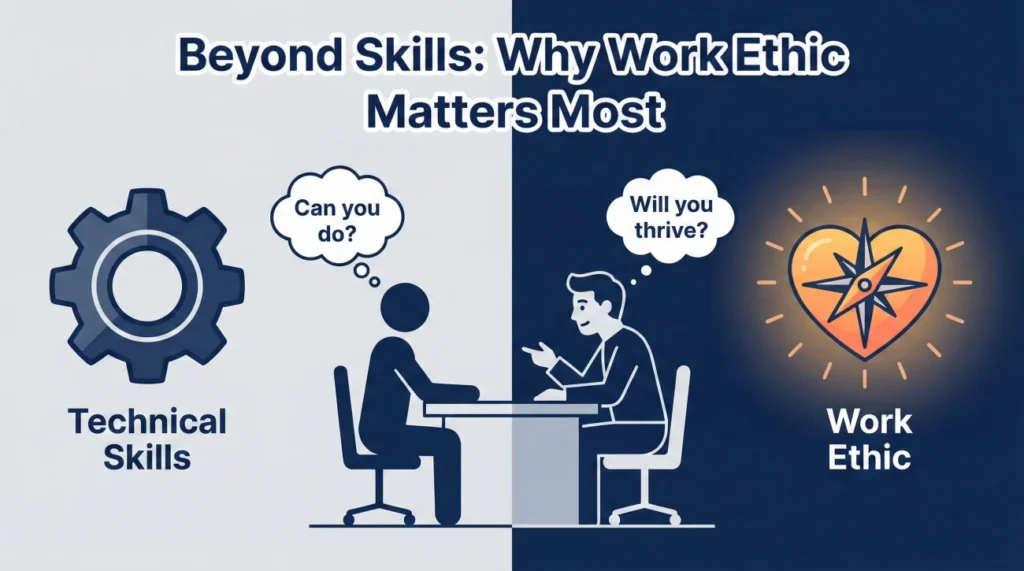
Technical skills determine whether candidates can perform tasks, but work ethic interview questions reveal whether they will perform consistently, adapt to challenges, and align with organizational culture. Employers know that hiring technically proficient individuals with poor motivation, unreliable habits, or incompatible work styles creates performance problems no amount of skill training can solve. Assessment shifts from “can you do this job” to “will you thrive doing this job in our environment.”
These questions probe deeper than surface-level enthusiasm by exploring intrinsic motivation sources, value alignment, work style preferences, and demonstrated reliability patterns from previous roles. Strong candidates recognize that work ethic questions deserve the same preparation rigor as technical assessments because culture misalignment and motivation gaps undermine even the most impressive credentials.
Core Work Ethic Question Categories
Understanding question types helps candidates prepare comprehensive responses that address evaluation priorities employers emphasize most.
Motivation and Drive Assessment
Questions exploring what energizes your work, how you maintain performance during difficult periods, and whether motivation sources align with the role’s reality. Employers distinguish between candidates driven by factors their organization can sustain versus those motivated by elements the role doesn’t provide. Authentic motivation analysis requires understanding your actual drivers rather than stating what sounds impressive but doesn’t reflect genuine patterns.
Cultural and Environmental Fit
Questions about preferred work environments, team dynamics, management styles, and organizational values probe whether your optimal conditions match what the company actually offers. Misalignment creates dissatisfaction regardless of compensation or title. Smart candidates research organizational culture thoroughly, then provide honest assessment of fit rather than claiming perfect alignment with every described environment.
| Question Category | What Employers Assess | Key Preparation |
|---|---|---|
| Motivation Sources | Intrinsic vs extrinsic drivers, sustainability of motivation | Identify actual patterns, not aspirational claims |
| Work Environment | Preferences alignment with company reality | Research actual culture, assess honest fit |
| Work Style | Independence needs, collaboration approach, pace preference | Examples from multiple roles showing consistency |
| Values Alignment | Integrity, reliability, commitment to excellence | Stories demonstrating values in action |
| Goal Orientation | Career trajectory, success definitions, growth mindset | Connect personal goals to role opportunities |
Reliability and Consistency Evaluation
Questions about maintaining performance standards, handling setbacks, and going beyond minimum requirements reveal whether candidates deliver consistently or rely on bursts of effort followed by disengagement. Employers value reliability over occasional brilliance because organizational success depends on predictable contribution more than sporadic excellence.
Universal Answer Framework for Work Ethic Questions
Effective responses across work ethic question categories follow consistent structural principles that demonstrate authentic understanding rather than rehearsed platitudes.
Specificity Over Generalization
Vague claims about being “hardworking” or “motivated” carry no credibility without supporting evidence. Strong answers provide concrete examples demonstrating work ethic through actions: projects where you maintained high standards despite obstacles, situations requiring self-motivation without external pressure, instances where reliability mattered more than talent. These specific stories create believability that abstract assertions cannot match.
Expert advice: The most convincing work ethic demonstrations come from describing what you did when no one was watching or when circumstances made it easier to deliver less than your standard.
Connecting Values to Behaviors
Effective work ethic responses link stated values to demonstrated behaviors through clear cause-and-effect relationships. Instead of claiming you value excellence, describe the extra research you conducted to ensure proposal accuracy even when stakeholders wouldn’t have noticed shortcuts. Instead of asserting strong motivation, explain how you maintained focus during a difficult project phase when team morale declined. This values-to-behavior connection proves authenticity that isolated claims cannot establish.
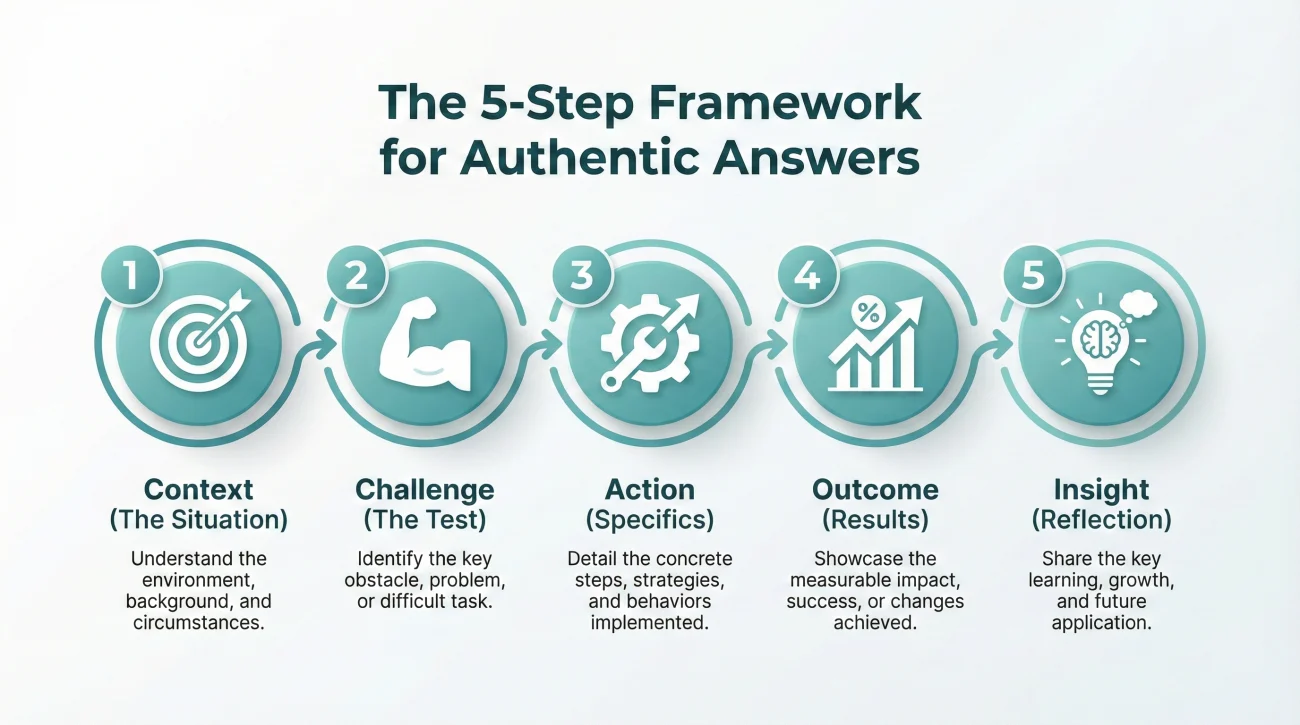
- 🎯 Context establishment: Situation requiring work ethic demonstration
- 💪 Challenge clarity: Why it tested motivation, reliability, or values
- ⚡ Action specifics: What you actually did beyond minimum requirements
- 📊 Outcome measurement: Quantifiable results from your approach
- 🧠 Insight reflection: What this reveals about your work ethic patterns
Research-Informed Responses
Generic work ethic answers ignore organizational culture differences that determine fit. Fast-paced startups value different motivation patterns than established bureaucracies. Collaborative environments require different work styles than independent contributor roles. Research actual culture through employee reviews, company communications, and interviewer signals, then tailor responses demonstrating alignment with specific organizational realities rather than universal platitudes.
💡 Pro tip: When discussing ideal work environment, acknowledge what energizes you while explaining how you’ve adapted to less-optimal conditions – this demonstrates both self-awareness and flexibility.
Avoiding Work Ethic Question Mistakes
Several predictable errors undermine otherwise strong candidates during work ethic assessment, creating doubt about authenticity or organizational fit.
Unsubstantiated Excellence Claims
Declaring yourself “extremely motivated” or possessing “exceptional work ethic” without specific evidence signals either poor self-awareness or preparation laziness. Every candidate claims strong work ethic – credibility comes from demonstrating it through detailed examples showing what you do differently. Replace self-assessments with behavioral proof: instead of “I’m very reliable,” describe the system you created ensuring deadline consistency across three years.
False Perfect Alignment
Claiming every described aspect of company culture perfectly matches your preferences appears disingenuous rather than enthusiastic. Organizations respect candidates who acknowledge minor preference differences while explaining adaptation capability. Honest fit assessment signals maturity that universal agreement cannot convey – you understand yourself and the organization well enough to identify both alignment and productive tension.
| Common Mistake | Why It Fails | Better Approach |
|---|---|---|
| Claiming external motivation only | Suggests you need constant reward/pressure | Balance intrinsic and extrinsic drivers with examples |
| Perfect culture fit claims | Appears disingenuous or unrealistic | Honest alignment with acknowledged minor differences |
| Abstract work ethic assertions | Every candidate claims this, no differentiation | Specific behavioral demonstrations from real situations |
| Ignoring adaptation needs | Suggests inflexibility to organizational reality | Acknowledge ideal vs. willingness to adapt productively |
Negative Previous Experience Discussion
Complaining about past work environments, unmotivated colleagues, or poor management during work ethic questions raises concerns about your contribution to those situations. Reframe challenges as context for demonstrating resilience: instead of criticizing previous culture, explain how you maintained standards despite suboptimal conditions. This positive framing shows strength while avoiding negativity that questions your judgment or attitude.
Never badmouth previous employers when explaining work style preferences – this suggests you’ll speak negatively about this organization later.
Strategic Preparation Approach
Effective work ethic question preparation requires deeper self-analysis than technical question prep because answers must reflect authentic patterns rather than memorized frameworks.
Identifying Your Actual Patterns
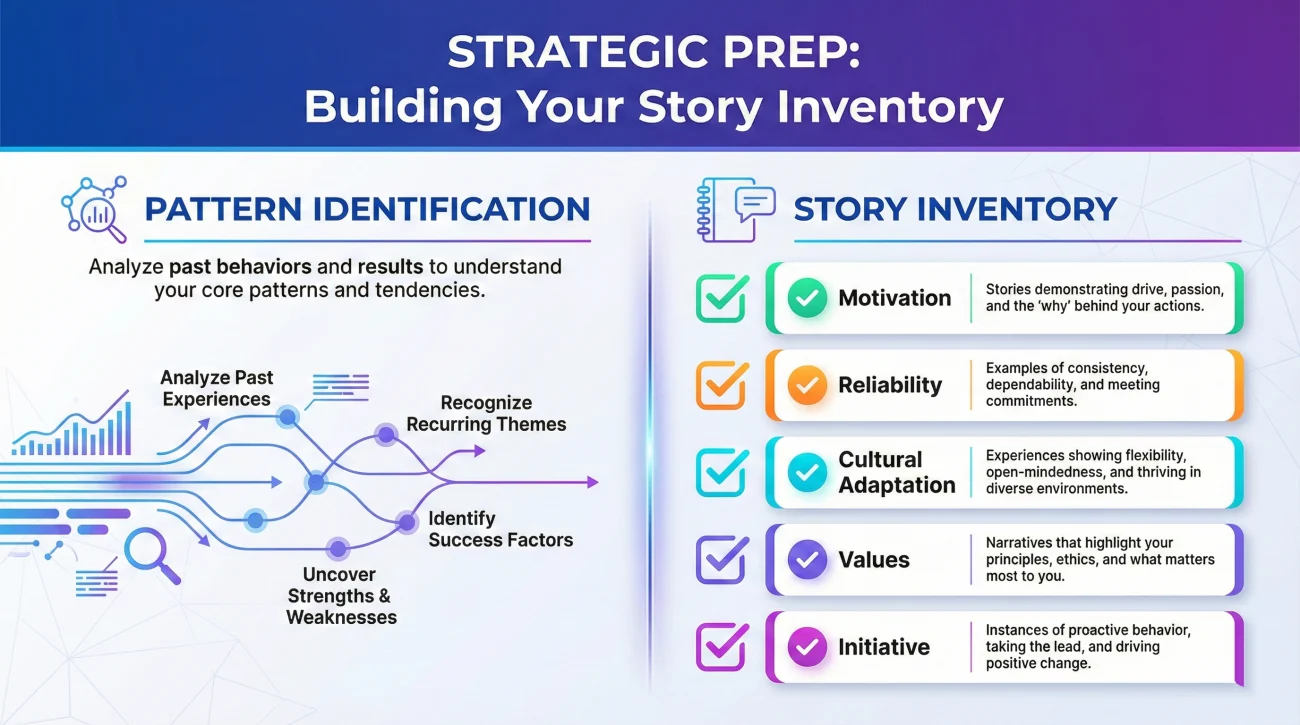
Review multiple work experiences identifying consistent themes in what energized you, when you exceeded expectations, how you responded to challenges, and where you thrived versus struggled. These patterns reveal authentic work ethic characteristics that rehearsed answers cannot fake. Honest self-assessment builds response credibility while identifying potential misalignment before accepting offers for roles where you won’t flourish.
Building Story Inventory
Prepare 5-7 detailed examples demonstrating different work ethic dimensions: intrinsic motivation, reliability under pressure, cultural adaptation, values-driven decisions, independent initiative, collaborative contribution. Each story should include specific context, your approach, measurable outcomes, and reflection on what this reveals about your work patterns. This inventory allows you to select the most relevant example for each question rather than forcing one story to fit every prompt.
- Motivation maintenance during difficult project phases or organizational uncertainty
- Reliability demonstration through consistent delivery despite changing circumstances
- Going beyond requirements when it mattered for quality or team success
- Adapting work style to cultural expectations while maintaining effectiveness
- Values-aligned decisions requiring short-term sacrifice for long-term integrity
❓ FAQ
🎯 How honest should I be about work environment preferences?
Be honest about core preferences while demonstrating adaptation capability. Acknowledge ideal conditions but explain how you’ve maintained effectiveness in less optimal environments. This balance shows self-awareness without appearing inflexible.
💼 Should I emphasize intrinsic or extrinsic motivation more?
Balance both with emphasis on intrinsic drivers supplemented by extrinsic factors. Pure extrinsic motivation suggests you need constant rewards while pure intrinsic claims appear unrealistic. Authentic combination demonstrates maturity.
⏰ What if my work style doesn’t match their culture perfectly?
Minor misalignment isn’t disqualifying if you demonstrate productive adaptation capability. Acknowledge differences honestly while explaining how you’ve successfully navigated similar gaps previously. Perfect fit claims appear disingenuous.
📋 How can I prove work ethic without bragging?
Focus on specific situations, your approach, and measurable outcomes rather than self-assessments. Let actions demonstrate work ethic instead of declaring excellence. Include challenges faced to show authenticity rather than claiming effortless perfection.
✨ Should I research company culture before these questions?
Yes – thorough culture research allows you to assess genuine fit and tailor examples demonstrating relevant work ethic dimensions. Employee reviews, company communications, and interviewer descriptions inform authentic responses that generic answers cannot match.
Final Thoughts
Technical competence gets you interviews but work ethic assessment determines whether you receive offers and thrive after hiring. Organizations increasingly prioritize cultural fit, sustainable motivation, and demonstrated reliability because these factors predict long-term success more accurately than skills that training can build. The investment you make preparing authentic, specific responses to these questions pays returns throughout your career as you develop clearer understanding of your actual work patterns and ideal environments.
Mastering work ethic interview questions requires honest self-assessment combined with strategic communication that demonstrates alignment without false claims of perfect fit. Research organizational culture thoroughly, identify your genuine motivation patterns and work style preferences, then prepare specific examples showing these characteristics in action across multiple situations. This preparation creates authentic confidence that rehearsed platitudes cannot match.
Remember that work ethic questions serve both parties – they help employers assess fit while helping you evaluate whether you’ll genuinely thrive in their environment. Approach these questions as mutual exploration rather than one-sided evaluation, using your responses to gather information about cultural realities while demonstrating the motivation, reliability, and values alignment that make you an exceptional long-term contributor.
⚠️ Disclaimer: The interview strategies, sample answers, and negotiation tips provided in this guide are for educational purposes only. Hiring decisions are subjective and vary by company and industry. While these strategies are based on professional HR standards, they do not guarantee a specific job offer or result.