
The Self-Knowledge Test
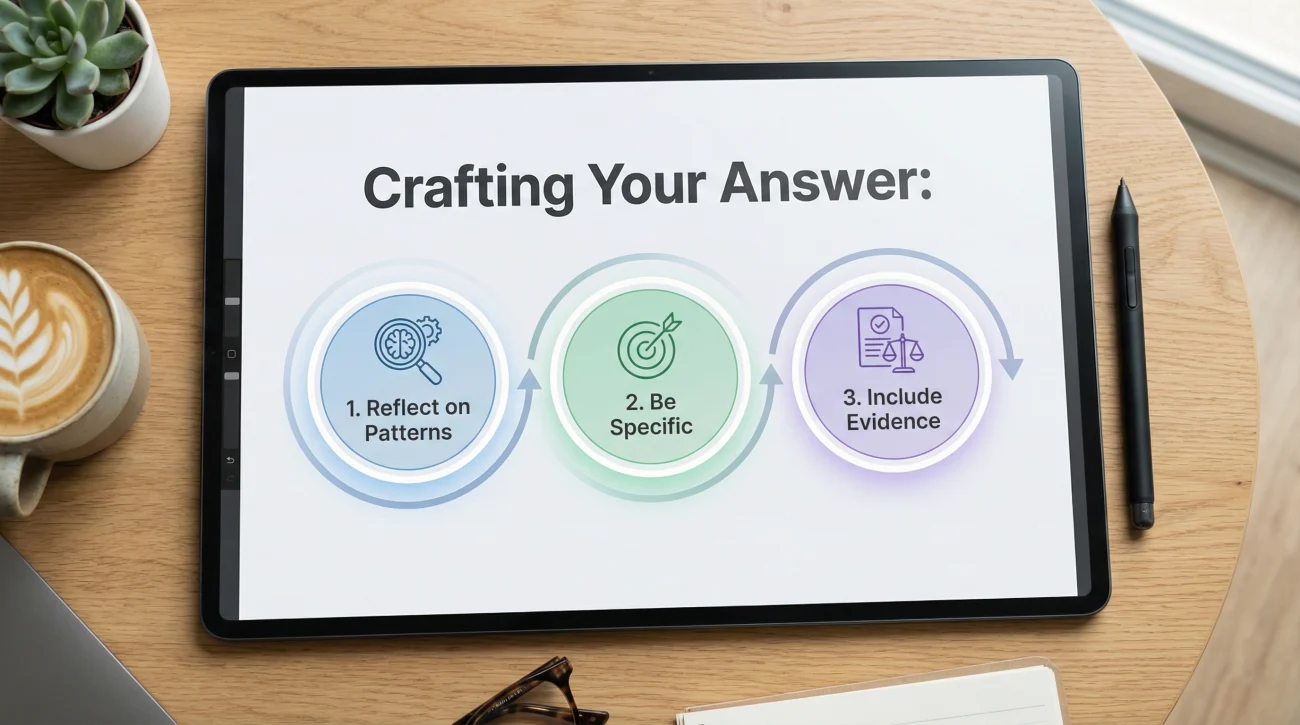
When interviewers ask you to describe your work style, they’re not looking for the “right” answer because there isn’t one. They’re testing whether you know yourself well enough to articulate how you actually work. People who can describe their style clearly have usually reflected on their patterns, understood what makes them effective, and learned to leverage their natural tendencies.
This question also helps interviewers assess fit. A highly structured person may struggle in a chaotic startup. A highly flexible person may chafe under rigid processes. Neither style is wrong, but mismatches between personal style and organizational environment create friction that affects everyone.
I once hired a project manager who described her style as highly organized, process-oriented, and systematic. She was exactly right about herself. Unfortunately, our team at the time was experimentally chaotic, with constantly shifting priorities and no established processes. She lasted four months before leaving for a company that matched her style. We should have listened more carefully to what she told us about herself.
The Style Spectrum
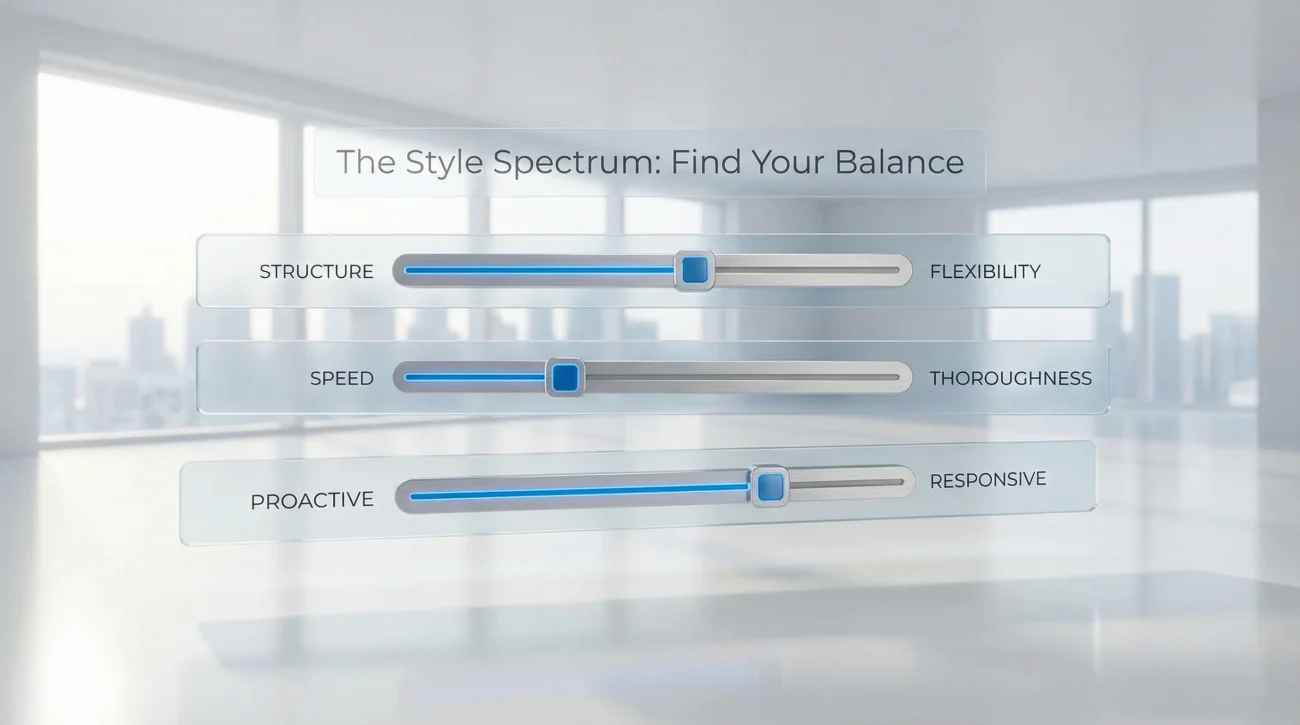
Work styles exist along several spectrums. Understanding where you fall on each helps you give a specific, accurate answer rather than generic platitudes.
Structure vs Flexibility
Structured workers prefer defined processes, clear schedules, and predictable workflows. They plan thoroughly, work systematically, and feel uncomfortable with ambiguity. Flexible workers prefer adapting to circumstances, pivoting when needed, and figuring things out as they go. They’re comfortable with uncertainty but may resist rigid processes.
Neither extreme is ideal for most roles. The question is where your comfort zone lies and whether you can operate outside it when necessary.
Speed vs Thoroughness
Some people work quickly, producing good output fast and iterating based on feedback. Others work thoroughly, taking more time to produce polished output that rarely needs revision. Fast workers risk superficial work. Thorough workers risk missing deadlines.
The best answer acknowledges your tendency while showing you can calibrate based on what the situation requires.
Proactive vs Responsive
Proactive workers anticipate needs, initiate projects, and work ahead of deadlines. Responsive workers react effectively to incoming demands and excel at handling what comes to them. Both styles have value in different contexts.
| Dimension | One End | Other End | What Matters |
|---|---|---|---|
| Structure | Highly planned, process-oriented | Highly adaptable, improvises | Role requirements, team culture |
| Speed | Fast, iterative | Thorough, polished | Deadline culture, quality expectations |
| Initiative | Proactive, self-directed | Responsive, directed | Management style, role autonomy |
| Communication | High-touch, frequent updates | Low-touch, results-focused | Manager preference, team norms |
Crafting an Authentic Answer
Start With Honest Reflection
Before interviews, spend time identifying your genuine patterns. Consider these questions:
- 📋 Planning: Do you start projects with detailed plans or figure things out as you go?
- ⏰ Deadlines: Do you finish early, on time, or at the last minute? Why?
- 🔄 Changes: How do you feel when priorities shift unexpectedly?
- 📊 Organization: Is your workspace tidy or chaotic? Does it affect your productivity?
- 💬 Communication: Do you prefer frequent check-ins or working independently?
Your answers reveal your actual style, not the style you think you should have.
Be Specific, Not Generic
Generic descriptions like “I’m a hard worker” or “I’m detail-oriented” say nothing distinctive. Specific descriptions show genuine self-knowledge.
“I’m very organized and work hard to meet deadlines.”
“I’m most productive when I can block uninterrupted time in the morning for complex work and save meetings and communication for afternoons.”
Include Evidence
Brief examples make your description credible. They show you’re describing actual behavior, not aspirational self-image.
Example with evidence: “I tend toward thorough over fast. In my current role, I discovered that spending extra time on initial analysis actually saved time overall because we caught issues before they became expensive problems. My manager now specifically assigns me the projects where getting it right matters more than getting it quick.”
Sample Answers for Different Styles
Structured Style
“My work style is highly organized and systematic. I start each week by mapping out priorities and blocking time for focused work on major tasks. I keep detailed notes and documentation because I’ve found that investing in organization upfront saves significant time later when questions arise or projects hand off.
That said, I’ve learned to build flexibility into my structure. I don’t schedule every hour because unexpected things always come up. My system includes buffer time for urgent requests and regular review points where I can adjust priorities if needed. The structure isn’t about rigidity. It’s about making sure important work doesn’t get lost in daily noise.”
Flexible Style
“I work best with flexibility to adapt to what each day requires. I have high-level goals and deadlines, but I don’t plan every hour because I’ve found that rigid schedules don’t survive contact with reality. Instead, I prioritize ruthlessly each morning based on what’s most important right now and adjust as things change.
This doesn’t mean I’m disorganized. I have systems for tracking commitments and making sure nothing falls through cracks. But my systems are designed to accommodate change rather than resist it. In fast-moving environments, this adaptability has let me handle shifting priorities that would stress someone who needs everything planned in advance.”
Balanced Style
“My work style sits somewhere between highly structured and highly flexible. I need enough structure to stay organized and ensure I’m working on the right things. At the same time, I’m comfortable pivoting when priorities change and don’t need every detail planned in advance.
Practically, this means I start projects with a clear plan but hold it loosely. I check in on progress regularly and adjust course when I learn new information. I’ve found this balance lets me stay focused without becoming rigid when circumstances require adaptation.”
For more strategies on presenting yourself authentically, see our behavioral interview guide.
Showing Adaptability
Whatever your natural style, demonstrating that you can adapt when necessary strengthens your answer. No job is perfectly consistent with any one style. The ability to flex outside your comfort zone is valuable.

Acknowledge Your Comfort Zone
Naming your preference shows self-awareness. “My natural tendency is toward thoroughness” is honest and specific.
Show You Can Flex
Follow with evidence that you can operate outside that preference when needed. “But I’ve learned to work faster when deadlines require it, and I’ve developed techniques for knowing when ‘good enough’ is actually good enough.”
Connect to Results
Explain how your style serves the work. Whether structured or flexible, your approach should produce good outcomes. “This style works for me because…” followed by results makes the description meaningful.
Key insight: The best answers describe a style while also demonstrating range. Interviewers want to know you can adapt to their environment, not just that you have one way of working.
❓ FAQ
🎯 What if my style doesn’t match what they seem to want?
Be honest while emphasizing adaptability. If there’s a genuine mismatch, it’s better to discover that before accepting a role where you’ll struggle. If you can adapt to their style, explain how you’ve done that successfully before.
💼 Should I adjust my answer based on the role?
Emphasize different aspects of your style for different roles, but don’t fabricate a style you don’t have. If you’re genuinely flexible, you can authentically emphasize that for a chaotic startup or your structured side for a process-heavy corporation.
⏰ How long should this answer be?
About sixty to ninety seconds. Describe your primary style, give a brief example, and show adaptability. Be prepared for follow-up questions where you can elaborate on specific aspects.
📋 What if I’m genuinely not sure what my style is?
Ask colleagues or managers who’ve worked with you. They often observe patterns you don’t notice. Reflect on when you’ve been most and least productive, and what conditions differed. The patterns are there; you just need to identify them.
✨ Is one style better than another?
No. Different roles and organizations suit different styles. A style that would be perfect at one company might be terrible at another. The goal is finding fit, not having the “right” style.
Know Yourself, Show Yourself
Answering questions that ask you to describe your work style is fundamentally about demonstrating self-knowledge. Reflect honestly on your patterns before interviewing. Describe your style specifically with evidence rather than generic claims. Show that you can adapt outside your comfort zone when situations require it. The most credible answers come from genuine reflection, not from trying to guess what interviewers want to hear. When you describe yourself accurately, you help both sides assess whether the fit is right.
⚠️ Disclaimer: The interview strategies, sample answers, and negotiation tips provided in this guide are for educational purposes only. Hiring decisions are subjective and vary by company and industry. While these strategies are based on professional HR standards, they do not guarantee a specific job offer or result.