The Most Underrated Professional Quality
Talent is common. Reliability at work is rare. After twenty years of managing teams across multiple industries, I’ve concluded that consistent reliability beats exceptional talent almost every time. The brilliant person who occasionally delivers exceptional work but frequently misses deadlines or disappears when needed creates more problems than the steady performer who delivers good work, on time, every time.
Interviewers asking about reliability aren’t testing whether you can do impressive things. They’re testing whether you can be counted on. Will you show up when expected? Will you deliver what you promised? Will you communicate proactively when problems arise? These behaviors sound basic, but their consistent application is surprisingly uncommon.
A project manager told me her most important hiring criterion is reliability. “I can teach skills. I can develop talent. But I can’t make someone fundamentally reliable if they’re not. When I find someone who does what they say they’ll do, I hold onto them.”
The Components of Workplace Reliability
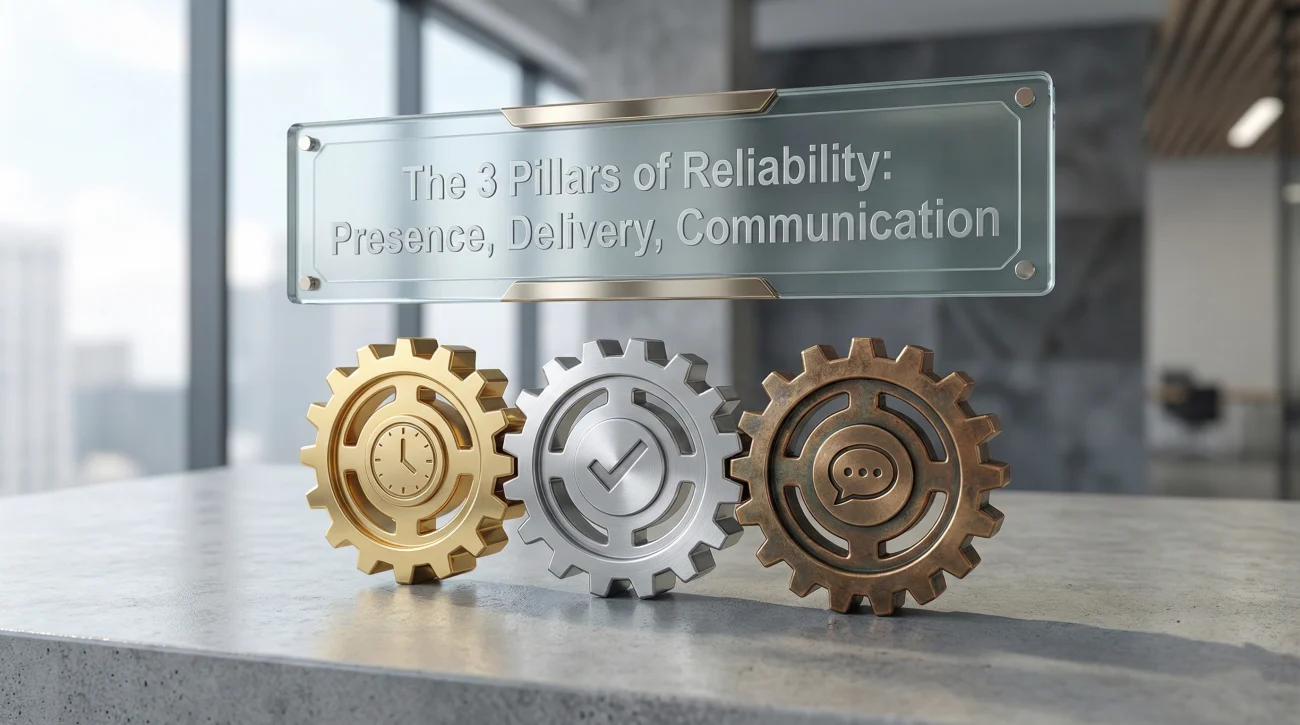
Showing Up Consistently
Reliability starts with presence. Being where you’re supposed to be, when you’re supposed to be there. This means arriving on time, attending scheduled meetings, being available during expected hours, and not disappearing without notice. It sounds elementary, but inconsistent attendance undermines everything else.
Showing up isn’t just physical presence. It’s mental presence. Being engaged in meetings, responsive to communications, and focused on work during work time. People who are technically present but mentally absent aren’t reliable in any meaningful sense.
Delivering on Commitments
Reliable people do what they say they’ll do. When they commit to a deadline, they meet it. When they promise a deliverable, they produce it. When they say they’ll follow up, they follow up. This consistency creates trust that enables planning. Managers can build schedules around reliable people because their commitments mean something.
Delivery also means quality. Consistently producing work that meets standards without requiring extensive revision. Reliable delivery isn’t just on-time. It’s on-time and acceptable.
Communicating Proactively
Reliable people don’t hide problems until they become crises. When obstacles threaten timelines, they communicate early. When they realize they can’t meet a commitment, they flag it immediately rather than hoping things work out. This proactive communication lets others adjust rather than being blindsided by failures.
| Reliability Component | Unreliable Behavior | Reliable Behavior |
|---|---|---|
| Attendance | Frequent lateness, unexplained absences | Consistent presence, advance notice of absences |
| Delivery | Missed deadlines, incomplete work | On-time, quality output that meets expectations |
| Communication | Silent until problems explode | Early warning when issues arise |
| Follow-through | Forgotten commitments, dropped balls | Tracking and completing every commitment |
Demonstrating Reliability in Interviews
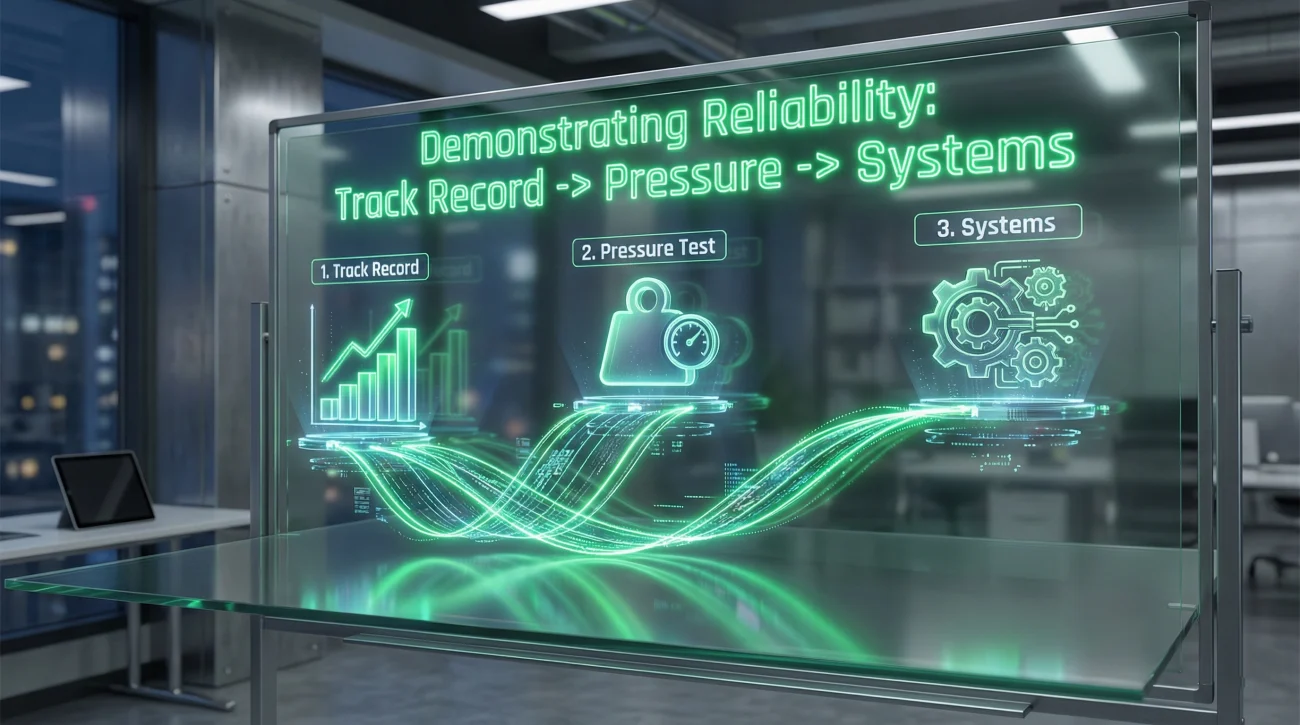
Track Record Stories
The strongest reliability evidence is a pattern, not a single example. Describe your overall track record of meeting commitments. If you’ve never missed a deadline, say so. If you have perfect attendance, mention it. Patterns demonstrate reliable behavior is your norm, not an exception.
“In three years in my current role, I’ve completed every project on or before deadline. My manager has told me she assigns me the critical path work because she knows it will be done when needed. Last year, I was the only person on my team with zero missed commitments.”
Reliability Under Pressure
Easy circumstances don’t test reliability. Describe situations where delivering was difficult but you found a way. Illness, personal challenges, resource constraints, or unexpected obstacles that you pushed through to keep your commitments.
“During a product launch, our lead developer left unexpectedly two weeks before deadline. I was responsible for the documentation component, which was mostly complete. Instead of just finishing my piece, I picked up significant portions of the integration work to keep us on schedule. It meant long hours for those two weeks, but we launched on time. My manager later said my reliability during that crisis was why she recommended me for promotion.”
Systems That Enable Reliability
Reliable people often have systems that prevent things from falling through cracks. Describing your organization methods shows that your reliability is sustainable, not just luck.
“I maintain a comprehensive task tracking system where every commitment I make gets logged immediately. I review it each morning to plan my day and each Friday to ensure nothing is slipping. When I tell someone I’ll do something, it goes in the system before I leave the conversation. This discipline means I virtually never forget a commitment.”
Sample Reliability Answers
Meeting Critical Deadlines
“Reliability is something I take seriously because I’ve seen how unreliable people affect entire teams. In my current role, I’ve built a reputation as someone who delivers. My manager specifically assigns me projects with fixed external deadlines because she’s confident they’ll be done.
One example: we had a regulatory filing with a hard deadline that could not be missed. The primary person responsible went on medical leave with a week remaining. I stepped in, reorganized my other priorities, and completed the filing a day early. The filing was accepted without issues. That kind of dependability matters more to me than doing flashy work.”
Proactive Communication
“Part of reliability is communicating early when things aren’t going as planned. I once realized midway through a project that a vendor dependency was going to cause a delay. Rather than waiting until the deadline approached, I flagged it immediately to stakeholders, proposed adjusted timelines, and presented options for mitigation.
My manager told me afterward that she appreciated the early warning. It gave her time to reset expectations with leadership rather than explaining a surprise delay. I believe reliability includes honesty about challenges, not just delivering when things go smoothly.”
Consistent Performance
“I’ve never missed a day of work unexpectedly in my professional career. When I need time off, I plan it in advance and ensure coverage. When meetings are scheduled, I’m there on time and prepared. When I commit to deliverables, they arrive when promised.
This consistency isn’t exciting, but it’s what enables teams to function. Colleagues know they can count on me, which makes collaboration easier. I’d rather be known as the person who always delivers than the person who occasionally does something brilliant but can’t be relied upon.”
For additional strategies on demonstrating work ethic, explore our behavioral interview guide.
Building a Reputation for Reliability
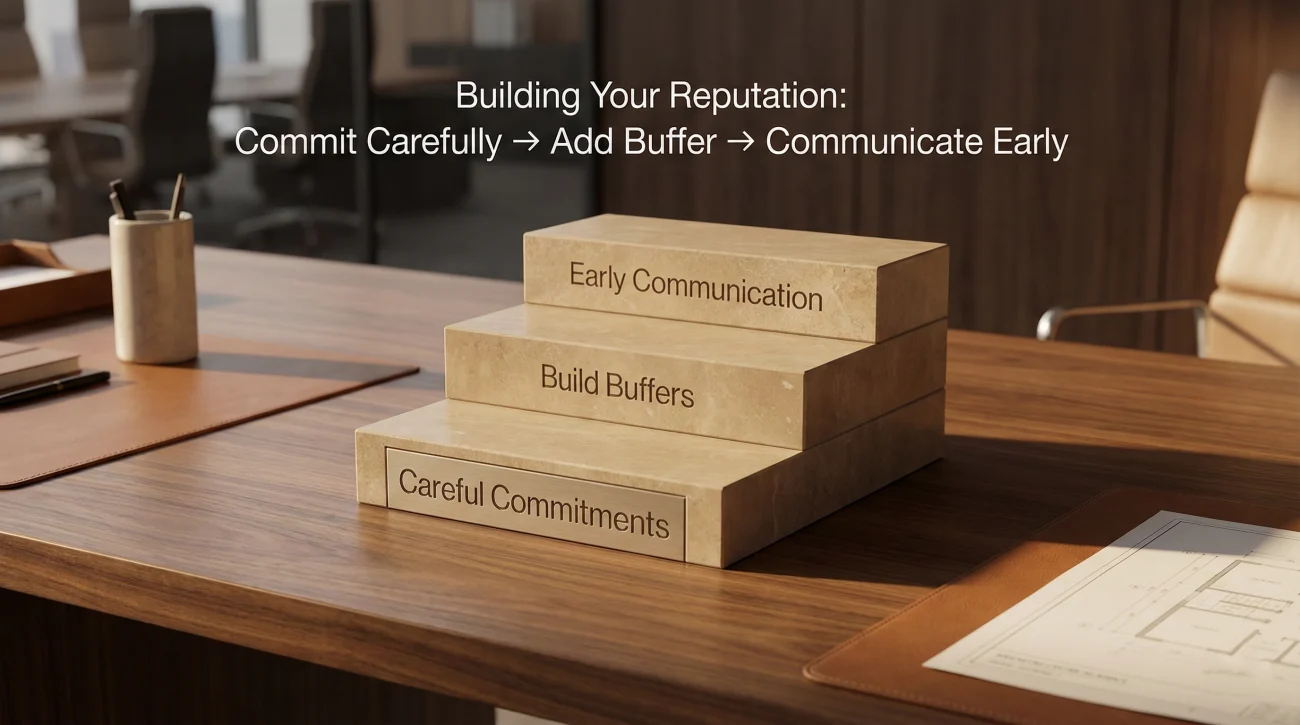
Make Commitments Carefully
Reliable people are careful about what they promise. They don’t overcommit, say yes to everything, or make promises they’re uncertain about keeping. Before committing, they consider their existing obligations and realistic capacity.
Saying “I can have that done by Thursday” and delivering Wednesday builds more trust than saying “I’ll try to get it done tomorrow” and delivering Thursday.
Build in Buffers
Unexpected issues arise constantly. Reliable people account for this by building buffer time into their estimates and schedules. When things go smoothly, they deliver early. When obstacles appear, they still meet their commitments.
Communicate at First Sign of Trouble
The moment you realize a commitment is at risk, communicate. Don’t wait hoping things will improve. Early warning gives others time to adjust. Late warning or no warning destroys trust. Even reliable people occasionally face circumstances that prevent delivery. How you handle those moments determines whether your reliability reputation survives.
Key insight: One missed commitment with immediate communication does less damage than one delivered late with no warning. Reliability includes how you handle the rare instances when you can’t deliver.
❓ FAQ
🎯 How do I demonstrate reliability with no work history?
Draw on academic commitments, volunteer work, or personal projects. Completing coursework on time, showing up consistently for team activities, or following through on commitments in any context demonstrates the same fundamental reliability.
💼 What if I have had reliability issues in the past?
Focus on your current track record and the systems you’ve built to ensure reliability now. If you’ve improved, describe what changed and how you’ve demonstrated consistent reliability since making those changes. Everyone grows.
⏰ Is reliability the same as working long hours?
No. Reliability is about meeting commitments, not about time spent. A reliable person who works efficiently and delivers in normal hours is more valuable than an unreliable person who works long hours but still misses deadlines.
📋 How do I balance reliability with quality?
Reliable delivery includes meeting quality expectations. If quality requirements conflict with timelines, communicate early to reset expectations. True reliability means meeting commitments on both dimensions, time and quality, or flagging conflicts before they become problems.
✨ Does reliability matter in creative roles?
Absolutely. Creative work still has deadlines, stakeholders, and dependencies. A creative who delivers inspired work unpredictably is less valuable than one who consistently delivers good creative work on schedule. Reliability enables creativity by creating trust and space for creative risk.
The Foundation of Trust
Demonstrating reliability at work in interviews means showing a pattern of consistent delivery, not just one impressive example. Describe your track record of meeting commitments, the systems you use to ensure nothing falls through cracks, and how you communicate proactively when challenges arise. Reliability isn’t glamorous, but it’s the foundation of professional trust. When interviewers believe you’ll do what you say you’ll do, every time, you become the candidate they can build plans around.
⚠️ Disclaimer: The interview strategies, sample answers, and negotiation tips provided in this guide are for educational purposes only. Hiring decisions are subjective and vary by company and industry. While these strategies are based on professional HR standards, they do not guarantee a specific job offer or result.