What Dentist Interviews Test
Dentist interview questions test clinical competency (procedures, diagnosis, and treatment planning), your approach to patient comfort and pain control, and how you respond when something urgent or unexpected happens. Interviewers also listen for strong communication (especially with anxious patients), sound professional judgment in complex or ethical scenarios, and a practical understanding of day-to-day practice operations. Finally, they want proof you keep learning – staying current with materials, technology, and evidence-based care over time.
This guide covers clinical procedures and techniques, pain management and patient comfort, treatment planning and diagnostics, patient communication and anxiety management, and practice management and professional development. Explore comprehensive preparation at our complete interview guide.
Clinical Procedures and Techniques
Q: Describe your experience with restorative procedures.
Restorative dentistry encompasses common procedures requiring technical proficiency. Direct restorations include composite fillings using proper isolation, etching, bonding, and layering techniques achieving natural esthetics and functional contacts, amalgam restorations following cavity preparation principles for mechanical retention, and glass ionomer restorations for pediatric or high-caries-risk patients. Indirect restorations involve crowns requiring proper tooth preparation, impression taking, temporization, and final cementation, bridges replacing missing teeth with abutment preparation and pontic design, and inlays/onlays for conservative tooth structure preservation.
Emphasize staying current with materials like bulk-fill composites or CAD/CAM same-day restorations, understanding indications and contraindications for each restoration type, and achieving predictable outcomes through proper technique and case selection. Mention continuing education in adhesive dentistry or prosthodontics demonstrating commitment to excellence beyond dental school training.
Q: How do you approach root canal treatment?
Endodontic treatment requires systematic approach and precision. Diagnosis includes pulp vitality testing, percussion and palpation, radiographic evaluation, and symptom assessment determining irreversible pulpitis versus necrotic pulp. Treatment planning considers tooth restorability, strategic importance, patient preference, and referral to endodontist for complex anatomy or calcified canals.
Procedure involves access cavity preparation maintaining straight-line access to canals, working length determination using apex locator and radiographs, cleaning and shaping with rotary or hand files removing infected tissue, irrigation with sodium hypochlorite and EDTA disinfecting canal system, and obturation with gutta-percha sealing three-dimensionally. Follow up ensures proper healing monitoring for resolution of symptoms and periapical radiolucency over the following months.
Q: Describe managing a dental emergency.
Emergency management demonstrates clinical judgment under pressure. Dental abscess requires drainage if fluctuant providing immediate pain relief, antibiotic prescription for systemic involvement with fever or swelling, and definitive treatment addressing infected tooth through extraction or root canal. Traumatic injuries need immediate assessment, which may include steps like addressing an avulsed permanent tooth as quickly as possible when appropriate, stabilizing fractured teeth, and managing soft tissue lacerations.
⚠️ Avulsed permanent tooth: Handle it by the crown (not the root), rinse gently if dirty, and keep it moist while seeking urgent dental care. If replanting is appropriate, doing it sooner generally improves the chance of success.
Postoperative complications like dry socket treat with gentle irrigation, medicament placement in socket, and pain management with NSAIDs avoiding opioid overprescription. Broken restoration addresses with temporary restoration or remake depending on extent of failure, and bleeding control achieves through pressure, suturing if needed, or hemostatic agents for patients on anticoagulants.
Q: What extraction techniques do you use?
Extraction requires proper technique minimizing trauma. Simple extractions involve adequate anesthesia ensuring patient comfort, elevation using periosteal elevator loosening periodontal ligament, luxation with appropriate forceps using controlled force, and delivery removing tooth intact when possible. Complex extractions use surgical approach with flap elevation, bone removal with handpiece for impacted teeth, sectioning multi-rooted teeth dividing for easier removal, and primary closure suturing for optimal healing.
Complications management includes fractured roots using surgical retrieval avoiding pushing into sinus, excessive bleeding controlling with pressure, hemostatic agents, or suturing, and postoperative instructions emphasizing no smoking, soft diet, gentle rinse after 24 hours, and pain control primarily with NSAIDs. Referral to oral surgeon for difficult cases including deeply impacted wisdom teeth, proximity to mandibular nerve, or medically compromised patients demonstrates good judgment knowing limitations.
Pain Management and Anesthesia
Q: Describe your local anesthetic technique.
Effective anesthesia ensures patient comfort. Agent selection includes lidocaine with epinephrine for routine procedures, articaine for supplemental infiltration (often useful in the mandible), or mepivacaine without vasoconstrictor when vasoconstrictors are not ideal for a specific patient. Technique involves topical anesthetic application reducing injection pain, slow deposition preventing tissue distention, and aspiration before injection avoiding intravascular administration.
Common blocks include inferior alveolar nerve block for mandibular molars, posterior superior alveolar block for maxillary molars, and infiltration for maxillary anterior teeth. Troubleshooting inadequate anesthesia uses supplemental infiltration, intraligamentary injection for individual teeth, or intrapulpal injection during pulpotomy. Monitor for adverse reactions including syncope, allergic response, or systemic toxicity managing appropriately.
Q: How do you manage postoperative pain?
Pain management emphasizes multimodal approach limiting opioids. First-line pain control often uses NSAIDs (when safe for the patient), sometimes combined with acetaminophen, because that combination can provide strong relief for many dental procedures. Opioids, if used at all, are typically reserved for select higher-pain situations and prescribed for the shortest appropriate duration.
Follow local controlled-substance requirements (for example, PDMP checks where applicable), counsel patients on safe use and storage, and arrange appropriate follow-up to confirm pain is controlled and recovery is on track. Preventive measures like preemptive analgesia before procedure onset and long-acting local anesthetics reduce peak pain improving patient experience.
Q: Describe sedation options you offer.
Sedation expands access for anxious patients. Nitrous oxide provides conscious sedation with rapid onset and offset, anxiolysis without loss of protective reflexes, and easy titration to patient response. Oral sedation uses benzodiazepines like triazolam or diazepam for moderate sedation requiring monitoring and responsible adult escort.
IV sedation requires additional training and certification providing deeper sedation for extensive procedures or severe anxiety with continuous monitoring of vital signs and emergency equipment available. Patient selection considers medical history screening for contraindications, procedure complexity determining sedation depth needed, and patient preference discussing risks and benefits. Emphasize safety protocols including pre-procedure assessment, appropriate monitoring, and emergency preparedness maintaining patient wellbeing.
Q: How do you handle patients with dental anxiety?
Anxiety management builds trust and improves compliance. Communication includes listening to concerns without judgment validating fears from past negative experiences, explaining procedures in simple terms avoiding scary terminology, and providing control allowing patient to raise hand signaling need for break. Environmental modifications involve calming office atmosphere with music and comfortable seating, tell-show-do technique demonstrating instruments before use especially for children, and distraction methods like TV or headphones.
Pharmacologic options range from pre-medication with anti-anxiety medication for mild cases to sedation for severe phobia. Behavioral techniques include positive reinforcement praising cooperation, desensitization with short non-threatening visits building confidence, and involving supportive family member when appropriate. Document anxiety level and successful interventions personalizing future appointments to patient needs.
Treatment Planning and Diagnostics
Walk me through your new patient examination process.
Comprehensive examination establishes baseline and builds treatment plan. Medical history review identifies systemic conditions, medications, and allergies affecting treatment, dental history discusses previous problems and patient concerns, and chief complaint addresses immediate reason for visit. Clinical examination includes extraoral assessment of TMJ, lymph nodes, and facial symmetry, intraoral soft tissue screening for oral cancer, periodontal charting measuring pocket depths and recession, and dental charting noting existing restorations, caries, and wear.
Radiographic evaluation uses panoramic X-ray for overview of teeth, bone, and pathology, bitewing radiographs detecting interproximal caries and bone levels, and periapical films for endodontic or surgical planning. Diagnostic tests involve vitality testing for symptomatic teeth, occlusal analysis checking bite relationship, and photographs documenting current condition. Compile findings into comprehensive treatment plan prioritizing emergency needs, disease control, and elective procedures presenting options with costs and timeline.
How do you develop treatment plans for complex cases?
Complex rehabilitation requires interdisciplinary coordination. Diagnostic phase includes mounted study casts in centric relation, diagnostic wax-up showing proposed final result, and comprehensive imaging like CBCT for implant planning. Address disease first controlling periodontal disease and caries before definitive restorations, surgical phase for extractions, bone grafting, or implant placement, and provisional restoration testing function and esthetics before final work.
Collaborate with specialists consulting periodontist for advanced gum disease, endodontist for complex root canals, oral surgeon for extractions or implants, and prosthodontist for full-mouth reconstruction. Patient education uses visual aids showing current condition and proposed treatment, discuss realistic expectations about timeline and investment, and obtain informed consent ensuring understanding of risks and alternatives. Phased treatment accommodates patient budget and schedule while achieving long-term oral health goals.
Describe managing a pediatric patient needing treatment.
Pediatric dentistry requires behavioral management and parent communication. Behavior guidance uses tell-show-do explaining procedure age-appropriately, positive reinforcement praising cooperation, and voice control maintaining firm but kind tone. Restraint techniques include parent stabilization for very young children or papoose board for safety during necessary treatment only when other methods fail.
Treatment modifications involve stainless steel crowns for extensively decayed primary teeth, pulpotomy for vital pulp exposure in primary teeth, and preventive sealants protecting permanent molars. Parent involvement explains importance of primary teeth for space maintenance and chewing, discusses diet and hygiene counseling preventing future decay, and addresses dental development answering questions about eruption timing and orthodontic needs. Build positive dental experience reducing future anxiety and establishing good oral health habits early.
Practice Management and Professional Growth
Q: How do you stay current with continuing education?
Professional development maintains clinical excellence. Attend continuing education courses focusing on areas of practice like implantology, cosmetic dentistry, or endodontics, participate in dental conferences and study clubs to learn emerging techniques and share cases with peers, and pursue advanced training or credentials aligned with your role to demonstrate ongoing development.
Read dental journals including Journal of American Dental Association, Journal of Prosthetic Dentistry, or specialty publications staying informed of research and best practices, participate in study clubs discussing challenging cases with colleagues, and adopt new technology like digital scanners, CAD/CAM, or laser dentistry improving patient outcomes. Track CE credits to meet your local licensure requirements and keep a clear record of professional growth over time.
Q: How do you handle infection control in your practice?
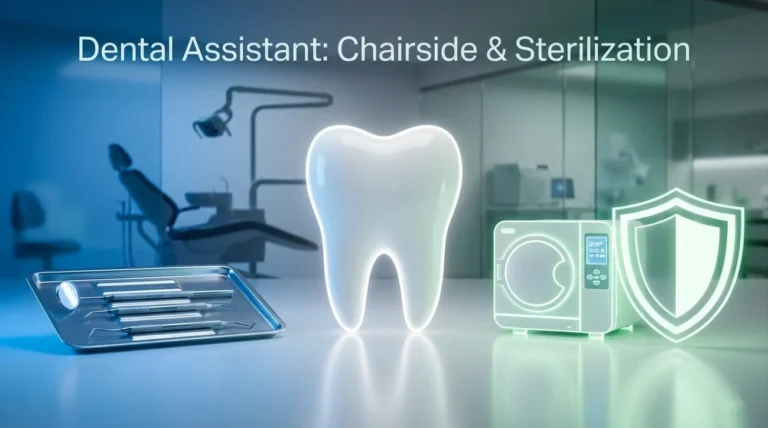
Infection prevention protects patients and staff by following current infection-control guidelines and clinic protocols. Instrument processing includes pre-cleaning at chairside, ultrasonic cleaning removing debris, packaging in sterilization pouches, and autoclaving at proper temperature and time. Verify sterilization effectiveness using chemical indicators and regular biological testing per clinic policy and manufacturer guidance, documenting results in a sterilization log.
Operatory protocols involve surface disinfection between patients using EPA-registered hospital-grade disinfectant, barrier protection on light handles and switches replaced each patient, and handpiece sterilization following manufacturer instructions. PPE requirements include gloves, masks, eyewear, and gowns for all patient contact, sharps safety using recapping devices and puncture-resistant containers, and hand hygiene before and after patient care. Staff training and periodic audits help ensure compliance and identify areas to improve.
Q: Describe your approach to patient education.
Education empowers patients making informed decisions. Use visual aids like intraoral camera showing patient their own teeth making problems tangible, radiographs pointing out pathology, and models demonstrating proper brushing and flossing technique. Explain treatment in simple terms avoiding dental jargon, discuss why treatment recommended connecting to patient’s goals like pain relief or improved appearance, and present options with pros and cons respecting patient autonomy.
Preventive counseling addresses diet discussing sugar frequency and acidic beverages, oral hygiene demonstrating technique and recommending appropriate products, and lifestyle factors like smoking cessation improving periodontal health. Written instructions reinforce verbal education providing post-op care, medication directions, and emergency contact information. Follow-up ensures understanding scheduling recall appointments and calling to check on recovery from procedures building long-term relationships based on trust and communication.
Q: How do you manage practice productivity?
Efficient practice balances patient care and business success. Schedule optimization includes appropriate time allocation for procedures avoiding running behind, same-day dentistry using CAD/CAM reducing multiple appointments, and block scheduling grouping similar procedures improving workflow. Team management involves clear communication with staff delegating appropriately, morning huddles reviewing day’s patients and special needs, and cross-training ensuring coverage when staff absent.
Case acceptance improves through treatment plan presentation explaining value not just cost, payment options offering financing making treatment accessible, and relationship building earning patient trust in recommendations. Monitor key metrics including production per hour, collection rates, and new patient numbers identifying areas for improvement. Balance productivity with quality never compromising care for speed maintaining high clinical standards while achieving financial goals necessary for practice sustainability.
Dental Clinical Knowledge
20 Practice Questions
1. First-line postoperative pain management for dental procedures?
- Opioids for all patients
- NSAIDs + acetaminophen combination
- No medication needed
- Antibiotics primarily
2. Avulsed permanent tooth should be?
- Scrubbed clean thoroughly
- Replanted immediately or stored in milk
- Discarded and replaced later
- Soaked in alcohol
3. Lidocaine 2% with epinephrine is used for?
- Local anesthesia with vasoconstriction
- Systemic pain relief
- Topical application only
- Antibiotic prophylaxis
4. Root canal treatment indicated for?
- Reversible pulpitis
- Irreversible pulpitis or necrotic pulp
- All toothaches
- Cosmetic purposes
5. Nitrous oxide provides?
- Deep sedation
- Conscious sedation with anxiolysis
- Local anesthesia
- General anesthesia
6. Tell-show-do technique is used for?
- Adult anxiety only
- Pediatric behavior management
- Sedation protocol
- Infection control
7. Dental abscess requires?
- Observation only
- Drainage, antibiotics if systemic, definitive treatment
- Antibiotics only
- Pain medication alone
8. CDC infection control guidelines include?
- Hand hygiene optional
- Standard precautions, sterilization, PPE
- No special requirements
- Monthly sterilization
9. Composite restoration requires?
- Isolation, etching, bonding, layering
- Just placing material
- No preparation needed
- Amalgam technique
10. Dry socket treatment includes?
- Vigorous irrigation
- Gentle irrigation, medicament placement, pain control
- Suturing closed
- Antibiotic only
11. CAD/CAM technology allows?
- Same-day crown fabrication
- Teeth whitening
- X-ray processing
- Orthodontic treatment
12. Comprehensive exam includes?
- Just looking at teeth
- Medical/dental history, clinical exam, radiographs, diagnosis
- X-rays only
- Cleaning only
13. How do you verify sterilizer effectiveness?
- Rely on appearance only
- Use indicators and documented testing per clinic policy
- Test only when something seems wrong
- Skip documentation
14. Crown preparation requires?
- Minimal reduction
- Adequate reduction, margin placement, retention form
- No anesthesia
- Just polishing
15. Dentist can diagnose?
- Oral diseases, dental conditions, oral cancer screening
- All medical conditions
- Nothing without MD
- Teeth only
16. Opioid prescribing should?
- Be routine for all extractions
- Follow local requirements, prescribe minimally when needed, and counsel on risks
- Ignore patient risk factors
- Provide large “just in case” quantities
17. Periodontal disease treatment?
- Antibiotics only
- Scaling/root planing, oral hygiene, possible surgery
- Extraction always
- No treatment available
18. Inferior alveolar nerve block anesthetizes?
- Maxillary teeth
- Mandibular teeth on one side
- All teeth
- Soft tissue only
19. Treatment plan presentation should?
- Use complex terminology
- Use visual aids, explain options, discuss costs
- Dictate only one option
- Skip patient input
20. Continuing education is?
- Optional always
- Often required for license renewal
- Only first year
- Not necessary
❓ FAQ
🎯 Should I bring clinical cases to my interview?
Yes, bring portfolio with before/after photos of cases demonstrating skills, particularly complex restorations, cosmetic work, or challenging extractions. Include variety showing range not just best outcomes. Digital format on tablet works well. Ensure HIPAA compliance with patient faces cropped and identifying information removed.
🚀 How do I discuss production without sounding money-focused?
Frame productivity in terms of patient access to care and practice sustainability. Discuss efficiency improvements that reduce wait times, same-day dentistry benefiting patients, and case acceptance through education not pressure. Emphasize quality metrics alongside production demonstrating balanced approach to clinical excellence and business success.
💼 What questions show I researched the practice?
Ask about patient demographics and common procedures, technology and equipment available, continuing education support and specialty training opportunities, scheduling philosophy and average patients daily, and team structure including number of hygienists and assistants. Specific questions demonstrate genuine interest while evaluating practice fit.
📚 How do I discuss mistakes or complications?
Frame as learning experiences using specific example showing honest reflection. Describe situation objectively, actions taken to address issue including communication with patient, what you learned, and how you changed practice preventing recurrence. Demonstrates maturity, accountability, and commitment to continuous improvement valued in healthcare professionals.
🌐 Should I mention practice management software experience?
Yes, mention familiarity with common systems like Dentrix, Eaglesoft, or Open Dental demonstrating technical proficiency. Even if different software, emphasize quick learning and general computer comfort. Discuss how you use practice management for treatment planning, case presentation, or tracking outcomes showing integration into clinical workflow.
Final Thoughts
Success with dentist interview questions requires demonstrating clinical competency in procedures and diagnostics, commitment to pain management and patient comfort, clear treatment planning and communication, professional infection control practices, and continuous learning through CE and technology adoption. Focus on evidence-based techniques, patient-centered care philosophy, efficient practice management, and ethical decision-making.
Employers value dentists who balance clinical excellence with business acumen, communicate effectively with anxious patients, work collaboratively with staff, and maintain high professional standards. Prepare by organizing clinical portfolio, practicing case presentations, reviewing current pain management guidelines, and researching practice’s patient base and services demonstrating genuine interest in contributing technical expertise, compassionate patient care, and professional leadership to their dental team.
⚠️ Disclaimer: The interview strategies, sample answers, and negotiation tips provided in this guide are for educational purposes only. Hiring decisions are subjective and vary by company and industry. While these strategies are based on professional HR standards, they do not guarantee a specific job offer or result.