The Paradox of Too Much
You’ve spent years building expertise, earning promotions, accumulating accomplishments. And now that experience is working against you. The interviewer looks at your resume, sees your history, and thinks: Why would someone with this background want this job? What’s wrong with them?
Being overqualified for the job interview creates a strange problem. Your greatest asset becomes your biggest liability. Every achievement raises questions instead of building credibility. The very experience that should make you valuable makes employers nervous.
The concern isn’t irrational. Employers have hired overqualified candidates who got bored, demanded rapid promotion, undermined their managers, or left for bigger roles within months. Those experiences make hiring managers cautious about candidates whose resumes exceed the role.
Your task is transforming their concern into confidence. Not by hiding your experience, but by explaining why it makes you right for this specific opportunity.
What They’re Really Asking
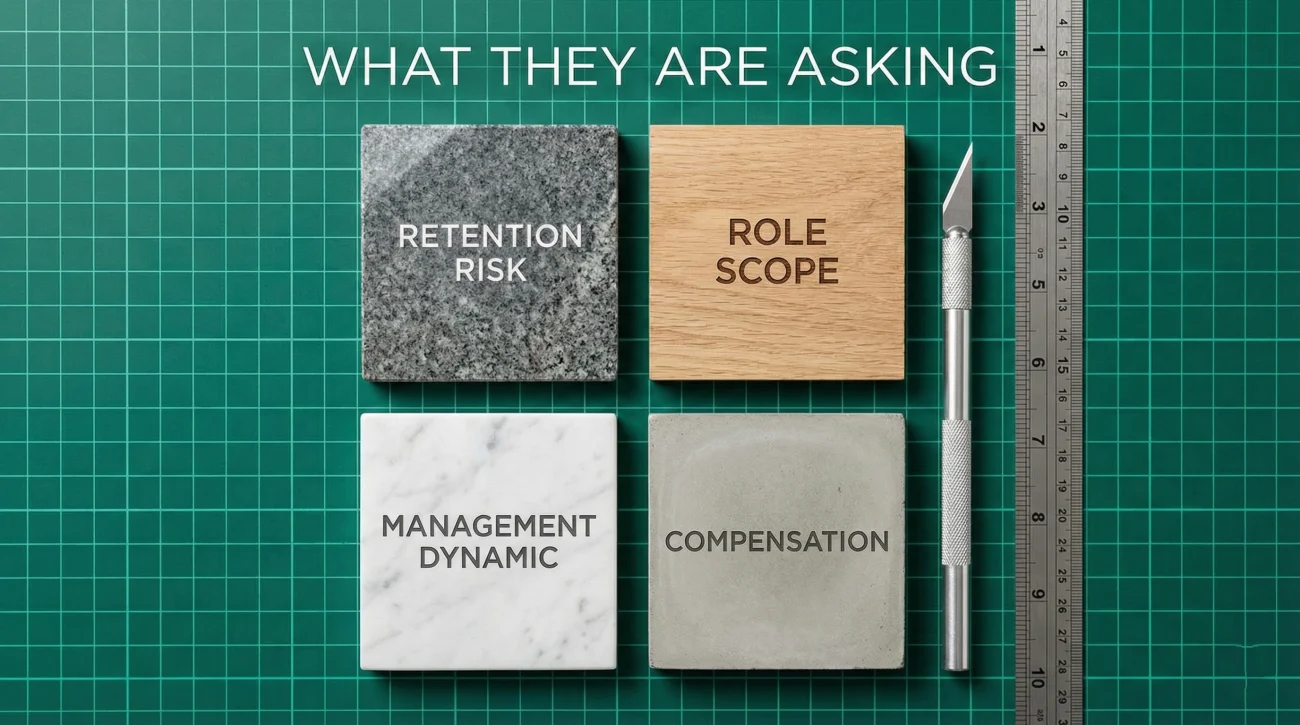
When interviewers raise overqualification concerns, they’re asking several questions at once. Address each one, and the concern dissolves.
“Will you actually stay?”
This is the primary worry. They fear investing in onboarding and training only to have you leave for a bigger role within a year. Retention risk tops their concern list.
Address it by explaining what you’re looking for and why this role provides it. Maybe you want stability after years of intense pressure. Maybe you want work-life balance that senior roles don’t permit. Maybe you’re interested in this specific company regardless of title. Give them concrete reasons to believe you’ll stay.
“Will you be content with this scope?”
They wonder if you’ll be frustrated by responsibilities smaller than what you’ve held. Will you resent the work? Will you constantly push for expanded scope? Will you seem bored?
Address it by explaining why this scope appeals to you specifically. Perhaps you want to go deep instead of broad. Perhaps you prefer execution over management. Perhaps this particular work genuinely interests you regardless of how it compares to your previous titles.
“Can I actually manage you?”
If you’ve held bigger roles than the hiring manager has, they may worry about the dynamic. Will you respect their authority? Will you try to take over? Will you second-guess their decisions?
Address it by showing you understand and accept the reporting relationship. You’ve reported to boards, investors, or other senior people throughout your career. Taking direction isn’t new or beneath you.
“Will our compensation work?”
Senior roles pay more than junior ones. They wonder if you’ll accept their salary range or push for more than they can offer.
Address it by confirming you’ve researched the role and its compensation range. If you’re willing to accept a pay cut for the right opportunity, say so directly.
Legitimate Reasons for Stepping Down
Employers accept overqualified candidates when they understand the motivation. Here are reasons that make sense and how to present them.

Work-Life Balance
Senior roles often consume everything. If you’re seeking sustainable challenge instead of all-encompassing pressure, say so honestly.
“I’ve done the intense executive track. I know what it requires. I’m now looking for work that challenges me intellectually without demanding every waking hour. I want to be great at my job and also present for the rest of my life.”
Passion for This Specific Work
Sometimes you want to do work you love regardless of where it sits in organizational hierarchy. That authenticity is compelling.
“I moved into management because that’s the path to advancement, but I’ve realized I’m happiest doing the actual work rather than managing others who do it. I want to return to what drew me to this field originally.”
Industry or Company Interest
Genuine attraction to a specific company or field can justify entering at a lower level.
“I’ve wanted to work in climate technology for years. This role gives me entry into that world. The level matters less to me than getting to contribute to work that aligns with my values.”
Stability After Volatility
After startup chaos, organizational stability can be genuinely appealing.
“I’ve spent years in high-growth environments with constant uncertainty. I’m ready for a role at an established organization where I can focus on execution rather than constantly reinventing everything.”
Learning New Domain
Entering a new field often means starting below your previous level. That’s expected and accepted.
“My experience is in different industries. I understand I’m building new domain expertise and I’m comfortable starting at a level that reflects that while I develop this new area of capability.”
For broader guidance on presenting career transitions, visit our self-introduction framework.
Reframing Experience as Advantage
After addressing concerns, show how your extra experience benefits them rather than creating risk.
Faster Ramp-Up
You’ve seen more situations and solved more problems. You’ll require less training and reach productivity faster than less experienced candidates.
“My experience means I’ve already made the mistakes that junior people are still learning from. I can hit the ground running rather than learning basic lessons on your time.”
Better Judgment
Years of experience develop pattern recognition and judgment that can’t be taught quickly. That wisdom benefits everyone around you.
“I’ve developed instincts about what works and what doesn’t that only come from extensive experience. That judgment will show up in better decisions and fewer costly mistakes.”
Mentorship Capacity
You can elevate the team around you through informal guidance and knowledge sharing.
“I can contribute beyond my direct responsibilities by helping develop less experienced team members. I’ve done a lot of mentoring and I genuinely enjoy it.”
Stability and Reliability
Experienced professionals often bring steadiness that younger workers are still developing.
“I’ve been through enough ups and downs to not get rattled by challenges. I bring stability and calm to teams, especially when things get difficult.”
| Their Concern | Your Reframe |
|---|---|
| Will get bored | Know exactly what I want; this role provides it |
| Will leave quickly | Seeking stability and commitment, not job hopping |
| Will be expensive | Accept role’s compensation; value non-monetary factors |
| Will outshine manager | Comfortable supporting leadership, not competing |
| Overkill for the work | Faster results, better judgment, mentorship bonus |
What Not to Say
Desperation Signals
“I just really need a job right now and I’ll take anything.”
This confirms their fear that you’re a flight risk once something better appears. Even if you are desperate, present a positive reason for wanting this specific role.
Temporary Stepping Stone
“I figure I can move up quickly once I prove myself here.”
This tells them you’re not actually interested in this role, just using it to get in the door. They want someone who wants the job they’re hiring for.
False Humility
“Oh, I’m not really overqualified. Anyone could have done what I did.”
Denying your experience is strange and unconvincing. Own your background while explaining why this role makes sense.
❓ FAQ
🎯 Should I remove senior roles from my resume to avoid looking overqualified?
Generally no. Gaps or inconsistencies raise their own questions, and the truth typically emerges anyway. Better to address overqualification directly than to appear deceptive. Some light editing of scope descriptions is acceptable, but don’t hide significant roles.
💼 What if they offer me less than I need financially?
Know your true minimum before interviewing. If their range can’t meet it, this may not be the right fit regardless of other factors. Don’t accept a role where you’ll resent the compensation from day one.
⏰ How do I show I won’t get bored?
Explain specifically what about this work interests you. Discuss the depth you want to achieve. Show genuine enthusiasm for the actual responsibilities. Bored candidates don’t show detailed interest in the job’s day-to-day work.
📋 What if I really do want to move up quickly?
Be honest with yourself about whether this role is right for you. If you’ll be frustrated at this level for any significant time, you might be setting yourself up for disappointment. Some advancement interest is normal, but it shouldn’t be your primary motivation.
✨ How do I handle reporting to someone less experienced?
If you genuinely can’t handle it maturely, don’t take the job. If you can, demonstrate that maturity in the interview. Your manager’s job is to lead, yours is to contribute. Experience differences don’t change that dynamic.
Experience Without the Ego
Addressing overqualified for the job interview concerns requires showing that your extensive experience comes without the baggage employers fear. Explain your legitimate reasons for seeking this role specifically. Address their unspoken questions about retention, contentment, and fit. Reframe your experience as advantage rather than risk. Demonstrate that you understand what you’re signing up for and want it anyway. When overqualification combines with genuine interest and appropriate humility, it becomes exactly what employers claim to want: someone who can do the job exceptionally well and actually wants to do it.
⚠️ Disclaimer: The interview strategies, sample answers, and negotiation tips provided in this guide are for educational purposes only. Hiring decisions are subjective and vary by company and industry. While these strategies are based on professional HR standards, they do not guarantee a specific job offer or result.