Why Interviewers Ask About Leadership Style
When interviewers ask what is your leadership style, they’re evaluating three things simultaneously: your self-awareness about how you lead, your flexibility to adapt to different situations, and whether your approach fits their organizational culture. The question appears simple but reveals volumes about your leadership maturity.
After fifteen years of interviewing leadership candidates across industries from healthcare to technology, I’ve noticed a consistent pattern. Candidates who describe a single, fixed leadership style often struggle in complex organizations. Those who articulate situational flexibility while maintaining core principles tend to succeed across varied contexts. The best answers demonstrate thoughtful adaptation rather than rigid adherence to one approach.
This question also tests whether you’ve actually reflected on your leadership rather than just accumulating management experience. Many people manage teams for years without examining how they lead or why certain approaches work better in different circumstances. Your answer reveals whether you’re an intentional leader or an accidental one.
The Interview That Changed My Perspective
Early in my career as a hiring manager, I interviewed a director candidate who confidently declared: “My leadership style is servant leadership. I believe my job is to remove obstacles for my team and put their needs first.” It sounded noble and well-researched.
I asked a follow-up: “What do you do when a crisis requires immediate decisions and there’s no time to gather team input or remove obstacles?” She struggled visibly. Her entire leadership identity was built around one philosophy, and she couldn’t articulate how she would adapt when that philosophy didn’t fit the situation.
We hired a different candidate who said something less polished but more honest: “My default is collaborative, but I’ve learned that different situations need different approaches. When my warehouse flooded last year, I didn’t gather consensus. I made rapid decisions and gave direct instructions. Once the crisis passed, I debriefed with the team and returned to our normal collaborative approach.” That answer showed real leadership experience, not just theoretical knowledge.
The lesson stayed with me: leadership style questions are testing adaptability as much as philosophy. Rigid adherence to any single approach, however admirable that approach might be, signals limited leadership range.
The Situational Leadership Framework
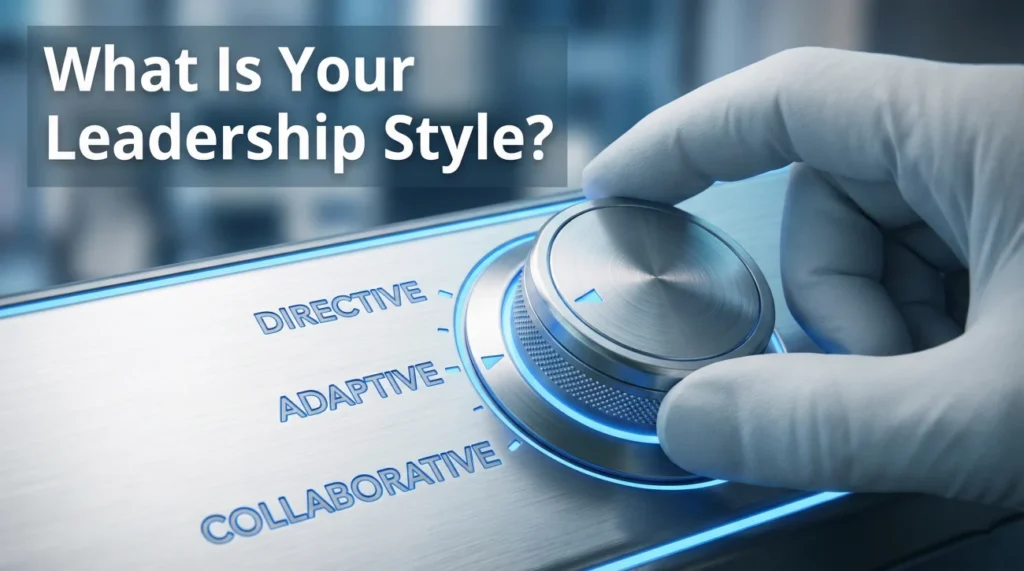
Effective leaders adjust their style based on three primary factors: the readiness of their team members, the nature of the task, and the broader organizational context. Understanding this framework helps you articulate a nuanced leadership style interview answer that demonstrates sophistication.
Team Member Readiness
Different people need different leadership at different stages of their development. A new employee learning their first professional role needs more direction, structure, and feedback than a senior expert who has done similar work for a decade. Applying the same leadership approach to both fails both.
Consider how this plays out practically. When I onboard a new analyst, I provide detailed guidance on processes, check their work closely, and give frequent feedback. The same approach with a senior analyst would feel like micromanagement and signal distrust. With experienced team members, I focus on strategic direction and remove obstacles while giving them autonomy in execution.
This isn’t about being inconsistent. It’s about recognizing that effective support looks different depending on where someone is in their development journey.
Task Characteristics
The nature of the work also shapes which leadership approach is most effective. Routine tasks with established processes require less hands-on leadership than novel challenges requiring creativity and experimentation. Crisis situations demanding rapid response call for more directive approaches than strategic planning exercises benefiting from collaborative exploration.
| Task Type | Effective Approach | Why It Works |
|---|---|---|
| Crisis requiring immediate action | Directive: clear decisions, explicit instructions | Speed matters more than consensus in emergencies |
| Complex problem with no clear solution | Collaborative: gather diverse perspectives | Multiple viewpoints improve solution quality |
| Routine operations | Delegative: set expectations, step back | Established processes don’t need constant direction |
| Team member development | Coaching: questions, feedback, guidance | Growth requires support tailored to individual needs |
| Strategic planning | Participative: involve stakeholders in direction | Buy-in matters for successful implementation |
Organizational Context
The broader environment shapes which leadership styles are effective. A fast-moving startup rewards quick decision-making and tolerance for ambiguity. A heavily regulated industry requires more process orientation and documentation. A creative agency values inspiration and vision-casting. A manufacturing operation needs precision and reliability.
Your adaptive management style should acknowledge these contextual factors. When interviewing at different types of organizations, emphasize the aspects of your leadership that align with their culture while demonstrating you can adapt to their specific environment.
Real Interview Stories That Demonstrated Adaptability
The Operations Director Who Read the Room
A candidate for an operations director role gave one of the most sophisticated leadership style answers I’ve heard:
“My leadership approach has evolved significantly over my career. I started very directive because that’s what I observed in my early managers. Over time, I learned that approach works in some situations but fails in others.”
“Now I think of myself as having a toolkit rather than a single style. My default is collaborative because I’ve found that involving people in decisions leads to better outcomes and stronger commitment. But I consciously shift based on what the situation needs.”
“Last quarter, we had a supply chain disruption that threatened a major customer delivery. In that moment, I shifted to directive leadership: made rapid decisions, gave clear assignments, checked progress frequently. My team appreciated the clarity during chaos. Once we resolved the crisis, I explicitly shifted back to our collaborative norm and debriefed about what we learned.”
“I also adapt to individuals. One of my supervisors thrives with autonomy and gets frustrated if I check in too often. Another needs more frequent touchpoints or she gets anxious about whether she’s on track. Treating them identically would fail both of them.”
This answer demonstrated experience, self-awareness, and sophisticated understanding of situational leadership without using academic jargon.
The Engineering Manager Who Learned Flexibility
An engineering manager shared his growth journey:
“I used to think my leadership style was fixed. I considered myself a servant leader focused on removing obstacles and supporting my team. Then I took over a struggling team that had missed deadlines for three consecutive quarters.”
“My usual approach wasn’t working. The team needed more structure, not less. They were actually paralyzed by too much autonomy without clear priorities. I had to become more directive than felt natural: establishing clear priorities, making decisions the team was avoiding, and holding people accountable to specific commitments.”
“Once the team stabilized and rebuilt confidence through successful deliveries, I gradually shifted back toward my preferred collaborative approach. But I learned that my ‘authentic’ leadership style isn’t always what a situation requires. Being effective means adapting, even when it feels uncomfortable.”
His answer showed genuine reflection on leadership development rather than textbook recitation.
Structuring Your Answer
Start With Your Default Approach
Begin by describing how you typically lead when circumstances are stable. This establishes a baseline that interviewers can understand and evaluate for cultural fit. Be specific about what this looks like in practice rather than just naming a style category.
Instead of:
“I’m a democratic leader.”
Try:
“My default approach is involving my team in decisions that affect their work. I share context about challenges we’re facing, ask for input and ideas, and make sure people understand why we’re pursuing a particular direction. I’ve found this creates stronger commitment and often surfaces better solutions than I would have developed alone.”
Describe How You Adapt
After establishing your default, explain how you flex your approach for different situations. This is where you demonstrate situational leadership understanding. Give specific examples of when you’ve led differently and why.
Show Your Judgment Process
Explain how you decide which approach to use. What signals tell you that more directive leadership is needed? What indicates you should step back and give more autonomy? This reveals the thinking behind your adaptability, which is often more valuable than the adaptability itself.
Expert insight: The question isn’t really about what style you use. It’s about whether you can read situations accurately and respond appropriately. Demonstrating that judgment matters more than naming the right style.
Sample Answers for Different Contexts
For Startup Environments
“My leadership style centers on clarity and speed with a strong bias toward action. In fast-moving environments, I make sure everyone understands what we’re trying to achieve and why, then give people significant autonomy to figure out how to get there. I check in frequently but focus on removing obstacles rather than directing work. When we hit genuine emergencies, I can shift to rapid decision-making, but I always explain my reasoning so the team can learn and eventually make similar calls themselves. I’ve found this approach develops strong teams that can operate independently, which is essential when things move quickly.”
For Enterprise Environments
“My leadership approach balances collaboration with accountability. I invest heavily in ensuring my team understands our strategic direction and how their work contributes to broader organizational goals. I seek input on significant decisions and try to build consensus when possible. But I’m also comfortable making calls when we need to move forward, and I hold people accountable to commitments they make. I’ve learned to navigate organizational complexity by building relationships across functions and understanding different stakeholders’ perspectives. This lets me advocate effectively for my team while remaining aligned with enterprise priorities.”
For more guidance on demonstrating leadership capabilities, explore our comprehensive interview preparation resources.
❓ FAQ
🎯 Should I research the company culture before answering?
Absolutely. Understanding whether you’re interviewing at a fast-paced startup, traditional enterprise, or creative agency helps you emphasize relevant aspects of your leadership. However, don’t fabricate a style that isn’t genuinely yours. Instead, highlight the authentic elements of your approach that align with their culture while acknowledging your adaptability.
💼 What if I haven’t been a formal manager?
Leadership happens without titles. Discuss how you’ve influenced peers, led projects, or mentored colleagues. Describe your approach to guiding group efforts even without formal authority. Many hiring managers specifically value candidates who demonstrate leadership before getting management titles.
⏰ How long should my answer be?
Aim for sixty to ninety seconds for your initial response. Start with your default approach, mention how you adapt, and give one brief example. Be prepared for follow-up questions where you can elaborate with additional examples and nuance.
📋 Is it okay to name specific leadership frameworks like situational leadership?
You can mention frameworks if they genuinely inform your approach, but don’t make your answer sound like a textbook. Demonstrate understanding through examples rather than definitions. Showing situational flexibility is more convincing than naming the theory behind it.
✨ What if my natural style differs from what the company seems to want?
Emphasize your adaptability while being honest about your default. If there’s a fundamental mismatch between your authentic leadership approach and the company culture, the role might not be right for you regardless of how you answer. Fit matters for long-term success.
Adaptability Is the Real Style
Answering what is your leadership style effectively means demonstrating situational awareness and behavioral flexibility. Describe your default approach with specific examples of what it looks like in practice. Show how you adapt for different people, tasks, and contexts. Reveal the judgment process behind your flexibility. Leaders who can read situations accurately and respond appropriately outperform those who apply a single approach regardless of circumstances. That adaptability, grounded in self-awareness and experience, is the leadership style worth demonstrating.
⚠️ Disclaimer: The interview strategies, sample answers, and negotiation tips provided in this guide are for educational purposes only. Hiring decisions are subjective and vary by company and industry. While these strategies are based on professional HR standards, they do not guarantee a specific job offer or result.