- Why strong questions matter: Strategic questions prove preparation, reveal what you actually need to know, and make you memorable instead of “generic.”
- What makes a question strategic: Research-based context, insight-seeking intent, challenge focus, and future orientation that invites real answers, not company brochure talk.
- The 10 questions that consistently impress: Success at 6 months, biggest team challenge, role impact on priorities, what happened to the last person, team performance measurement, learning and development, speed vs quality, what they wish they knew, how leadership handles disagreement, and concerns about your background.
- How to customize for max impact: Turn generic prompts into company-specific versions using recent initiatives, news, and structure changes, then adapt questions by interviewer type (tech lead, manager, exec).
- Timing and delivery that lands: Ask some questions naturally during the conversation, save 3 to 5 strongest for the end, keep it conversational, take light notes, and bring backups in case your main questions get answered early.
Why These Questions Separate Strong from Weak Candidates
Most candidates ask generic questions that interviewers hear dozens of times. The best questions to ask interviewer accomplish three goals simultaneously: they reveal critical information you need to evaluate the opportunity, they demonstrate your strategic thinking and preparation, and they position you as someone who thinks beyond task completion to business impact.
Generic questions signal you’re going through the motions. Strategic questions prove you’ve researched the company, understand the industry context, and think like someone already in the role. The difference between asking “What’s the culture like?” versus “How does leadership balance innovation speed with code quality?” separates forgettable candidates from memorable ones. Understanding the full range of questions to ask in an interview provides broader context for these strategic choices.
The Strategic Question Framework
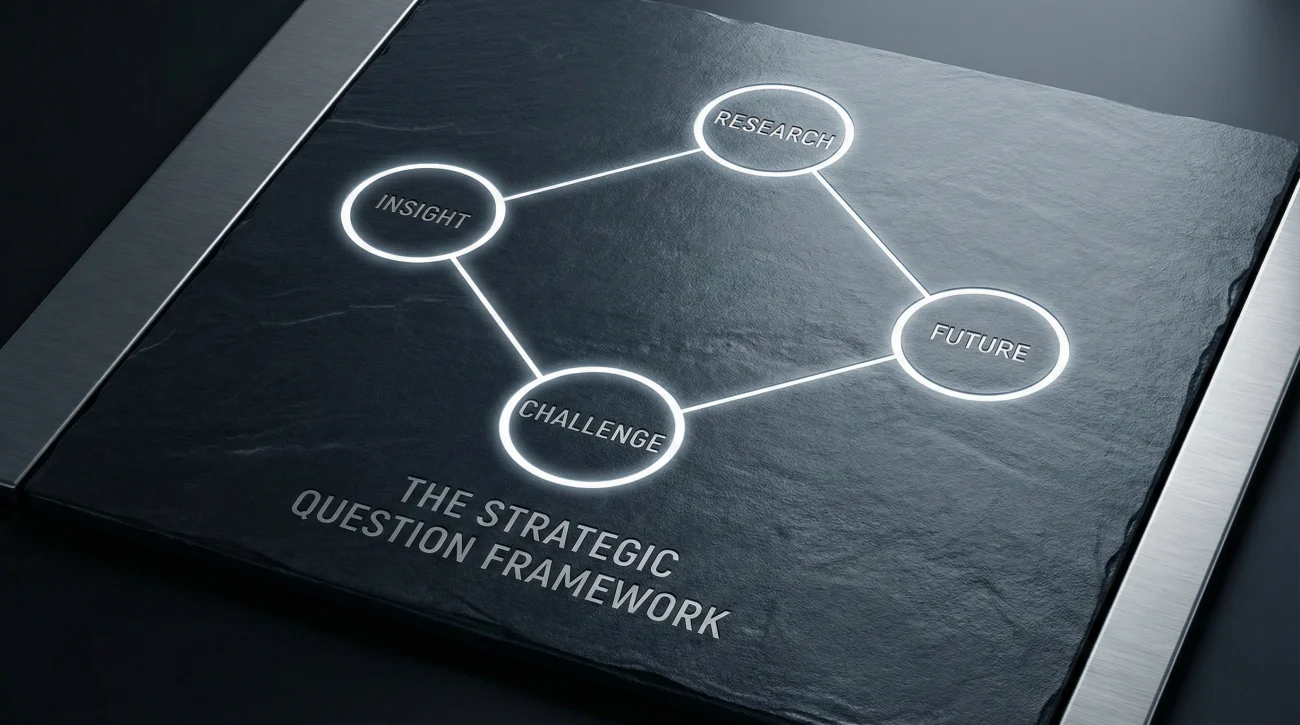
Before diving into specific questions, understand what makes a question strategic rather than just safe. The top interview questions to ask share common characteristics that generic questions lack.
Elements of Strategic Questions
Effective questions demonstrate preparation by referencing specific company initiatives, recent news, or industry trends. They focus on challenges and opportunities rather than just processes. They invite the interviewer to share insights rather than recite facts available on the company website.
- 🎯 Research-Based: Shows you’ve done homework beyond the job description
- 💡 Insight-Seeking: Uncovers information not available publicly
- 🔍 Challenge-Focused: Explores real problems you’d help solve
- ⚡ Future-Oriented: Discusses where the team or company is heading
💡 Pro tip: Frame questions as conversations rather than interrogations – use “How do you…” instead of “Do you…” to invite detailed responses.
The Top 10 Questions That Impress
These smart questions to ask interviewer consistently demonstrate strategic thinking while uncovering critical information about the role, team, and company.
What Does Success Look Like in This Role After Six Months?
This question cuts through vague job descriptions to understand concrete expectations. It reveals whether the company has clear success criteria or vague hopes. Listen for specific metrics, deliverables, or milestones versus generic statements about “fitting in” or “learning quickly.”
Red flags include inability to articulate specific success measures or drastically different expectations from different interviewers.
What’s the Biggest Challenge Facing the Team Right Now?
Strong candidates want to solve problems, not just complete tasks. This question reveals what you’re actually being hired to fix. The interviewer’s answer tells you whether challenges are technical, organizational, resource-related, or people-based. It also shows whether leadership acknowledges problems honestly or sugarcoats reality.
Expert advice: Follow up with “What approaches have you tried so far?” to understand whether they’ve attempted solutions or are hoping new hires will magically fix systemic issues.
How Does This Role Contribute to Company Strategic Priorities?
This question demonstrates big-picture thinking beyond your immediate responsibilities. It shows you understand that individual roles connect to broader objectives. The answer reveals whether your work matters to leadership or exists in a organizational silo with limited impact.
| Strong Answer Signals | Weak Answer Signals |
|---|---|
| Specific connection to company OKRs or initiatives | Vague statements about “supporting the team” |
| Examples of how past performance impacted business metrics | Inability to articulate business impact |
| Clear line of sight from your work to revenue or user outcomes | Focus only on activity completion, not outcomes |
What Happened to the Last Person in This Role?
This question uncovers whether you’re replacing someone who was promoted, left for better opportunities, or fled a toxic situation. It’s one of the most revealing impressive interview questions because it exposes role stability and growth potential. Companies with healthy cultures discuss previous role holders openly. Those with problems deflect or give vague answers.
How Do You Measure Team Performance Beyond Individual Metrics?
This question reveals whether the company values collaboration or creates competitive internal dynamics. It shows you think about team success, not just personal achievement. Listen for answers about shared goals, collective wins, and how credit gets distributed versus answers focused solely on individual KPIs.
What’s Your Approach to Professional Development and Learning?
Growth-oriented candidates ask about development opportunities. This question uncovers whether the company invests in employee growth through training budgets, mentorship programs, conference attendance, or learning time. It also reveals whether advancement requires waiting for positions to open or if the company creates growth opportunities for high performers.
- Ask about formal training programs and budgets
- Inquire about mentorship or coaching availability
- Understand how skills development gets prioritized against delivery pressure
- Learn whether career advancement is structured or ad-hoc
How Does the Team Balance Delivery Speed with Technical Quality?
Every team faces trade-offs between shipping fast and maintaining quality. This question reveals whether leadership understands these tensions and manages them deliberately, or whether they naively expect both simultaneously. The answer exposes tech debt tolerance, code review practices, and whether “move fast and break things” is a thoughtful strategy or chaos masquerading as innovation.
What Do You Wish You’d Known Before Joining This Company?
This personal question invites the interviewer to share honest insights they wouldn’t volunteer otherwise. It humanizes the conversation and often reveals cultural quirks, organizational challenges, or surprises that job descriptions never mention. The willingness to answer candidly also signals whether the company culture values transparency or promotes corporate speak.
Expert advice: This question works best later in the interview after you’ve built rapport. It feels conversational rather than confrontational when asked at the right moment.
How Does Leadership Handle Disagreement and Conflicting Priorities?
Healthy organizations navigate disagreements constructively. Dysfunctional ones suppress dissent or let conflicts fester. This question uncovers decision-making processes, whether leadership welcomes diverse perspectives, and how conflicts between departments or priorities get resolved. It’s one of the strategic interview questions that reveals organizational maturity.
What Concerns Do You Have About My Background for This Role?
This bold question accomplishes multiple goals. It demonstrates confidence and self-awareness. It surfaces objections you can address immediately rather than wondering after the interview. It shows you want honest feedback and can handle criticism professionally. Most importantly, it gives you a final opportunity to overcome doubts before the interviewer makes their decision.
Time this question for the end of the interview when they ask “Do you have any questions?” It positions you as confident and proactive.
Customizing Questions for Maximum Impact
The most effective questions aren’t memorized scripts but adaptations based on your research and the specific opportunity. Generic questions work anywhere. Strategic questions reference specific context.
Integrating Your Research
Transform generic questions into company-specific ones by incorporating information from recent news, company blog posts, product launches, or industry trends. Instead of “What are your company’s values?” ask “I saw you recently launched initiative X. How does that align with your stated commitment to Y value?”
| Generic Question | Research-Enhanced Version |
|---|---|
| “What’s your product roadmap?” | “Your CEO mentioned expanding into healthcare in the earnings call. How does this role support that expansion?” |
| “How’s the company doing?” | “I noticed you recently raised Series C. What will that funding enable that wasn’t possible before?” |
| “What’s the team structure?” | “Your engineering blog mentioned restructuring around product pods. How does this role fit into that new structure?” |
Adapting to Different Interviewers
Tailor questions based on who you’re speaking with. Ask technical leads about architecture decisions and technical challenges. Ask hiring managers about team dynamics and performance expectations. Ask executives about company strategy and market positioning. Using the same questions for every interviewer wastes opportunities to gather diverse perspectives.
Question Timing and Delivery
Even brilliant questions fall flat with poor timing or delivery. Strategic candidates think about when and how to ask questions, not just what to ask.
When to Ask Questions
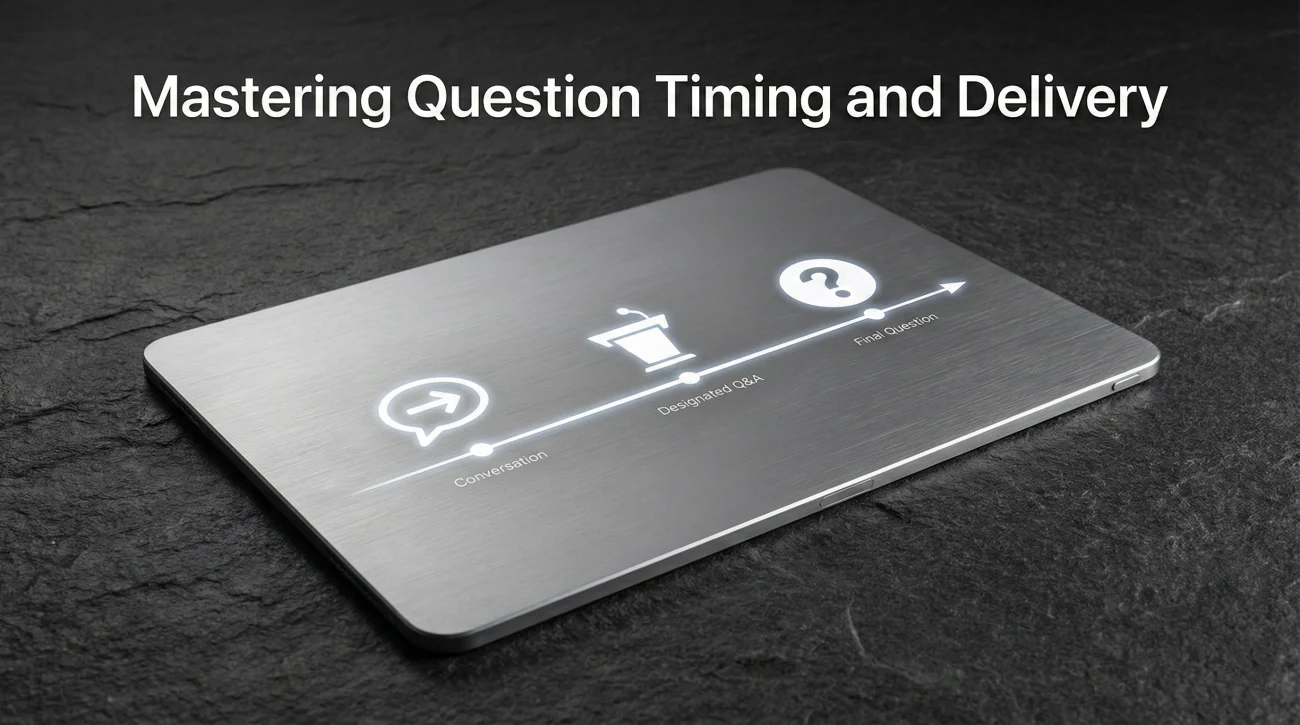
Most interviews include a designated “Do you have questions for me?” section at the end. But strong candidates also ask clarifying questions naturally throughout the conversation. If the interviewer mentions a recent reorganization, asking about it immediately shows active listening. Waiting until the end to ask about something discussed 30 minutes earlier seems disconnected.
- 🎯 During conversation: Clarifying questions that build on what they just said
- 💼 Designated Q&A: Strategic questions that demonstrate preparation
- ⏰ Final question: Bold questions like addressing concerns about your background
Delivery Best Practices
Frame questions conversationally rather than reading from a list. Make eye contact and engage with their answers rather than rushing to your next question. Take brief notes to show you value their responses. Follow up on interesting points they raise rather than sticking rigidly to your prepared questions.
Expert advice: Prepare more questions than you’ll have time to ask. This prevents awkward silence when they answer three of your five questions during their presentation.
❓ FAQ
🎯 How many questions should I prepare?
Prepare 8-10 questions but prioritize your top 3-5. Many questions get answered during the interview conversation. Having backup questions prevents awkward silence when they ask if you have questions and you’ve already covered your list. Quality beats quantity – one insightful question impresses more than five generic ones.
💼 Should I ask the same questions to every interviewer?
No. Customize questions based on the interviewer’s role and perspective. Ask technical leads about architecture and code quality. Ask managers about team dynamics and expectations. Ask executives about company strategy and market position. Asking everyone identical questions wastes opportunities to gather diverse insights.
⏰ What if the interviewer already covered my questions?
Acknowledge they addressed certain topics, then ask follow-up questions that dig deeper. For example, if they mentioned team challenges, ask what approaches they’ve tried to address them. This shows you listened actively and think critically about their responses rather than just checking questions off a list.
📋 Can I take notes during their answers?
Yes, brief note-taking is professional. Ask permission first with “Do you mind if I take notes?” Most interviewers appreciate candidates who want to remember details. Avoid writing so much that you break eye contact and conversational flow. Jot key points, not verbatim transcripts.
✨ What if I don’t understand industry-specific terminology in their answer?
Ask for clarification immediately rather than pretending to understand. Say “I’m not familiar with that term – could you explain it?” This demonstrates intellectual honesty and eagerness to learn. Pretending to understand and nodding along signals either dishonesty or unwillingness to admit knowledge gaps.
Final Thoughts
The questions you ask reveal as much about you as your answers to their questions. Generic questions suggest you’re interviewing everywhere and evaluating nothing carefully. Strategic questions demonstrate you’ve researched this specific company, understand the role’s context, and think critically about where you invest your career.
The best questions to ask interviewer accomplish multiple goals simultaneously. They uncover information you need to evaluate whether this opportunity aligns with your goals. They demonstrate your strategic thinking and preparation. They position you as someone who thinks beyond task completion to business impact and team success.
Prepare thoroughly, customize thoughtfully, and deliver conversationally. The investment in crafting strong questions pays dividends both in the information you gather and in the impression you make. Interviews are mutual evaluations, not one-sided interrogations. Your questions prove you take that evaluation seriously.
⚠️ Disclaimer: The interview strategies, sample answers, and negotiation tips provided in this guide are for educational purposes only. Hiring decisions are subjective and vary by company and industry. While these strategies are based on professional HR standards, they do not guarantee a specific job offer or result.