- Why Your Questions Matter: Your direct manager shapes your day-to-day reality, so smart questions uncover leadership style, expectations, and hidden issues job descriptions never show.
- Role Expectations: Ask for a real weekly picture, first 90-day priorities, and clear success metrics so you do not accept a role that is undefined or measured unfairly.
- Team And Culture: Clarify team structure, collaboration patterns, and communication habits to spot mismatches like constant interruptions, unclear ownership, or siloed work.
- Challenges And Resources: Identify the biggest pain points, why the role is open, and what tools, budget, and support exist so you know what you are actually signing up to solve.
- Manager Fit And What To Avoid: Probe autonomy, decision-making, mistake handling, and growth paths, then avoid low-effort or perk-first questions that can hurt your candidacy early.
Why Your Hiring Manager Questions Matter
The hiring manager controls your daily reality. While HR decides if you get hired, your direct manager determines whether you thrive or struggle once you start. Asking the right questions to ask hiring manager reveals critical information that job descriptions never mention – like whether your new boss micromanages every decision or ghosts the team for weeks.
Smart candidates treat the question phase as a diagnostic interview. You’re evaluating whether this manager’s leadership style, expectations, and priorities align with how you work best. The wrong match creates friction that no salary can compensate for. Beyond manager-specific questions, understanding the full range of questions to ask in an interview helps you evaluate opportunities comprehensively.
Getting Crystal Clear on Role Expectations
Job descriptions outline responsibilities in broad strokes. Your hiring manager defines what success actually looks like day-to-day. These questions for hiring manager interview cut through the corporate language to understand the real job.
Daily Responsibilities and Priorities
Understanding what to ask hiring manager about daily work prevents nasty surprises three weeks in. Ask what a typical week looks like, which tasks consume most of the time, and what fires you’ll be expected to put out regularly.
- 📊 “Walk me through what a typical week looks like in this role” – Forces concrete examples instead of generic descriptions
- 🎯 “What would be my top three priorities in the first 90 days?” – Reveals immediate expectations and pressure points
- ⚡ “Which tasks take up most of the time versus what the job description emphasizes?” – Uncovers reality gaps between advertised role and actual work
💡 Pro tip: Listen for hesitation when they describe daily work – it often signals the role isn’t clearly defined yet.
Performance Standards and Success Criteria
Every manager evaluates differently. Some care about process adherence, others only track results. Asking questions to ask direct manager about measurement criteria prevents misaligned expectations that tank your performance reviews.
| Question Focus | What It Reveals | Red Flag Answer |
|---|---|---|
| “How do you measure success for this role in the first six months?” | Specific KPIs vs vague hopes | “We’ll figure it out as we go” |
| “What does excellent performance look like versus just meeting expectations?” | Whether standards are achievable | Unrealistic multi-tasking demands |
| “How often do you conduct formal performance reviews?” | Feedback frequency and structure | “Only annual reviews” (no course correction) |
Understanding Team Structure and Culture
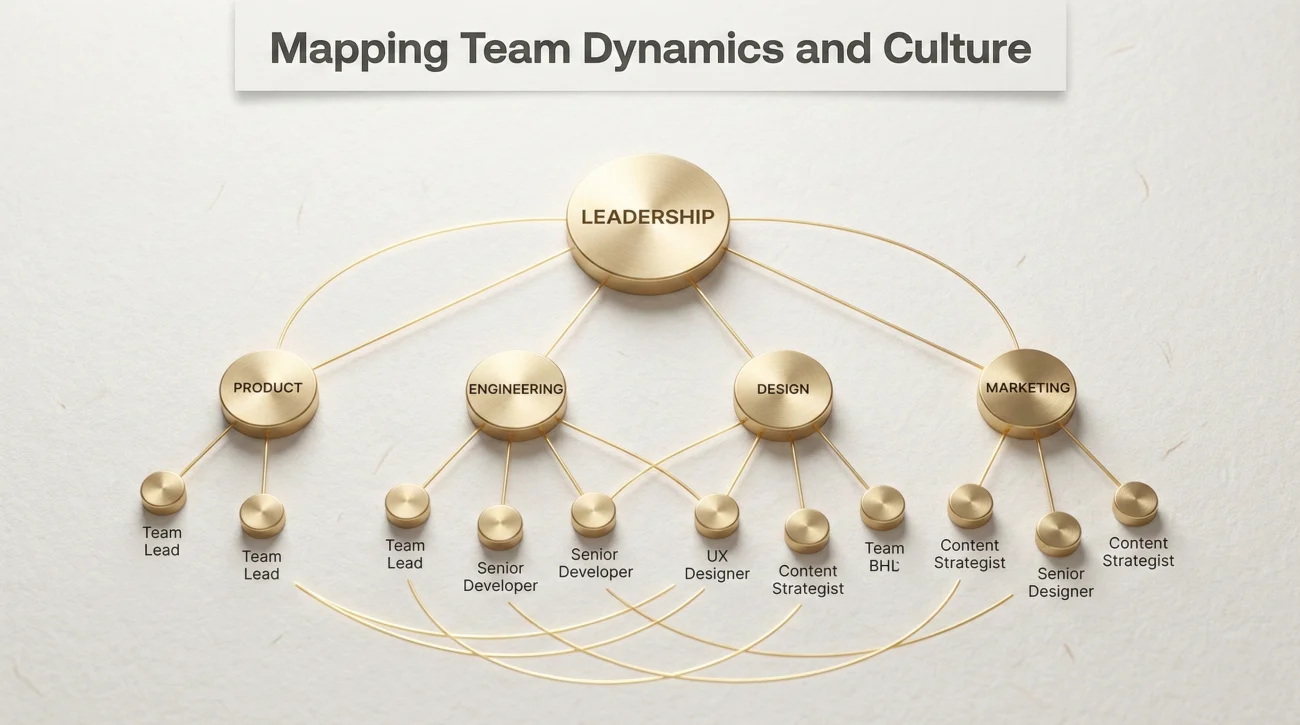
Your manager shapes the team environment you’ll work in daily. These questions uncover collaboration patterns, team health, and whether you’re walking into a functional group or a dysfunctional nightmare.
Team Size and Reporting Lines
Team structure determines your support network and workload distribution. A two-person team means no backup when someone’s out. A fifteen-person team might mean you’re a small cog in a larger machine.
- Ask about current team size and any planned changes
- Clarify who you report to directly versus dotted-line relationships
- Understand how work gets assigned and prioritized across the team
- Learn whether the team works together or operates in silos
Collaboration and Communication Patterns
Management style dictates everything from meeting frequency to decision-making speed. Some managers want daily standups and constant updates. Others prefer autonomous teams that sync weekly.
Expert advice: Ask “How do you prefer to communicate with your team – Slack, email, scheduled meetings, or drop-ins?” The answer reveals whether you’ll have uninterrupted focus time or constant interruptions.
Understanding manager interview questions to ask about communication prevents culture shock when your preferred work style clashes with theirs. If you need deep focus blocks but they expect instant responses, that’s a fundamental incompatibility.
Current Challenges and Available Resources
Every role comes with obstacles. Smart candidates identify them upfront rather than discovering problems after accepting the offer. These questions reveal what you’re actually signing up for.
Team Challenges and Pain Points
Managers hire to solve problems. Ask what problems they need solved, and you’ll understand both your real job and whether you’re equipped to handle it.
- 🔥 “What’s the biggest challenge the team is facing right now?”
- 🎯 “Why is this position being filled – is it new or a replacement?”
- ⚠️ “What obstacles might prevent me from succeeding in this role?”
Watch for vague answers about “growing pains” or “exciting challenges” – they often hide serious organizational dysfunction.
Tools, Budget, and Support Systems
Resources determine whether you can actually accomplish what they’re asking. A ambitious roadmap without budget, tools, or headcount means you’ll burn out trying to do three jobs.
| Resource Type | Question to Ask |
|---|---|
| Tools & Technology | “What tools and software will I have access to?” |
| Budget Authority | “Do I have budget authority for this role, and how much autonomy do I have?” |
| Training & Development | “What professional development opportunities exist for this role?” |
| Support Staff | “Will I have administrative support or access to specialized resources?” |
Evaluating Management Style and Philosophy
Your manager’s leadership approach determines your daily experience more than job title or salary. Understanding their style helps you decide if you’ll thrive or struggle under their direction.

Decision-Making and Autonomy
Some managers delegate authority and trust their team. Others require approval for every minor decision. Neither is inherently wrong, but mismatches create friction.
- Ask how much autonomy team members have in their work
- Understand what decisions require manager approval versus independent action
- Learn how they handle mistakes and course corrections
- Discover whether they prefer detailed updates or high-level summaries
Expert advice: Ask “Tell me about a time when someone on your team made a mistake. How did you handle it?” Their response reveals whether they coach through problems or assign blame.
Feedback Culture and Development
Growth-oriented managers provide regular feedback and coaching. Others wait for annual reviews to deliver surprises. Understanding their approach to development determines whether you’ll improve or stagnate.
Effective questions to ask hiring manager about feedback include asking how often they meet one-on-one with team members, what format feedback typically takes, and how they support career growth beyond the current role.
Position Context and Future Direction
Understanding why the position exists and where it’s headed reveals stability, growth potential, and hidden risks that job descriptions never mention.

Role History and Evolution
Whether this is a new position or a replacement tells you different things. New roles often lack clear definition but offer more influence over how they develop. Replacement roles have established expectations but raise questions about why the previous person left.
- 📋 “Is this a new position or am I replacing someone?”
- 🔄 “If replacing someone, what led to their departure?”
- 📈 “How has this role evolved over the past year?”
Multiple quick turnovers in the same role signal either unrealistic expectations or a toxic manager.
Growth Path and Future Opportunities
Smart managers think beyond the immediate role to how it develops. Ask where successful people in this position have advanced, what skills they developed, and how the role might expand over time.
Questions about career progression reveal whether this is a growth opportunity or a dead-end position. If the manager struggles to articulate advancement paths, that’s valuable information about limited upward mobility.
Strategic Questions That Impress
Beyond logistics and expectations, certain questions demonstrate strategic thinking and genuine interest in the company’s success. These questions position you as someone who thinks beyond task completion.

Business Priorities and Team Goals
Understanding how your role connects to broader company objectives shows big-picture awareness. Ask how the team’s work aligns with company strategy, what success looks like at the department level, and how priorities might shift based on business performance.
Expert advice: Frame questions around “How does this role contribute to [specific company initiative mentioned in research]?” It shows you’ve done homework and think strategically.
Next Steps and Timeline
Closing with practical questions about the hiring process demonstrates professionalism. Ask about timeline for decisions, next steps in the process, and whether they need any additional information from you.
- Clarify what happens after this conversation
- Understand decision timeline and when you should follow up
- Ask if there are concerns about your candidacy you can address
- Learn who else you’ll meet in subsequent rounds
Questions to Avoid Asking Hiring Managers
While most questions help you evaluate the opportunity, some damage your candidacy. Understanding what not to ask is as important as knowing what to ask.
| Bad Question | Why It Fails | Better Alternative |
|---|---|---|
| “What does your company do?” | Shows zero research effort | “How does your team’s work support [specific company initiative]?” |
| “When can I get promoted?” | Signals you’re already thinking about leaving the role | “What does the typical career progression look like for this role?” |
| “How much vacation do I get?” | Early focus on time off seems unmotivated | Save for offer negotiation or ask HR |
| “Can I work from home?” | Asks before establishing value | “What’s the team’s approach to remote work and flexibility?” |
Never ask about salary, benefits, or perks in early conversations with the hiring manager – these topics belong in later stages or with HR.
❓ FAQ
🎯 How many questions should I ask the hiring manager?
Prepare 8-10 questions but prioritize the 3-5 most important ones. You likely won’t have time for everything, and some questions may be answered during the conversation. Quality matters more than quantity – asking one insightful question beats rattling off ten generic ones.
💼 When should I ask questions during the interview?
Most interviewers ask “Do you have any questions for me?” at the end, but you can also ask clarifying questions naturally throughout the conversation. Weaving questions into the dialogue demonstrates engagement. Save your most strategic questions for the designated Q&A time.
⏰ What if the hiring manager already answered my prepared questions?
Acknowledge that they covered certain topics, then ask follow-up questions that dig deeper. For example, “You mentioned the team’s biggest challenge is X. Can you tell me more about what you’ve already tried to address it?” This shows you were listening actively.
📋 Should I take notes when the hiring manager answers?
Brief note-taking is professional and shows you value their responses. Ask permission first: “Do you mind if I take a few notes?” Most managers appreciate candidates who want to remember details. Avoid writing so much that you break eye contact and lose conversational flow.
✨ How do I ask about red flags without seeming negative?
Frame potentially sensitive questions around growth and learning rather than problems. Instead of “Is this a toxic environment?” ask “How does the team handle conflict or disagreements?” The answer reveals culture while positioning you as someone focused on professional development rather than gossip.
Final Thoughts
The questions you ask your hiring manager reveal as much about you as your resume. Thoughtful questions demonstrate strategic thinking, genuine interest, and professional maturity. Generic questions suggest you’re going through the motions.
Mastering questions to ask hiring manager transforms the interview from interrogation to conversation. You’re not just answering their questions – you’re evaluating whether this manager, this team, and this role align with your career goals and work style. The wrong match costs you months or years of frustration, regardless of the job title or compensation package.
Prepare thoroughly, ask strategically, and listen carefully to both what they say and what they avoid saying. The hiring manager controls your daily reality once you start. Make sure you understand what that reality actually looks like before you accept the offer.
⚠️ Disclaimer: The interview strategies, sample answers, and negotiation tips provided in this guide are for educational purposes only. Hiring decisions are subjective and vary by company and industry. While these strategies are based on professional HR standards, they do not guarantee a specific job offer or result.