How They’ll Judge You
Every job comes with evaluation. Someone will assess your work, decide whether you’re meeting expectations, and influence your trajectory in the organization. Understanding how that evaluation works before you join is more important than most candidates realize.
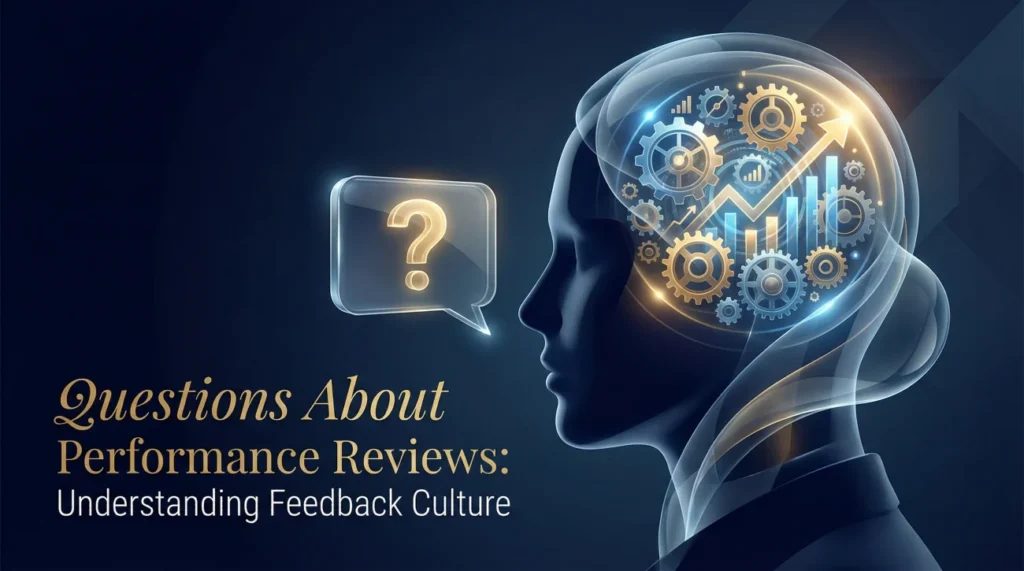
Asking questions about performance reviews reveals the feedback culture you’d be entering. Some organizations provide frequent, constructive feedback that helps you improve. Others conduct annual reviews that feel like surprise judgments. Same job, very different experiences depending on how performance is managed.
These questions also expose organizational maturity. Companies with thoughtful review processes have usually invested in management development. Companies with vague or nonexistent processes often have broader management problems that affect everything from assignments to promotions.
Why Review Culture Matters
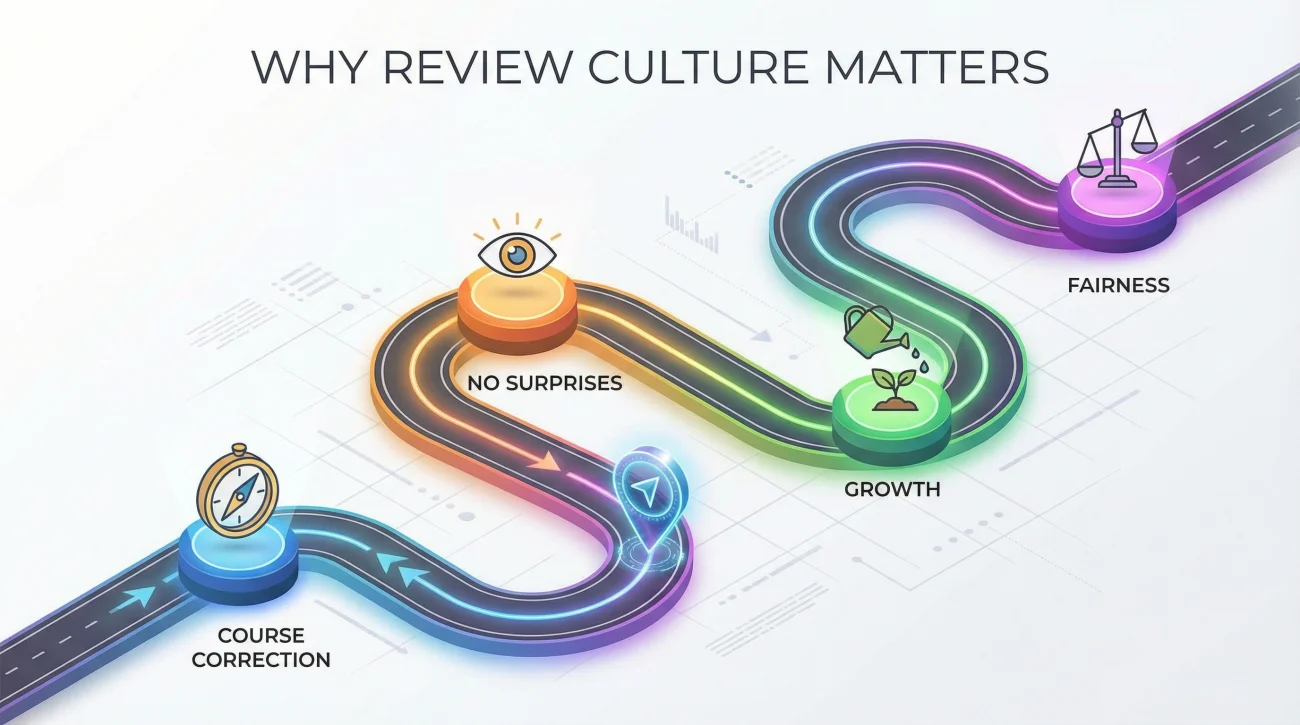
Course Correction Opportunities
Frequent feedback means you can adjust before problems become serious. If you only get feedback once a year, you might spend eleven months slightly off course before anyone tells you. That’s eleven months of potentially misdirected effort.
Avoiding Unpleasant Surprises
Nothing damages trust like a negative review that contradicts months of positive signals. Organizations with healthy feedback cultures don’t let people be surprised by evaluations. Problems are addressed as they arise.
Growth and Development
Good feedback cultures invest in helping people improve. Reviews become opportunities for development rather than just evaluation. The best environments treat reviews as collaborative conversations about growth.
Fairness and Transparency
Clear review criteria mean you understand the rules of the game. When evaluation standards are vague or inconsistent, success becomes political rather than performance-based. You want to work somewhere you control your own outcomes.
Questions to Ask
The Frequency Question
“How often do formal performance reviews happen? What does the process look like?”
Annual, semi-annual, and quarterly reviews all have different implications. More frequent formal reviews suggest greater attention to performance management. Ask what actually happens in these reviews and how long they typically take.
The Informal Feedback Question
“Outside of formal reviews, how does feedback typically happen on this team?”
Formal reviews are only part of the picture. Some teams have constant informal feedback through one-on-ones and daily interaction. Others barely communicate about performance between formal reviews. Understanding the full feedback ecosystem matters more than just knowing the review schedule.
The Criteria Question
“What criteria are used to evaluate performance? Are there standard rubrics or is it more subjective?”
Clear criteria help you know where to focus. Subjective evaluation means your success depends heavily on your manager’s personal standards and biases. Neither is automatically better, but you should understand which environment you’re entering.
The Input Question
“Who provides input for reviews? Is there peer feedback or just manager assessment?”
360-degree feedback from multiple sources provides more balanced evaluation. Manager-only assessment puts all power in one person’s hands. Understand who has influence over your evaluations.
Reading the Answers
| What They Say | Positive Interpretation | Concerning Interpretation |
|---|---|---|
| “Annual reviews” | Standard practice, supplemented by informal feedback | Only feedback you’d get all year |
| “Continuous feedback” | Regular constructive input, no surprises | Constant criticism, micromanagement |
| “We don’t do formal reviews” | Trust-based culture, ongoing dialogue | No structure, evaluation standards unclear |
| “It depends on the manager” | Flexibility for different styles | Inconsistent experience across teams |
| Clear rubrics described | Objective evaluation, clear expectations | Could be rigid or box-checking |
Absence of formal review process often means feedback happens through office politics rather than structured evaluation.
Feedback Culture Indicators
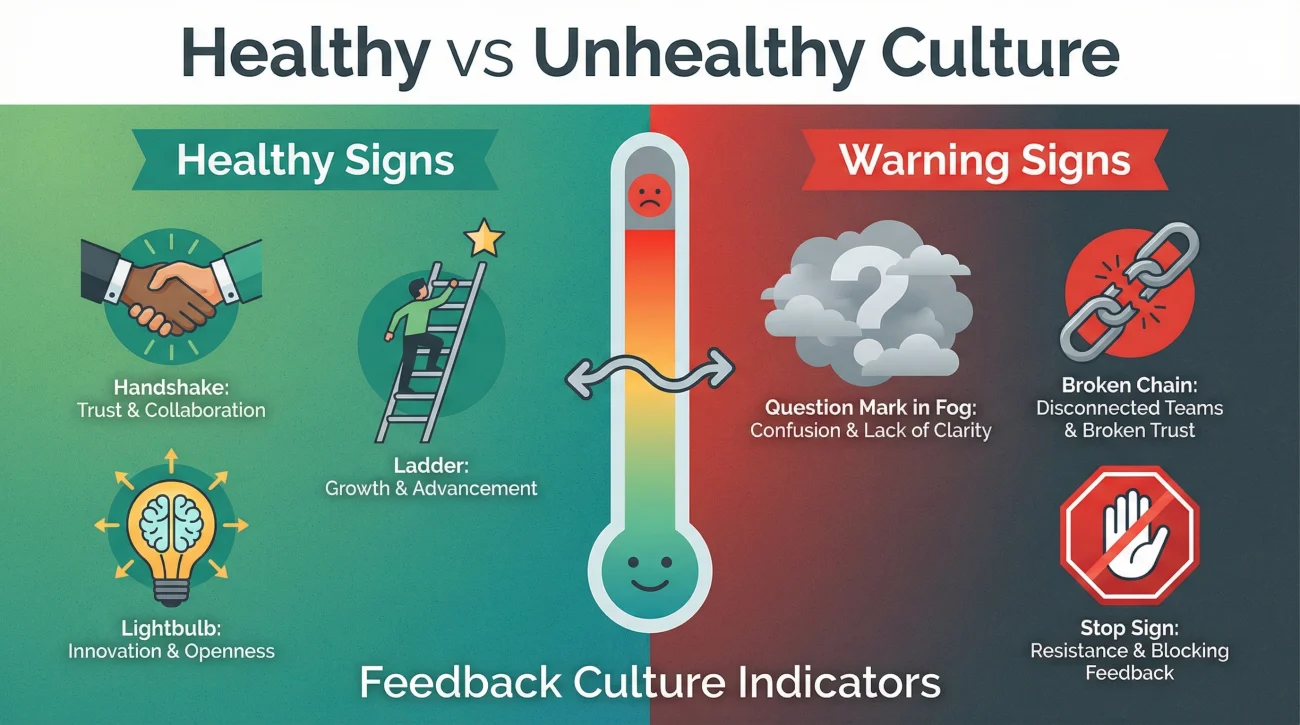
Signs of Healthy Culture
- Clear, consistent evaluation criteria across the organization
- Regular one-on-ones between managers and direct reports
- Feedback flows in multiple directions, not just top-down
- Review outcomes are used for development, not just judgment
- Poor performers are addressed rather than tolerated indefinitely
- Recognition happens publicly and frequently
Warning Signs
- Vague answers about how evaluation works
- Reviews described as painful or dreaded
- No clear connection between performance and outcomes
- Stories of surprise negative reviews
- Heavy reliance on one person’s subjective judgment
- Review process changes frequently or unpredictably
For additional evaluation strategies, see our comprehensive interview questions guide.
Performance and Advancement
The Connection Question
“How do performance reviews connect to promotions and compensation decisions?”
Some organizations have clear paths from strong reviews to advancement. Others make promotion decisions through different processes entirely. Understanding the connection helps you know whether excelling in reviews actually leads somewhere.
Promotion Timelines
“What does the typical timeline look like for advancement in this role?”
Understanding expected progression helps you assess whether the growth trajectory matches your ambitions.
Potential Blockers
“What typically prevents people from advancing?”
This reveals organizational constraints on growth. Budget limitations, flat structures, or unclear criteria all affect your advancement prospects regardless of performance.
Manager-Specific Questions
Since your direct manager has enormous influence on your evaluation, ask them directly about their approach.
Personal Style
- “How do you typically deliver feedback to your direct reports?”
- “How often would we have one-on-ones?”
- “What’s your approach when someone is underperforming?”
Expectations
- “What would distinguish good performance from great performance in this role?”
- “What have been your biggest frustrations with previous people in similar roles?”
- “What would make you feel like hiring me was a great decision?”
Connecting Reviews to Compensation
Salary Increases
“How are salary increases typically determined? What role do performance reviews play?”
Some organizations tie raises directly to review outcomes. Others have separate processes. Understanding the connection tells you whether excelling in reviews actually affects your compensation or is merely symbolic.
Bonus Structures
“Is there a bonus component? How is it calculated and how does performance factor in?”
Performance-based bonuses create different incentives than guaranteed bonuses or no bonuses at all. Understand what portion of your compensation depends on evaluation outcomes.
Equity and Long-Term Compensation
For roles with equity:
“How do performance reviews affect equity grants or vesting?”
Some companies use performance reviews to determine ongoing equity grants. Understanding this connection helps you assess the total compensation impact of strong or weak reviews.
Review Timing and Comp Cycles
“When do reviews happen relative to compensation decisions?”
If reviews happen separately from compensation cycles, there might be a disconnect between feedback and financial outcomes. Understanding the timing helps you know when and how your performance converts to compensation changes.
❓ FAQ
🎯 Should I worry if they only do annual reviews?
Not necessarily. Annual formal reviews are common. What matters more is whether informal feedback happens regularly between reviews. Ask about one-on-ones and ongoing feedback practices to get the complete picture.
💼 What if they say reviews are “just a formality”?
This could mean feedback happens more naturally through ongoing dialogue, which is positive. Or it could mean no one takes performance management seriously, which is concerning. Ask follow-up questions about how feedback actually occurs.
⏰ How do I ask about review culture without seeming paranoid?
Frame it as wanting to understand how to succeed: “I want to make sure I understand how performance is evaluated here so I can focus my efforts effectively.” This sounds ambitious rather than defensive.
📋 What if different interviewers give different answers about reviews?
Inconsistency might reflect decentralized practices where each manager does things differently. It might also indicate confusion about organizational processes. Either is useful information about what to expect.
✨ Should I ask to see review templates or criteria?
This is reasonable to request during the offer stage if you want detailed understanding of evaluation criteria. Some companies share this openly; others consider it confidential. Either response tells you something about transparency.
Know How You’ll Be Measured
Asking questions about performance reviews reveals the feedback culture that will shape your experience. Understand the review frequency, the criteria used, who provides input, and how reviews connect to advancement. Look for signs of healthy feedback culture and watch for warning signs of dysfunction. Your success depends not just on doing good work, but on whether that work is recognized and evaluated fairly. Know the system before you enter it.
⚠️ Disclaimer: The interview strategies, sample answers, and negotiation tips provided in this guide are for educational purposes only. Hiring decisions are subjective and vary by company and industry. While these strategies are based on professional HR standards, they do not guarantee a specific job offer or result.