The Truth Trap That Ruins Reputations
An exit interview feels like a safe space to finally speak freely. Your boss is terrible? Say it. The culture is toxic? Document it. HR is asking, so they must want honesty, right?
Wrong. After 12 years in HR, I can tell you exactly where your exit interview feedback goes: into a file, occasionally summarized for leadership, and sometimes right back to the manager you just complained about.
Expert Advice: Exit interviews are not confidential therapy sessions. They’re documented conversations that can follow you through reference checks, industry networks, and unexpected reunions years later.
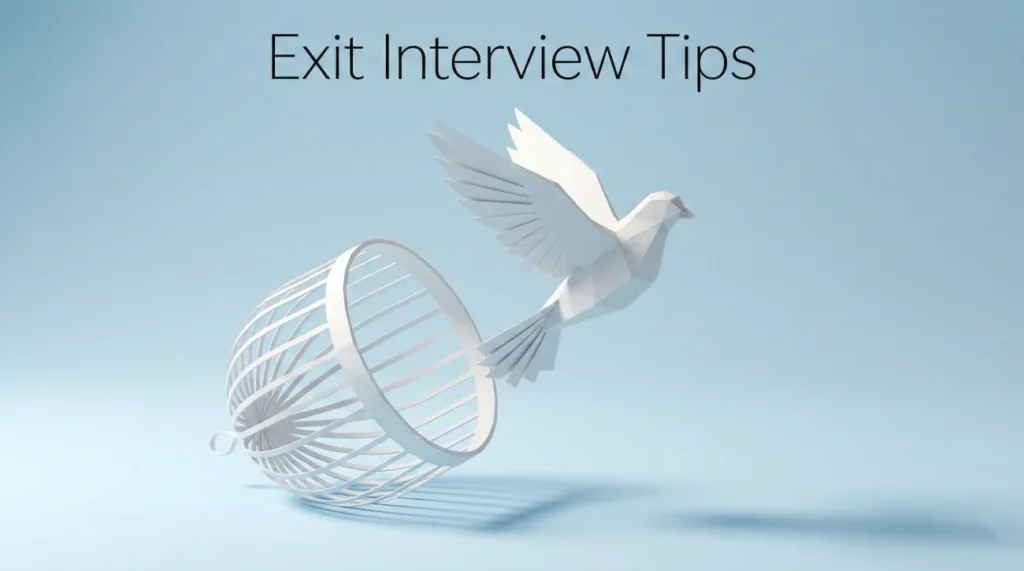
The best exit interview tips I can give you? Treat it like a professional conversation, not a confession booth.
What HR Actually Does With Your Feedback
Understanding the process helps you calibrate what to share.
The Typical Process
HR collects exit interview data, looks for patterns, and reports trends to leadership. If five people mention the same manager, that’s actionable intelligence. If one person vents for an hour, that’s filed as personal grievance.
| What You Say | What HR Records | Who Might See It |
|---|---|---|
| “My manager micromanaged every task” | Management style concerns | Your manager, their manager, future reference checkers |
| “Compensation wasn’t competitive” | Salary benchmark issue | HR leadership, compensation committee |
| “The CEO is incompetent” | Employee expressed frustration with leadership | Legal file, senior executives |
| “I found a better opportunity” | Career advancement | Generally not flagged |
Warning: In smaller companies, “confidential” feedback often reaches the subject within days. Assume nothing stays private.
What to Say (Safe Topics)
Some feedback helps the company without hurting you. Focus here.

Constructive Topics
- ✅ Process improvements: “The onboarding could include more technical training”
- ✅ Resource needs: “The team would benefit from updated software”
- ✅ Career development: “More visibility into promotion criteria would help retention”
- ✅ Positive experiences: “The mentorship program was genuinely valuable”
A former colleague gave feedback about documentation gaps during her exit interview. No blame, just observation. The company implemented better knowledge sharing. She got credit for a positive contribution even after leaving.
“I focused my exit interview on what future employees would need to succeed. It felt more useful than complaining about what frustrated me personally. And I walked out with my reputation intact.”
What Not to Say (No Matter How Tempting)
Some truths cost more than they’re worth. Keep these to yourself.

Topics That Backfire
Personal attacks on specific people. Even justified criticism gets recorded as your opinion versus theirs. You’re leaving. They’re staying. Guess whose narrative wins?
Detailed salary information about your new job. Creates resentment, invites comparison, and sounds like gloating even when you don’t intend it.
Anything you’d be embarrassed to have repeated. Because it will be. Perhaps not tomorrow, but at an industry conference three years from now when you least expect it.
Warning: “Can you keep this between us?” has no legal weight in exit interviews. HR’s obligation is to the company, not to you.
The Manager Question
When asked about your manager, stay strategic. Your thoughts on interview best practices should extend to exit interviews too. Speak about experiences, not personalities.
- Instead of: “John was a terrible manager who played favorites”
- Say: “I would have appreciated more transparent criteria for project assignments”
Can You Skip the Exit Interview?
Yes. Exit interviews are almost never mandatory, despite how HR phrases the invitation.
When Declining Makes Sense
If you’re leaving due to serious issues like harassment or discrimination that you’ve already reported, an exit interview adds risk without benefit. If you’re leaving for a competitor, anything you say could be viewed through a suspicious lens.
Expert Advice: A polite decline citing “schedule constraints” is perfectly acceptable. No explanation needed. Your obligation ended when you resigned.
How to Decline Gracefully
“Thank you for the offer to participate. Unfortunately, my transition timeline is quite compressed. I wish the team continued success.”
Short, professional, final. No drama required.
Written Versus Verbal Exit Interviews
The format affects how careful you need to be.
Format Comparison
Written surveys: Permanent record, easily searchable, often stored in HR systems for years. Be especially careful. Read questions fully before answering. Consider leaving optional fields blank.
Verbal conversations: Someone takes notes, but paraphrasing softens edges. Still documented, but less precise. Slightly more room for nuance.
💡 Pro Tip: If given a choice, verbal interviews give you more control over tone and context. You can gauge reactions and adjust accordingly.
❓ FAQ
🤔 Will my exit interview affect my reference?
Potentially. While HR typically only confirms dates and titles officially, informal networks share information. Managers talk. A bitter exit interview can color how people remember you.
📝 Should I prepare for an exit interview?
Briefly. Decide in advance what you will and won’t discuss. Having talking points prevents emotional venting in the moment.
🎯 What if they ask directly why I’m leaving?
“Career growth opportunity” works for almost every situation. It’s true enough, vague enough, and invites no follow-up drama.
⚖️ Can exit interview feedback be used legally?
Yes. Exit interview statements can be subpoenaed in legal proceedings. If you’re leaving due to potential legal issues, consult an attorney before participating.
💼 Should I mention if I’m going to a competitor?
Avoid specifics. Simply saying “another opportunity in the industry” suffices. Naming competitors can trigger non-compete concerns or unnecessary tension.
Final Thoughts
The most valuable exit interview tips center on one principle: protect your future, not process your past. Venting feels good for five minutes. A damaged reputation lasts years.
Say something useful if you can. Say something positive if possible. Say nothing harmful under any circumstances. Your exit interview is the last impression you leave. Make it forgettable in the best way.
⚠️ Disclaimer: The interview strategies, sample answers, and negotiation tips provided in this guide are for educational purposes only. Hiring decisions are subjective and vary by company and industry. While these strategies are based on professional HR standards, they do not guarantee a specific job offer or result.