Healthcare Administrator Interview Questions: What Employers Test
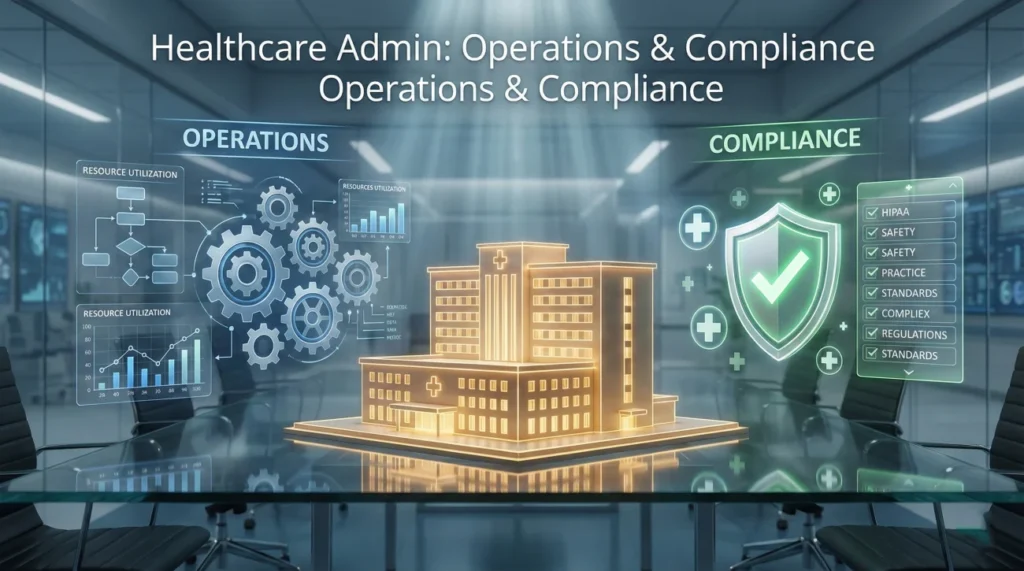
Healthcare administrator interview questions evaluate operational management including facility operations oversight, resource allocation, staff coordination across departments, and process improvement initiatives. Interviewers assess regulatory compliance knowledge across HIPAA privacy rules, workplace safety standards, accreditation expectations, and state licensing requirements. Questions test financial acumen through budgeting experience, cost reduction strategies, revenue cycle management, and financial reporting. Leadership competency includes team management, conflict resolution, strategic planning, and change management while demonstrating commitment to patient care quality, safety initiatives, and satisfaction improvement.
This guide covers operations and facility management, regulatory compliance and accreditation, financial management and budgeting, staff leadership and development, and quality improvement initiatives. Visit our complete interview guide for comprehensive preparation.
Operations and Facility Management
Q: Describe your approach to managing daily healthcare facility operations.
Systematic operations management ensures smooth facility functioning. Daily oversight includes morning huddles reviewing census, staffing levels, and priority issues, rounding through departments identifying operational concerns and supporting staff, and monitoring key metrics tracking patient flow, wait times, and satisfaction scores. Coordination activities involve interdepartmental communication ensuring alignment between nursing, physicians, ancillary services, and support departments, resolving bottlenecks addressing delays in admissions, discharges, or test results, and maintaining supplies ensuring adequate inventory without excess waste.
Strategic priorities balance short-term urgent needs with long-term improvement initiatives, patient safety ensuring protocols followed and incidents addressed immediately, and staff support providing resources and addressing concerns promptly. Use technology leveraging electronic health records for real-time information, analytics dashboards monitoring performance indicators, and communication systems facilitating rapid response. Document decisions maintaining records of operational changes, tracking improvement initiatives, and preparing reports for leadership demonstrating effective facility management optimizing resources while maintaining quality care delivery.
Q: How do you improve operational efficiency?
Process improvement requires data-driven systematic approach. Identify inefficiencies through staff feedback soliciting frontline input on workflow obstacles, data analysis examining metrics like length of stay, turnover time, or supply usage, and direct observation watching processes to identify waste or redundancy. Analyze root causes using tools like fishbone diagrams or 5 Whys methodology, benchmarking comparing performance to similar facilities, and engaging stakeholders understanding perspectives of all affected parties.
Implement solutions piloting changes on small scale first testing effectiveness before facility-wide rollout, providing training ensuring staff understand new processes, and monitoring outcomes tracking metrics to confirm improvement achieved. Examples include streamlining patient discharge reducing length of stay by standardizing discharge criteria and early planning, optimizing scheduling implementing block scheduling or predictive analytics reducing OR idle time, and automation digitizing manual processes like inventory management or appointment reminders. Sustain improvements through continuous monitoring, regular audits, and staff accountability maintaining gains long-term.
Q: Describe handling a staffing shortage crisis.
Staffing challenges require immediate and strategic responses. Immediate actions include calling in PRN or per diem staff maintaining roster of available backup personnel, adjusting assignments redistributing patients to available staff safely, and postponing non-urgent activities rescheduling elective procedures if necessary to maintain safe ratios. Communication involves informing leadership escalating to executives about severity and impact, updating patients managing expectations about potential delays, and supporting staff acknowledging their extra effort during difficult circumstances.
<strong⚠️ Patient safety priority: Never compromise safe staffing standards. If unable to maintain safe staffing, divert admissions, close beds, or cancel elective cases rather than risk patient harm.
Long-term solutions include recruitment strategies partnering with staffing agencies, offering sign-on bonuses, and improving workplace culture reducing turnover, retention programs providing competitive compensation, career development, and recognition, and cross-training developing staff who can float between units increasing flexibility. Analyze patterns identifying recurring shortage causes like specific shifts or seasons developing targeted solutions preventing future crises.
Q: How do you prioritize competing demands?
Effective prioritization balances urgency with impact. Assessment framework considers patient safety issues requiring immediate attention always taking precedence, regulatory compliance addressing deficiencies before survey deadlines, and strategic importance evaluating alignment with organizational goals. Triage method categorizes urgent and important requiring immediate personal attention, important but not urgent scheduling dedicated time for strategic work, urgent but not important delegating to capable staff, and neither urgent nor important deferring or eliminating.
Communication strategies include transparency explaining prioritization rationale to stakeholders, setting expectations clarifying timelines for lower-priority items, and seeking input involving teams in priority-setting when appropriate. Use tools like project management software tracking multiple initiatives, delegation assigning tasks to appropriate team members, and time blocking protecting focused work time for high-priority strategic planning. Demonstrate flexibility reassessing priorities as situations change while maintaining focus on organizational mission and patient care quality.
Regulatory Compliance and Accreditation
Q: How do you ensure HIPAA compliance?
Privacy and security require comprehensive program. Training includes regular HIPAA education for all staff covering privacy rules, security protocols, and breach notification requirements, role-specific training providing targeted education for positions with greater access like IT or medical records, and ongoing reminders reinforcing best practices through newsletters or safety huddles. Technical safeguards implement access controls limiting information to minimum necessary for job functions, encryption protecting data transmission and storage, and audit logs tracking who accesses patient information identifying inappropriate access.
Policy enforcement includes written policies documenting procedures for handling PHI, disciplinary action addressing violations consistently, and vendor agreements ensuring business associates comply with HIPAA requirements. Monitor compliance through regular audits reviewing access logs and privacy practices, incident tracking documenting breaches or near-misses, and risk assessments identifying vulnerabilities in systems or processes. Respond to breaches following notification requirements, conducting investigation to prevent recurrence, and implementing corrective actions addressing root causes maintaining patient trust and avoiding costly penalties.
Q: Describe preparing for Joint Commission survey.
Accreditation readiness requires ongoing preparation. Review standards studying current Joint Commission requirements across all chapters, identifying gaps comparing practices to standards, and developing action plans addressing deficiencies before survey. Staff preparation includes education training on standards applicable to roles, mock surveys conducting practice tracers and document reviews, and empowering staff encouraging honest answers showing we identify and fix problems proactively.
Document management ensures policies and procedures current and accessible, competency files complete for all staff, and quality data available demonstrating performance improvement. Environment of care addresses safety rounds identifying hazards like blocked exits or expired medications, equipment maintenance ensuring preventive maintenance current, and emergency preparedness testing codes and disaster plans regularly. Survey strategy involves leadership presence ensuring administrators available during survey, tracer preparation identifying high-risk patients for potential review, and transparency acknowledging areas for improvement rather than defensiveness demonstrating culture of safety and continuous quality improvement.
Q: How do you stay current with regulatory changes?
Continuous learning maintains compliance. Professional development includes membership in professional organizations like ACHE or MGMA accessing resources and updates, attending conferences participating in compliance-focused sessions, and subscribing to publications receiving regulatory newsletters and journals. Networking involves peer connections discussing how other facilities address new requirements, consulting experts engaging legal counsel or compliance consultants for complex regulations, and participating in collaboratives joining quality improvement networks sharing best practices.
Internal systems establish compliance committee meeting regularly to review changes and implement responses, assign responsibility designating staff to monitor specific regulatory areas, and communicate updates disseminating information to affected departments promptly. Implementation process includes impact assessment evaluating how changes affect current practices, policy revision updating written procedures, and training delivery educating staff on new requirements ensuring organization adapts quickly maintaining compliance and avoiding citations or penalties.
Q: Describe managing a compliance violation.
Violations require swift transparent response. Immediate action includes stopping violation halting problematic practice immediately, securing evidence preserving documentation and information, and notifying appropriate parties informing leadership, legal counsel, and regulatory agencies as required. Investigation involves gathering facts interviewing involved staff, reviewing policies and procedures, and determining root cause identifying why violation occurred not just who responsible.
Corrective action develops remediation plan addressing underlying issues, implements changes revising policies, providing training, or modifying systems, and monitors effectiveness ensuring violation doesn’t recur. Reporting obligations include self-disclosure reporting to regulators when required, transparency with stakeholders informing board and affected parties, and documentation maintaining records of investigation and corrective actions. Prevention focuses on systemic improvement strengthening compliance infrastructure, enhancing monitoring detecting future issues earlier, and fostering culture encouraging staff to report concerns without fear of retaliation demonstrating commitment to ethical practice and patient safety.
Financial Management and Budgeting
Describe your budgeting experience.
Budget development requires strategic planning and stakeholder engagement. Preparation phase includes reviewing historical data analyzing previous years’ performance, forecasting volume projecting patient census and service utilization, and identifying assumptions documenting inflation rates, wage increases, and strategic initiatives. Revenue planning estimates reimbursement based on payer mix and anticipated rate changes, projects new programs or services, and considers market factors affecting patient volumes. Expense planning includes personnel costs largest budget component requiring careful staffing projections, supplies and services negotiating contracts and estimating consumption, and capital equipment prioritizing necessary purchases within available funds.
Stakeholder engagement involves department input soliciting needs from managers, leadership approval presenting to executives and board, and communication cascade ensuring staff understand budget constraints and priorities. Monitoring includes monthly variance analysis comparing actual to budget explaining significant differences, forecasting updates revising projections based on year-to-date trends, and corrective action implementing cost containment when revenue falls short. Demonstrate specific examples mentioning dollar amounts managed, improvement initiatives showing cost savings achieved, and outcomes highlighting maintained quality despite financial constraints.
How do you reduce costs without compromising quality?
Strategic cost reduction targets waste not value. Supply chain optimization includes contract negotiation leveraging group purchasing power, utilization review eliminating unnecessary or preference items, and standardization reducing SKU variation. Labor efficiency through scheduling optimization matching staffing to census patterns, productivity improvement eliminating inefficient processes, and overtime reduction through better planning avoiding premium pay. Revenue cycle enhancement accelerates billing reducing days in accounts receivable, improves coding capturing appropriate reimbursement, and reduces denials preventing payment losses.
Technology investment may increase upfront costs but generates long-term savings through automation reducing manual labor, clinical decision support preventing errors and complications, and telehealth expanding access efficiently. Engage frontline staff soliciting cost-saving ideas from those doing work daily, sharing financial information helping staff understand impact of waste, and recognizing contributions celebrating successful initiatives. Monitor quality metrics ensuring cost reductions don’t harm patient outcomes, maintaining safety standards, and preserving patient satisfaction demonstrating fiscally responsible leadership protecting organizational sustainability while maintaining care excellence.
Describe managing financial challenges during crisis.
Crisis management requires decisive action and transparency. Assess situation analyzing revenue loss and expense increases, projecting cash flow determining sustainability, and identifying critical needs protecting essential services. Immediate actions include cost containment freezing hiring and discretionary spending, accelerating collections pursuing outstanding receivables, and securing financing exploring lines of credit or emergency funding. Strategic reductions target administrative overhead reducing non-clinical costs first, delay capital projects postponing non-essential investments, and program evaluation suspending unprofitable services if necessary.
Communication maintains trust explaining situation honestly to staff and stakeholders, sharing decisions transparently showing rationale for difficult choices, and providing updates regularly keeping organization informed. Protect mission by maintaining core services ensuring patient access to essential care, preserving quality avoiding shortcuts that compromise outcomes, and supporting staff preventing burnout during increased stress. Recovery planning includes rebuilding reserves restoring financial cushion gradually, evaluating changes determining which crisis measures to maintain permanently, and strengthening resilience improving systems to weather future challenges demonstrating leadership through difficulty protecting both financial health and organizational values.
Staff Leadership and Quality Improvement
Q: How do you develop and lead healthcare teams?
Effective leadership builds high-performing teams. Recruitment includes identifying needs assessing skill gaps, selecting candidates evaluating both technical competence and cultural fit, and onboarding providing comprehensive orientation. Development opportunities include continuing education supporting conference attendance and certifications, leadership training preparing future managers, and mentoring providing guidance and career coaching. Performance management sets clear expectations defining goals and standards, provides regular feedback conducting meaningful evaluations, and addresses issues promptly correcting performance problems.
Engagement strategies involve recognition celebrating achievements publicly, autonomy empowering staff in decision-making, and communication maintaining open dialogue through town halls and skip-level meetings. Build culture of safety encouraging error reporting without blame, of excellence expecting high standards, and of teamwork fostering collaboration across departments. Handle conflict through mediation facilitating discussions between parties, coaching developing conflict resolution skills, and decisive action addressing toxic behavior promptly. Demonstrate leadership through visibility being present and accessible, authenticity admitting mistakes and showing vulnerability, and advocacy supporting staff needs to administration.
Q: Describe a quality improvement initiative you led.
Quality improvement requires structured methodology. Use PDSA cycle (Plan-Do-Study-Act) or similar framework. Identify problem through data analysis examining metrics like infection rates or readmissions, staff input gathering frontline perspective, and patient feedback understanding experience. Develop intervention based on evidence reviewing literature for best practices, engaging stakeholders involving those affected by change, and setting goals defining measurable targets.
Implementation includes pilot testing on small scale first, training preparing staff for new processes, and monitoring collecting data to evaluate impact. Measure outcomes comparing before and after data, assessing sustainability ensuring improvement maintained over time, and spreading success scaling effective interventions facility-wide. Example: “Reduced CAUTI rates through bundle implementation, including daily necessity assessment, proper insertion technique, and early removal prompts.” Show impact with specific metrics, describe challenges encountered and how overcome, and discuss lessons learned applying to future initiatives demonstrating continuous improvement mindset essential for healthcare leadership.
Q: How do you handle underperforming staff?
Performance issues require clear direct approach. Identify problem through objective data documenting specific behaviors or outcomes, not personality, feedback from others gathering input from supervisors or colleagues, and personal observation witnessing issues firsthand. Initial conversation addresses issue privately discussing concerns, seeks understanding asking about barriers or challenges, and sets expectations clarifying required performance improvement.
Performance improvement plan documents deficiencies specifically describing gaps, establishes goals setting measurable targets, provides support offering resources like training or mentoring, and sets timeline defining review periods. Follow-up includes regular check-ins monitoring progress, adjusting support adding resources if needed, and documenting everything maintaining written record. Resolution involves recognizing improvement celebrating progress when standards met, or progressive discipline implementing warnings if performance doesn’t improve, potentially leading to termination if necessary. Balance accountability with compassion understanding personal circumstances while maintaining standards, being consistent treating all staff fairly, and focusing on mission ensuring team delivers quality patient care.
Q: Describe managing organizational change.
Change management requires strategic approach. Assessment includes readiness evaluation determining organizational capacity for change, stakeholder analysis identifying supporters and resisters, and risk assessment anticipating potential obstacles. Planning involves clear vision articulating why change necessary and future state, communication strategy developing messages for different audiences, and resource allocation ensuring adequate support for implementation.
Implementation uses phased approach rolling out gradually rather than big bang, champions network identifying and empowering change advocates, and quick wins celebrating early successes building momentum. Address resistance through listening understanding concerns without dismissing, involving skeptics giving voice and role in shaping change, and persistence maintaining course despite setbacks. Sustain change by embedding in culture making new way standard practice, measuring outcomes demonstrating results, and continuous improvement refining based on feedback. Example: “Led EMR implementation affecting 500 staff through extensive training, superuser support, and go-live optimization” showing ability to manage complex organizational transformation essential for healthcare administrator role.
Healthcare Administration Competency
20 Practice Questions
1. HIPAA protects?
- Patient health information privacy
- Employee records
- Financial statements
- Facility maintenance logs
2. Joint Commission surveys focus on?
- Financial performance only
- Patient safety, quality standards, compliance
- Marketing effectiveness
- Employee satisfaction only
3. Operational efficiency improvement requires?
- Cutting all costs immediately
- Data analysis, process improvement, monitoring
- Adding more staff
- Ignoring frontline input
4. Staffing shortage immediate response?
- Call PRN staff, adjust assignments safely
- Force overtime for everyone
- Ignore patient safety ratios
- Close facility
5. Budget variance analysis examines?
- Actual vs budgeted performance
- Last year only
- Competitor spending
- Stock prices
6. Quality improvement uses?
- Guesswork only
- PDSA cycle, data analysis, evidence-based practices
- Copying other facilities blindly
- No measurement needed
7. Compliance violation requires?
- Hiding from regulators
- Stop violation, investigate, correct, report if required
- Blame individuals only
- Ignore and continue
8. Performance improvement plan includes?
- Specific deficiencies, goals, support, timeline
- Vague complaints
- Immediate termination
- No documentation
9. Change management requires?
- Forcing changes without input
- Clear vision, communication, stakeholder engagement
- Surprising staff
- No planning needed
10. Cost reduction should?
- Compromise patient safety
- Target waste while maintaining quality
- Cut all staff
- Eliminate necessary services
11. Regulatory updates require?
- Continuous monitoring, policy updates, staff training
- Ignoring until survey
- No action needed
- Annual review only
12. Staff development includes?
- Hiring only
- Continuing education, mentoring, career advancement
- No training after orientation
- Criticism only
13. Priority setting considers?
- Patient safety, regulatory compliance, strategic importance
- Personal preferences
- Easiest tasks first
- Random selection
14. Healthcare administrator role includes?
- Clinical practice only
- Operations, compliance, finance, leadership
- IT management only
- No patient care focus
15. PDSA cycle stands for?
- Plan-Do-Study-Act
- Prepare-Deploy-Schedule-Analyze
- Policy-Document-Submit-Approve
- Patient-Doctor-Staff-Administrator
16. Team conflict resolution requires?
- Taking sides
- Listening, mediation, addressing root causes
- Ignoring issues
- Firing everyone involved
17. Financial crisis response includes?
- Cost containment, strategic reductions, transparent communication
- Panic and resignation
- Hiding from stakeholders
- Eliminating all programs
18. Accreditation preparation involves?
- Last-minute cramming
- Ongoing compliance, staff education, mock surveys
- Hiding problems
- No preparation needed
19. Operations management includes?
- Daily oversight, coordination, problem-solving
- Delegating everything
- Office work only
- No staff interaction
20. Healthcare administrator education typically includes?
- No specific degree
- Bachelor’s or master’s in healthcare administration or a related field (often preferred)
- Medical degree only
- High school diploma
❓ FAQ
🎯 How do I demonstrate leadership without direct healthcare experience?
Highlight transferable leadership skills from other industries including team management, budget oversight, process improvement, and change management. Emphasize MHA coursework and healthcare-specific internships or projects. Show passion for healthcare mission and quick learning ability. Many successful administrators transition from other sectors bringing fresh perspectives and business acumen.
🚀 What metrics should I discuss for operational success?
Reference concrete metrics like patient satisfaction scores (HCAHPS), length of stay, readmission rates, staff turnover percentage, budget variance, revenue per patient day, and quality indicators like infection rates or medication errors. Demonstrate data literacy and outcomes-focused mindset showing how you use metrics to drive improvement not just report numbers.
💼 How do I address lack of specific regulatory knowledge?
Acknowledge learning curve while demonstrating understanding of major regulations like HIPAA, Joint Commission standards, and OSHA requirements. Emphasize systematic approach to staying current through professional organizations, conferences, and compliance networks. Show how you’ve quickly mastered regulatory requirements in past roles demonstrating ability to learn complex frameworks.
📚 Should I bring specific improvement project examples?
Absolutely – prepare 2-3 detailed examples using STAR method showing Situation, Task, Action, and Result with specific metrics. Include quality improvement, cost reduction, or process efficiency projects. Bring one-page summaries or visualizations if helpful. Concrete examples demonstrate capability far better than theoretical knowledge showing you deliver results not just understand concepts.
🌐 How do I discuss balancing quality and cost pressures?
Frame as shared goal not competing priorities – sustainable quality requires financial health. Discuss targeting waste not value, using data to identify inefficiencies, and engaging staff in solutions. Give specific example where you reduced costs while maintaining or improving quality metrics. Emphasize long-term thinking avoiding short-term cuts that create bigger problems later demonstrating strategic leadership mindset.
Final Thoughts
Success with healthcare administrator interview questions requires demonstrating operational expertise managing complex facility systems, comprehensive regulatory knowledge ensuring compliance with HIPAA and accreditation standards, financial acumen through budgeting and cost management, effective leadership developing high-performing teams, and commitment to quality improvement using data-driven approaches. Focus on concrete examples with measurable outcomes, understanding of healthcare-specific challenges, and strategic thinking balancing competing priorities.
Employers value administrators who combine business skills with healthcare passion, lead through change while maintaining stability, communicate effectively across clinical and non-clinical stakeholders, and demonstrate ethical decision-making protecting both patients and organization. Prepare by organizing project examples using STAR method, reviewing current regulatory requirements, researching organization’s quality metrics and strategic priorities, and practicing articulating leadership philosophy showing genuine interest in contributing operational excellence, regulatory expertise, financial stewardship, and strategic vision to their healthcare team.
⚠️ Disclaimer: The interview strategies, sample answers, and negotiation tips provided in this guide are for educational purposes only. Hiring decisions are subjective and vary by company and industry. While these strategies are based on professional HR standards, they do not guarantee a specific job offer or result.