Landing Your Medical Social Work Role
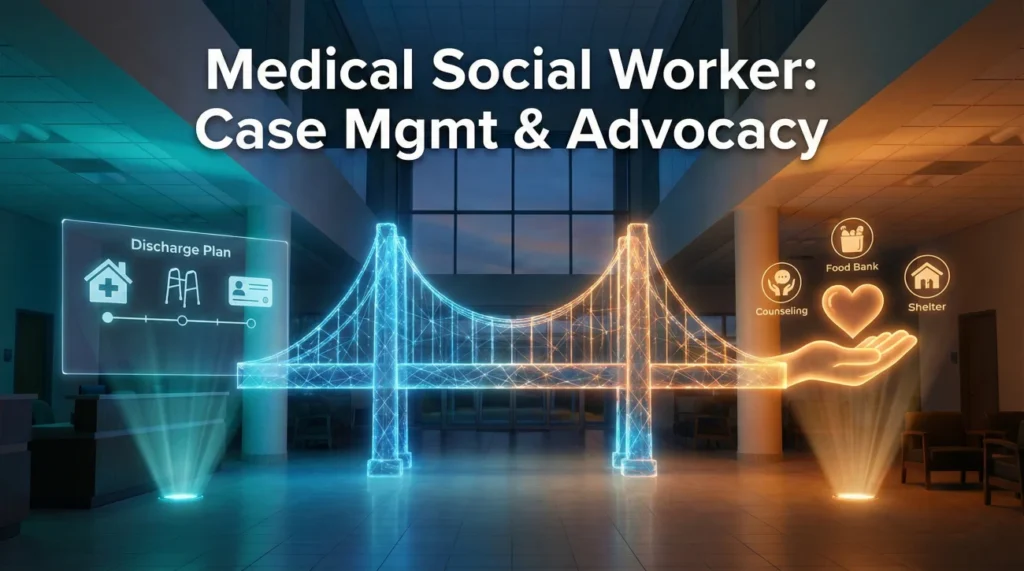
Medical social worker interview questions evaluate your ability to address psychosocial needs within healthcare settings. Interviewers assess discharge planning expertise, case management skills, patient advocacy abilities, crisis intervention experience, and interdisciplinary collaboration. Successful candidates demonstrate empathy balancing compassion with professional boundaries, systems knowledge navigating insurance and community resources, cultural competence serving diverse populations, ethical decision-making managing complex situations, and resilience maintaining effectiveness despite emotional demands of healthcare social work.
This guide examines discharge planning processes, case management methodologies, advocacy strategies, team collaboration techniques, and self-care practices preventing burnout. Build your foundation with social work career preparation tools.
Discharge Planning Fundamentals
Walk through your discharge planning process for a complex patient.
Comprehensive assessment begins early identifying discharge needs during admission not waiting until day before release. Medical factors include treatment timeline understanding expected length of stay and recovery trajectory, equipment needs determining if oxygen, wheelchair, or medical supplies required, and medication regimen ensuring patient can afford and manage prescriptions safely. Psychosocial evaluation assesses cognitive status checking if patient can follow care instructions and make medical decisions, emotional state screening for depression or anxiety affecting compliance, and support system identifying family or friends available to assist.
Environmental assessment conducts home evaluation either through interview or home visit checking accessibility including stairs, bathroom layout, and doorway widths, safety hazards identifying fall risks or fire dangers, and neighborhood resources locating nearby pharmacies, grocery stores, and medical facilities. Care coordination arranges services scheduling home health nursing, physical therapy, or occupational therapy, obtains durable medical equipment ordering hospital bed, commode, or walker ensuring delivery before discharge, and connects community resources linking to Meals on Wheels, transportation services, or support groups. Family education teaches care techniques demonstrating wound care, medication administration, or transfer assistance, provides written instructions creating clear discharge summary and emergency contacts, and schedules follow-up confirming appointments with physicians and specialists ensuring continuity of care preventing readmissions.
How do you handle discharge when family disagrees with plan?
Conflict resolution prioritizes patient safety and autonomy. Understanding concerns uses active listening asking open-ended questions to explore family’s specific worries, validates emotions acknowledging fear or frustration without being defensive, and gathers information learning about family dynamics, cultural beliefs, or past experiences influencing resistance. Providing education clarifies medical situation explaining physician’s assessment and prognosis, outlines alternatives discussing skilled nursing facility, rehabilitation center, or enhanced home care options with honest pros/cons of each, and addresses misconceptions correcting misunderstandings about insurance coverage or service availability.
Collaborative problem-solving involves family in planning asking “What would make you feel more comfortable with discharge?” showing respect for their input, explores compromises like trial period at home with intensive home health seeing if arrangement works before committing long-term, and consults interdisciplinary team bringing physician, nurse, therapist to family meeting providing unified message and medical expertise. Documentation importance records family concerns and recommendations made protecting yourself legally, notes patient’s wishes when patient has capacity respecting their self-determination, and escalates appropriately involving ethics committee when irreconcilable conflict between patient safety and family demands recognizing some situations require administrative or legal intervention beyond social work scope.
Case Management Excellence
Psychosocial Assessment Skills
Q: How do you assess a patient’s psychosocial needs?
Holistic evaluation examines multiple life domains. Interview process builds rapport establishing trust through empathetic listening and a nonjudgmental stance, asks open-ended questions that let the patient describe concerns in their own words, and observes nonverbal cues (affect, pace of speech, grooming) that add context. Mental health screening may use standardized tools like PHQ-9 for depression or GAD-7 for anxiety to gauge symptom severity, explores coping strategies (healthy supports versus maladaptive patterns such as substance use), and flags immediate safety concerns when indicators appear. When red flags show up, follow hospital protocol – loop in the appropriate clinical team, document observations objectively, and help coordinate timely supports.
Social determinants exploration addresses housing stability checking if patient has safe place to live or facing eviction, food security determining if affording nutritious meals or relying on food banks, and financial resources assessing income, insurance coverage, and ability to pay for medications or copays. Cultural considerations understand health beliefs learning how cultural background affects treatment preferences, language barriers arranging professional interpreters not using family members for medical discussions, and spiritual needs connecting to chaplain or religious community when important to patient. Strengths-based approach identifies patient’s assets focusing on resilience, support systems, and past successes building on existing strengths rather than only deficits creating collaborative treatment plan addressing barriers while leveraging resources patient already possesses.
Resource Coordination
Q: Patient cannot afford medications. What resources do you explore?
Multi-pronged approach maximizes assistance options. Pharmaceutical programs include manufacturer patient assistance directly from drug companies offering free medications for qualifying patients, discount cards like GoodRx or RxAssist reducing out-of-pocket costs significantly, and generic alternatives working with physician to prescribe less expensive equivalent medications. Insurance optimization involves Medicaid enrollment assisting with application for those who qualify, Medicare Part D review ensuring optimal plan during enrollment period, and charity care applications through hospital financial assistance programs.
Community resources connect to free clinics providing basic healthcare and medication samples, nonprofit organizations like NeedyMeds or Partnership for Prescription Assistance, and 340B programs at qualifying hospitals offering discounted medications. Alternative solutions include pill-splitting when appropriate cutting higher-dose tablets to reduce cost per dose, 90-day supplies through mail-order reducing copay frequency, and prioritization helping patient afford most critical medications first when can’t afford everything. Documentation maintains medication list tracking prescriptions and costs, follows up regularly checking if patient obtaining medications, and communicates with medical team informing physicians when medication adherence affected by cost enabling treatment plan adjustments.
Q: How do you build and maintain community resource knowledge?
Continuous learning keeps resource database current. Formal methods attend community meetings joining coalition groups addressing homelessness, food insecurity, or mental health, participate in professional development through NASW (National Association of Social Workers) conferences and webinars, and subscribe to newsletters from 211 information line and United Way tracking new services. Relationship building networks with partner agencies visiting programs personally to understand services offered, maintains contact list with specific names and direct numbers avoiding general intake lines, and thanks agencies for successful referrals strengthening collaborative relationships.
Organization systems create resource binder categorizing by need type (housing, food, mental health, financial), update regularly removing defunct programs and adding new options quarterly review, and share with team maintaining shared database accessible to all social workers preventing duplication of effort. Testing resources occasionally calls numbers verifying still operational and eligibility unchanged, sends patients for “test run” getting feedback about wait times and service quality, and documents outcomes tracking which resources actually helped patients versus those that didn’t follow through maintaining realistic expectations and reliable referrals for future patients.
Patient Advocacy and Ethical Practice
Q: Describe advocating for a patient against institutional barriers.
Strategic advocacy navigates systems on patient’s behalf. Example situation includes insurance denial for necessary treatment like rehabilitation stay or home health services. Research phase gathers documentation obtaining physician orders and medical records supporting necessity, reviews policy understanding denial reason and appeals process, and consults peers asking experienced colleagues for successful strategies. Appeal preparation writes strong letter clearly stating medical necessity with clinical justification, includes supporting evidence attaching relevant research or clinical guidelines, and meets deadlines tracking submission requirements and follow-up timelines.
Escalation tactics involve peer-to-peer review requesting physician-to-physician discussion of case, supervisor support informing management of barrier seeking institutional advocacy, and external resources contacting state insurance commissioner or patient advocate organizations when internal appeals fail. Patient involvement keeps patient informed explaining process and expected timeline, provides emotional support acknowledging frustration while instilling hope, and respects decisions allowing patient final say about pursuing appeals versus accepting limitations. Success measurement tracks outcomes learning what strategies work, documents thoroughly recording advocacy efforts and results, and celebrates wins recognizing even small victories like partial approval or extended services demonstrating value of persistent advocacy.
Q: How do you maintain professional boundaries with patients?
Boundary awareness prevents burnout and maintains therapeutic relationship. Clear parameters include time limits ending sessions on time and avoiding excessive contact between meetings, personal disclosure sharing appropriately when beneficial for rapport but avoiding over-sharing personal problems, and dual relationships declining social media friend requests and avoiding non-professional interactions outside clinical setting. Warning signs recognize boundary violations like thinking about patient constantly outside work, feeling need to “rescue” patient taking on responsibilities beyond social work role, and accepting gifts beyond token items declining valuable presents maintaining professional relationship.
Self-reflection regularly examines motivations asking “Who am I helping – the patient or myself?” ensuring interventions serve patient’s needs, seeks supervision discussing challenging cases where boundaries feel blurred, and uses peer consultation getting objective perspective on relationship dynamics. Response when crossed acknowledges situation directly but kindly if patient over-shares personal information or makes inappropriate request, re-establishes limits explaining professional role and appropriate boundaries, and documents incident recording boundary concerns and how addressed protecting both parties. Cultural sensitivity recognizes boundary norms vary by culture respecting different expectations about personal space, eye contact, and familiarity while maintaining ethical standards adapting approach without compromising professional integrity.
Interdisciplinary Teamwork
How do you contribute to interdisciplinary rounds?
Social work’s unique perspective enriches team discussions. Preparation reviews cases before rounds reading charts and identifying psychosocial concerns, prioritizes issues determining which patients need most discussion time, and prepares concise updates creating bullet points for efficient communication. During rounds focuses on function not diagnosis reporting “Patient anxious about discharge, needs reassurance about home health setup” versus lengthy psychological analysis, identifies barriers highlighting obstacles to discharge like unsafe housing or inadequate support, and offers solutions proposing concrete interventions like family meeting or resource referrals.
✓ Effective team communication: Lead with bottom line, then details. Example: “Mrs. Smith ready for skilled nursing facility – family agreed, bed secured for Friday” provides immediate actionable information.
Collaboration strategies include respecting expertise deferring to physicians on medical decisions and nurses on daily care observations, asking clarifying questions seeking information needed for discharge planning without challenging clinical judgment unnecessarily, and advocating appropriately speaking up when psychosocial factors affect medical outcomes like patient refusing treatment due to cultural beliefs requiring culturally-sensitive approach. Follow-up actions document decisions recording team’s plan and assigned tasks, completes responsibilities promptly arranging services or scheduling meetings as promised, and communicates changes updating team when situations evolve preventing surprises and ensuring coordinated care demonstrating reliability that earns team’s trust and respect for social work’s essential contributions.
Crisis Intervention and Difficult Situations
Q: How do you respond when a patient is in an acute behavioral health crisis in the hospital?
Start with safety and stabilization while staying within your scope. Use calm, clear communication, assess what’s driving the escalation (fear, pain, confusion, grief, withdrawal, unmet needs), and gather context from the chart and the care team. Clarify the patient’s immediate risks (for example, disorientation, inability to care for self, or unsafe behavior), and escalate promptly according to unit policy.
Coordinate fast support by involving the appropriate clinical resources (nursing leadership, the provider, behavioral health/psychiatry, and crisis response if available). Help create a practical, patient-centered plan that includes observation level and environmental precautions as directed by the care team, clear communication with family or supports when appropriate, and a documented handoff that captures what happened, what was done, and the agreed next steps.
Q: Describe managing an aggressive or difficult family member.
De-escalation techniques prevent situation from worsening. Initial response stays calm maintaining composure even when yelled at modeling appropriate behavior, validates feelings acknowledging “I can see you’re very upset” without agreeing with accusations, and ensures safety positioning near exit and calling security if needed protecting yourself and others. Active listening gives space allowing person to vent without interrupting, reflects back summarizing concerns showing you heard them, and asks questions encouraging them to explain specific issues versus general anger.
Problem-solving approach identifies core issue determining what’s truly bothering them – often fear, lack of control, or miscommunication, offers choices providing options when possible restoring sense of control, and sets limits clearly stating unacceptable behavior like “I want to help but cannot do so while being yelled at.” Follow-up actions document incident recording aggressive behavior and your response protecting yourself legally, debrief with team processing emotionally and learning from situation, and consider alternatives deciding if different social worker should take case when personality conflict irreconcilable recognizing not every professional relationship works and patient care comes first even if means transferring case.
Professional Resilience and Self-Care
How do you prevent compassion fatigue and burnout?
Proactive strategies maintain long-term effectiveness. Workplace boundaries include leaving on time avoiding chronic overtime unless true emergency, taking breaks stepping away from desk for lunch not eating while working, and using vacation actually disconnecting from work during time off. Supervision utilization meets regularly with supervisor processing difficult cases and emotions, seeks consultation discussing ethical dilemmas before they become crises, and participates in debriefing after traumatic events like patient death or violent incident normalizing reactions and gaining support.
Personal wellness emphasizes physical health through exercise releasing stress hormones and improving mood, adequate sleep maintaining 7-8 hours for emotional regulation, and healthy eating avoiding junk food or alcohol as coping mechanisms. Mental health practices include therapy for yourself recognizing even helpers need help sometimes, mindfulness or meditation creating space between stressor and reaction, and hobbies outside work maintaining identity beyond social worker role. Warning signs monitor yourself recognizing cynicism, detachment, or frequent illness indicating burnout, accept feedback listening when colleagues notice changes, and act early seeking help when symptoms emerge versus waiting until severe preventing career-ending burnout through consistent self-care demonstrating understanding that caring for yourself enables caring for patients throughout lengthy fulfilling social work career.
Medical Social Work Assessment
Test Your Case Management Knowledge
1. Discharge planning should begin?
- Day before discharge
- During admission
- After treatment complete
- When family requests
2. PHQ-9 screens for?
- Depression
- Anxiety only
- Cognitive impairment
- Substance abuse
3. 211 provides?
- Emergency services
- Community resource information
- Crisis counseling
- Medical advice
4. Professional boundaries include?
- Accepting valuable gifts
- Time limits, appropriate self-disclosure, avoiding dual relationships
- Social media friendship
- Sharing personal phone number
5. Safety risk assessment in a hospital setting requires?
- Ignoring warning signs
- Clear, policy-aligned screening and prompt escalation to the appropriate clinical team
- Handling the situation alone without consultation
- Waiting until discharge planning to address it
6. NASW stands for?
- National Association of Social Workers
- Nurses And Social Workers
- National Alliance for Skilled Wellness
- New American Social Work
7. Interdisciplinary rounds contribution should?
- Focus on function, barriers, solutions
- Provide lengthy psychological analysis
- Challenge medical decisions
- Remain silent unless asked
8. Family disagrees with discharge plan, you should?
- Ignore their concerns
- Listen, educate, explore compromises
- Always agree with family
- Discharge anyway
9. Patient assistance programs help with?
- Free/discounted medications
- Housing only
- Transportation
- Job placement
10. Medical interpreters should be?
- Patient’s family members
- Professional trained interpreters
- Bilingual staff regardless of role
- Not necessary if patient speaks some English
11. Compassion fatigue signs include?
- Cynicism, detachment, frequent illness
- Increased empathy
- Better work performance
- More energy
12. Case documentation should be?
- Brief with minimal details
- Thorough, objective, timely
- Subjective opinions
- Delayed until convenient
13. Home safety evaluation includes?
- Stairs, bathroom access, fall hazards
- Furniture style
- Neighborhood property values
- Family decorating preferences
14. Aggressive family member, first step?
- Argue back
- Stay calm, validate feelings, ensure safety
- Call police immediately
- End conversation abruptly
15. Cultural competence requires?
- Understanding beliefs, using interpreters, respecting preferences
- Treating everyone identically
- Avoiding cultural discussions
- Assuming based on ethnicity
16. Strengths-based approach focuses on?
- Only patient deficits
- Patient’s resilience, support, past successes
- Social worker’s expertise
- Pathology and problems
17. Medicare vs Medicaid difference?
- No difference
- Medicare age/disability-based, Medicaid income-based
- Medicaid for elderly only
- Medicare only covers prescriptions
18. Patient advocacy means?
- Fighting for patient rights and needs
- Always agreeing with patient
- Ignoring institutional policies
- Making decisions for patient
19. Supervision used for?
- Processing cases, ethical discussions, support
- Discipline only
- Administrative tasks
- Unnecessary requirement
20. Self-care includes?
- Working overtime constantly
- Boundaries, breaks, physical/mental health, hobbies
- Avoiding difficult feelings
- Relying on substances
❓ FAQ
How do I explain limited hospital experience?
Frame transferable skills from other settings: “My community mental health experience taught crisis intervention, resource coordination, and interdisciplinary collaboration – all essential for medical social work. I’m eager to apply these skills in hospital setting and have studied discharge planning protocols and healthcare systems.” Mention relevant coursework, practicums, or volunteer experience in medical settings. Employers value strong clinical skills and willingness to learn setting-specific procedures.
Should I discuss emotional challenges of the work?
Yes, but frame positively showing self-awareness and coping strategies. Example: “Medical social work is emotionally demanding – patient deaths, complex family dynamics, systemic barriers. I prevent burnout through regular supervision, peer consultation, exercise, and maintaining life outside work. These strategies sustained me through challenging hospice cases where building strong self-care foundation was essential.” Shows maturity understanding job’s demands while demonstrating resilience.
What if asked about difficult ethical situation?
Use real example showing ethical decision-making process: Describe situation (family wanting aggressive treatment for terminally ill patient when patient expressed wishes for comfort care), your approach (facilitated family meeting, consulted ethics committee, honored patient autonomy), and outcome (family eventually accepted palliative care). Emphasize NASW Code of Ethics, consultation with supervisor, and patient-centered values. Avoid situations where you violated ethics or broke confidentiality.
How technical should insurance/resource knowledge be?
Demonstrate working knowledge without overwhelming detail. Know basics: Medicare Parts A/B/D, Medicaid eligibility, major community resources (211, United Way, local agencies). Discuss specific programs you’ve used successfully. Emphasize resource-finding skills – “I’m familiar with core programs and excel at researching new resources, networking with agencies, and creatively problem-solving when standard options unavailable.” Shows competence with growth mindset.
Should I mention personal connection to medical issues?
Approach carefully – brief mention okay if relevant, but focus on professional not personal. Example: “Family member’s cancer journey showed me impact of excellent social work support, inspiring this career” is appropriate. Avoid extensive personal medical history, current struggles, or suggestion you’ll use position to work through personal issues. Employers want stable professional who can maintain boundaries, not someone seeking therapy through their job.
Advancing Your Social Work Career
Excelling with medical social worker interview questions requires demonstrating comprehensive discharge planning skills, case management expertise coordinating complex services, patient advocacy navigating institutional barriers, crisis intervention managing psychiatric and safety emergencies, interdisciplinary collaboration contributing psychosocial perspective to medical teams, and professional resilience maintaining effectiveness through self-care. Successful candidates balance empathy with boundaries, demonstrate cultural competence serving diverse populations, apply ethical decision-making to complex situations, and show commitment to lifelong learning in evolving healthcare landscape.
Prepare thoroughly by reviewing discharge planning frameworks, practicing STAR method for behavioral questions, organizing case examples demonstrating varied competencies, and researching facility’s patient population and service model. Bring LMSW/LCSW license verification, maintain professional appearance, and prepare thoughtful questions about supervision structure, continuing education opportunities, and interdisciplinary team dynamics. For comprehensive guidance, explore healthcare social work advancement resources demonstrating your dedication to helping patients navigate healthcare systems while addressing psychosocial needs that profoundly impact medical outcomes and quality of life.
⚠️ Disclaimer: The interview strategies, sample answers, and negotiation tips provided in this guide are for educational purposes only. Hiring decisions are subjective and vary by company and industry. While these strategies are based on professional HR standards, they do not guarantee a specific job offer or result.