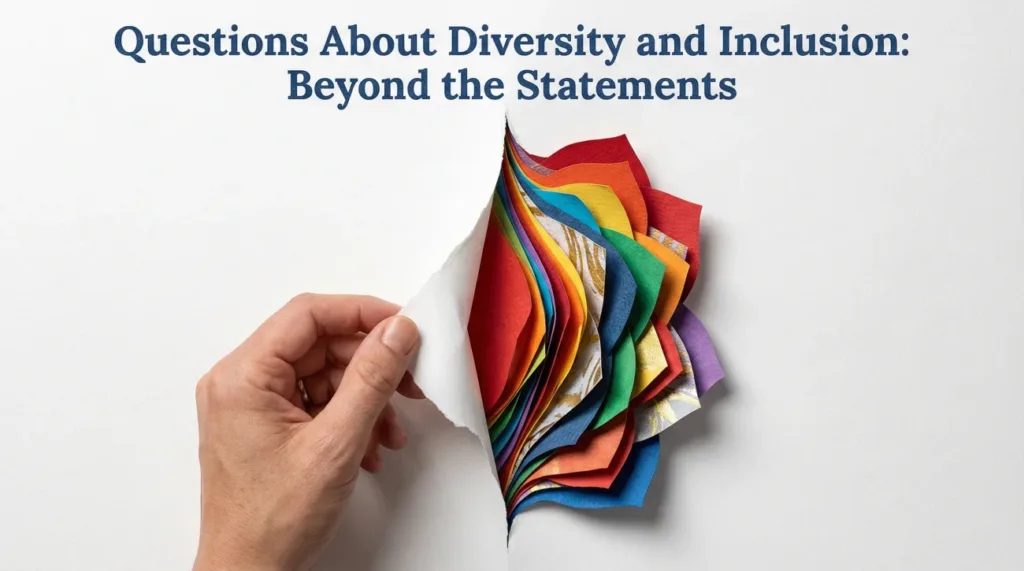
Statements vs. Reality
Every company website now features diversity commitments. Mission statements include inclusion language. Job postings mention belonging. But the gap between stated values and lived experience can be enormous. Some organizations have genuinely transformed their cultures. Others have added language without changing anything substantive.
Asking questions about diversity and inclusion helps you distinguish between performative statements and actual practice. You learn whether diversity exists at leadership levels, what concrete programs exist, how inclusion manifests in daily culture, and whether the organization is improving or just talking.
This matters for everyone, not just people from underrepresented groups. Organizations genuinely committed to inclusion tend to have healthier cultures overall. They value different perspectives, address problems openly, and create environments where people can do their best work.
Dimensions to Explore
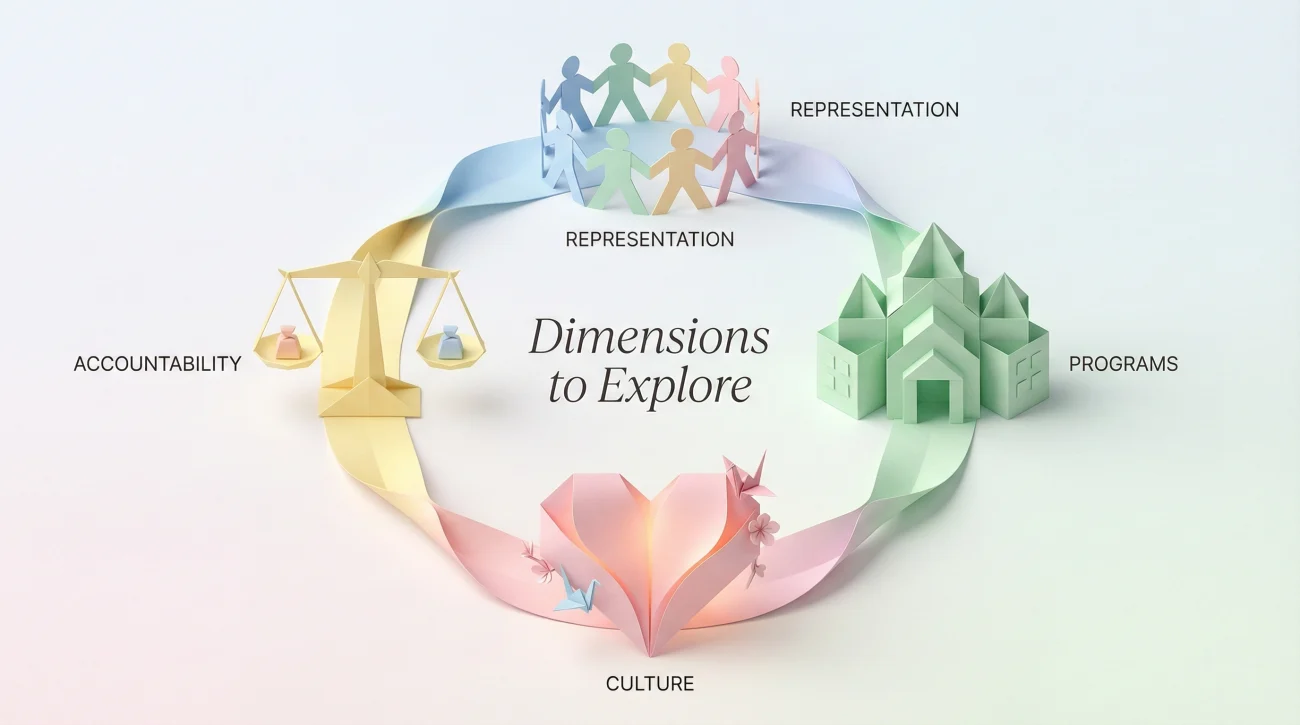
Representation
Who is actually in the organization, especially at leadership levels? Diverse representation at junior levels but homogeneous leadership suggests a ceiling that limits advancement for certain groups.
Programs and Infrastructure
What specific initiatives exist? Employee resource groups, mentorship programs, hiring initiatives, and training programs all indicate investment in DEI beyond statements.
Cultural Inclusion
How do people actually experience the workplace? Representation without inclusion means people are present but not truly welcomed or valued. Culture determines whether diverse employees stay and thrive.
Accountability
How does the organization measure and report on DEI progress? Accountability mechanisms suggest genuine commitment. Lack of measurement usually means lack of real priority.
Essential Questions to Ask
The Leadership Question
“What does diversity look like at the leadership level here? Has that changed over time?”
Diversity at the top reveals whether the organization has genuinely created pathways to advancement for all groups. Entry-level diversity without leadership diversity suggests barriers exist somewhere in the pipeline.
The Specifics Question
“What specific DEI programs or initiatives exist here? How do people participate?”
Concrete programs indicate actual investment. Employee resource groups, mentorship programs, training, and community partnerships all require resources and attention. Vague answers suggest limited real activity.
The Accountability Question
“How does the organization measure progress on diversity and inclusion? What metrics do you track?”
What gets measured gets managed. Organizations that track DEI metrics and report on them are more likely to be making genuine progress. Those that don’t measure aren’t really prioritizing improvement.
The Change Question
“What’s changed here around DEI in the past few years? What’s driving that change?”
Understanding trajectory matters more than a snapshot. An organization actively improving is different from one that’s stagnant or backsliding. Ask about direction, not just current state.
Decoding the Answers
| What They Say | What It Might Mean |
|---|---|
| Specific programs and metrics described | Genuine investment and accountability |
| “Diversity is in our DNA” | Marketing language; push for specifics |
| Leadership diversity data shared openly | Transparency and accountability |
| “We’re working on it” | Acknowledged gap; ask what’s actually being done |
| Defensive response to questions | Possible discomfort with the topic; concerning signal |
| Employee resource groups mentioned with specifics | Infrastructure exists for community and voice |
Discomfort or defensiveness when discussing DEI suggests the organization may not have created a culture where these conversations happen openly.
Going Deeper
Employee Resource Groups
- “What ERGs exist? How active are they?”
- “Does the company provide budget and executive sponsorship for ERGs?”
- “Do ERGs have influence on company decisions, or are they purely social?”
Hiring and Advancement
- “How does the organization ensure diverse candidate pools for open positions?”
- “Are there initiatives to support advancement for underrepresented groups?”
- “What does your promotion data show about equity across different groups?”
Culture Questions
- “How does inclusion show up in day-to-day work here?”
- “What happens when someone raises a concern about exclusion or bias?”
- “How do you ensure all voices are heard in meetings and decisions?”
For additional questions to evaluate employers, see our comprehensive interview questions guide.
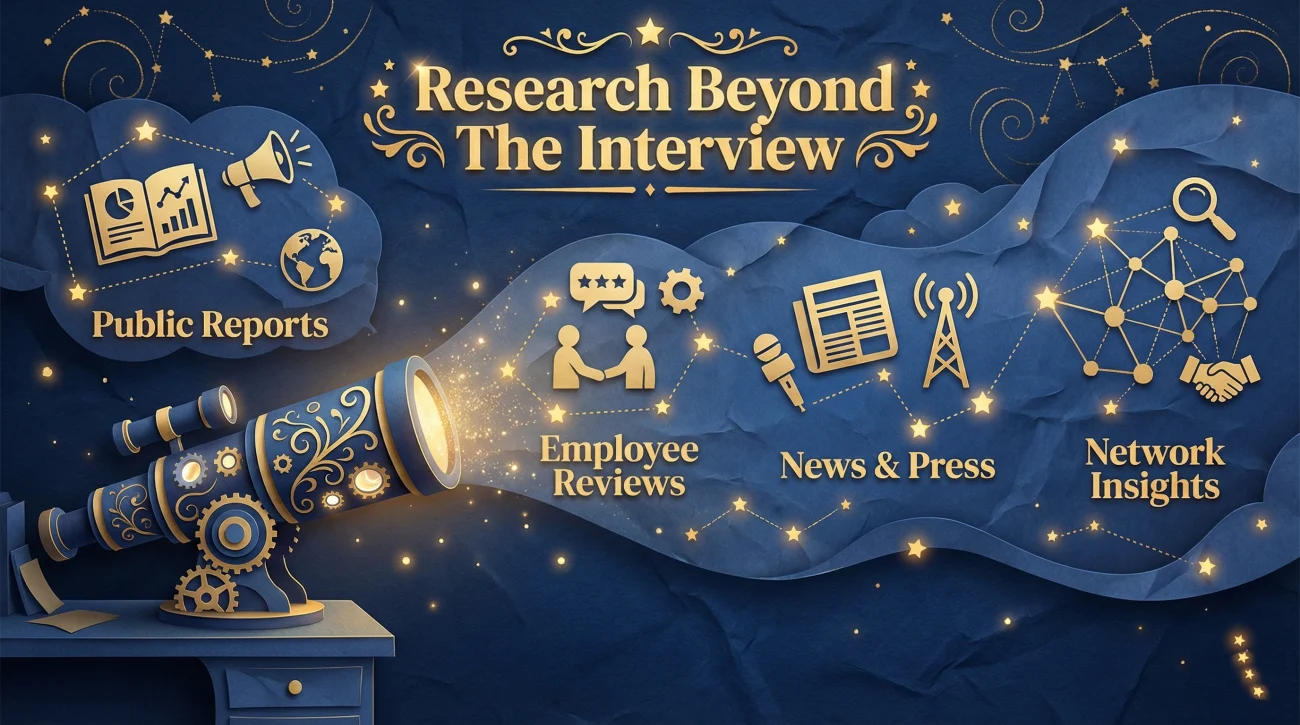
Research Beyond the Interview
Public Information
Many companies now publish diversity reports. Review available data before your interview. This lets you ask informed questions about specific numbers or gaps you’ve noticed.
Employee Perspectives
Glassdoor and similar platforms often include comments about diversity and inclusion. Look for patterns in reviews, especially from reviewers who identify their demographic information.
News and Recognition
Has the company received recognition for DEI efforts or faced criticism? External perspectives provide context that interviews alone can’t reveal.
Network Conversations
If you know anyone from underrepresented groups who works or worked there, their perspective is invaluable. Direct experience tells you what statistics and programs can’t.
❓ FAQ
🎯 Will asking DEI questions seem political or confrontational?
In healthy organizations, these are normal business questions. If asking about DEI creates tension, that itself is useful information about the culture. Organizations genuinely committed to inclusion welcome these conversations.
💼 What if I’m not from an underrepresented group? Should I still ask?
Yes. DEI affects overall culture and often correlates with other aspects of organizational health. Plus, asking signals that you value inclusive environments and want to contribute to them.
⏰ Who should I ask these questions to?
HR can describe formal programs and company-wide data. Potential teammates can share their lived experience. If possible, request conversations with ERG leaders or people from groups you’re curious about.
📋 What if the company is small and doesn’t have formal DEI programs?
Small companies may lack infrastructure for formal programs. Focus instead on values, leadership composition, and how they approach hiring and culture. Ask how they think about inclusion even without formal structures.
✨ How do I evaluate DEI when the team I’d join is homogeneous?
Ask why and what’s being done about it. Homogeneity isn’t automatically bad if the organization recognizes it as a gap and is actively working to change. Homogeneity combined with defensiveness or indifference is more concerning.
Actions Over Words
Asking questions about diversity and inclusion separates genuine commitment from performative language. Look for specific programs, leadership representation, accountability mechanisms, and positive trajectory over time. Research beyond the interview using public reports, employee reviews, and personal networks. DEI matters not just as a value but as an indicator of organizational health. Companies that create genuinely inclusive environments tend to be better places to work for everyone. Those that only talk about inclusion without action often have broader cultural problems that affect all employees.
⚠️ Disclaimer: The interview strategies, sample answers, and negotiation tips provided in this guide are for educational purposes only. Hiring decisions are subjective and vary by company and industry. While these strategies are based on professional HR standards, they do not guarantee a specific job offer or result.