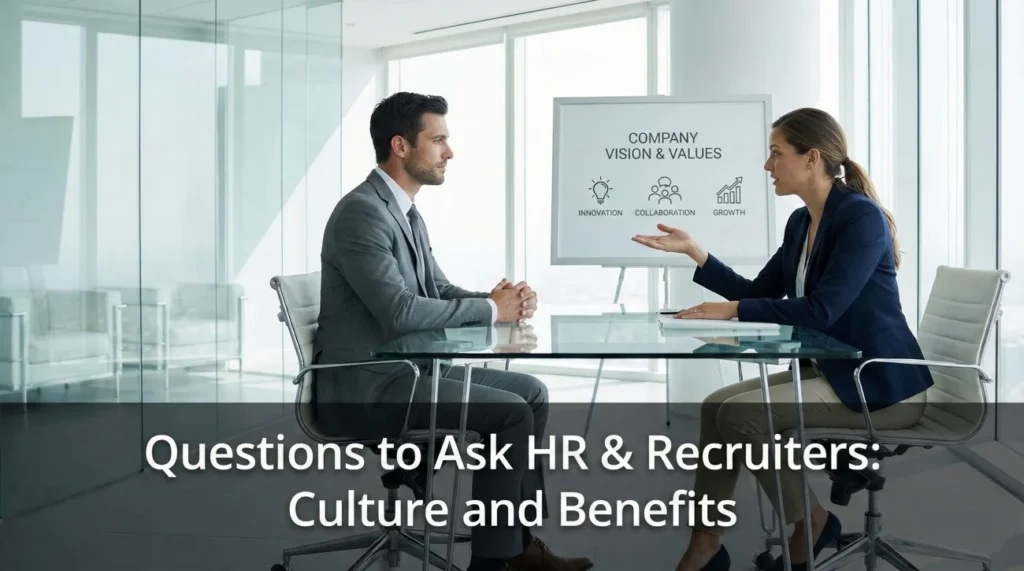
- HR vs manager: HR covers company-wide culture, policies, benefits, and strategy, while managers cover day-to-day work, team dynamics, and role expectations.
- Ask what HR truly owns: Compensation philosophy, benefits details, development programs, retention metrics, and culture initiatives, not technical tasks or daily workflow.
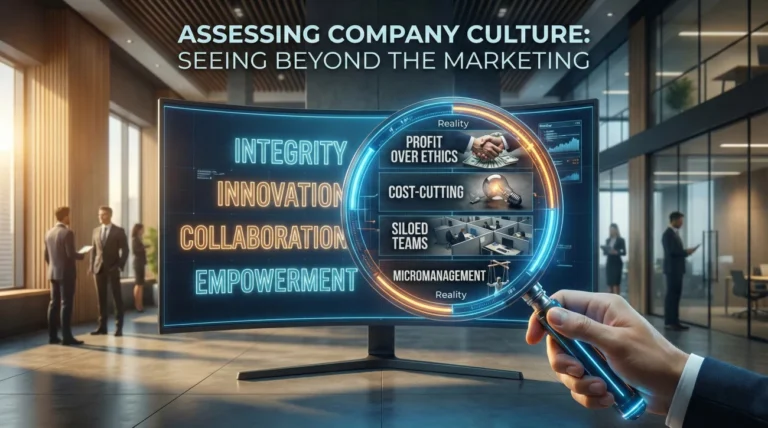
- Culture assessment: Push past buzzwords by asking for concrete examples and metrics, and treat vagueness or deflection as a real signal.
- Pay and benefits timing: Avoid leading with salary on first contact, ask for ranges after initial screening, and dig into total compensation like healthcare, PTO, retirement, and family benefits.
- Growth and stability checks: Use HR to understand learning budgets, promotion paths, and company direction, then save team-specific reality checks for your future manager.
Why HR Conversations Differ From Manager Discussions
HR and recruiter conversations serve different purposes than manager interviews. While hiring managers focus on role specifics, day-to-day work, and technical requirements, HR provides insights into broader organizational culture, benefits structure, career development opportunities, and company vision. Understanding questions to ask hr strategically helps you evaluate whether the company environment, values, and benefits package align with your needs beyond just the job description.
Many candidates waste HR conversations by asking questions better suited for hiring managers or by failing to probe areas only HR can address authoritatively. HR owns information about compensation philosophy, benefits administration, company-wide culture initiatives, diversity programs, and organizational development. They can’t answer detailed questions about specific role responsibilities or team dynamics, but they provide the big-picture context that determines whether you’ll thrive in the organization. Understanding broader questions to ask in an interview helps you allocate questions appropriately between HR and hiring managers.
What HR Actually Knows
Effective questions for hr interview target areas where HR has genuine expertise and authority. Understanding their scope prevents wasting time on questions they can’t answer while maximizing insight into topics they control.
HR’s Areas of Authority
HR professionals manage compensation structures, benefits administration, company-wide policies, training programs, and culture initiatives. They understand how the organization operates at a systemic level even if they can’t describe what your Tuesday afternoon might look like in the role.
- 💼 Compensation philosophy: How the company approaches pay, raises, and equity
- 🏥 Benefits administration: Health insurance, retirement, leave policies
- 🎯 Development programs: Training budgets, mentorship, career paths
- 🌍 Company culture: Values, DEI initiatives, employee engagement
- 📊 Organizational metrics: Retention rates, tenure, growth plans
💡 Pro tip: HR can describe company-wide policies and programs but often can’t speak to how specific teams implement them. Ask HR about official policies, then ask your future manager how their team operates within those policies.
What HR Can’t Tell You
HR typically lacks detailed knowledge about specific role responsibilities, team dynamics, technical requirements, or day-to-day work patterns. These questions belong in manager conversations where you’ll get accurate, relevant answers.
| Ask HR About | Ask Manager About |
|---|---|
| Company-wide work-from-home policy | How your specific team implements remote work |
| Annual training budget per employee | What specific skills the team needs you to develop |
| How the company measures culture | How this team specifically operates day-to-day |
| Average employee tenure across company | Why people have left this specific team |
| Benefits enrollment and options | Typical daily schedule and workflow |
Assessing Company Culture Through HR
Understanding questions about company culture helps you evaluate whether organizational values, work environment, and employee experience align with your preferences. HR shapes and measures culture company-wide, making them ideal sources for these insights.
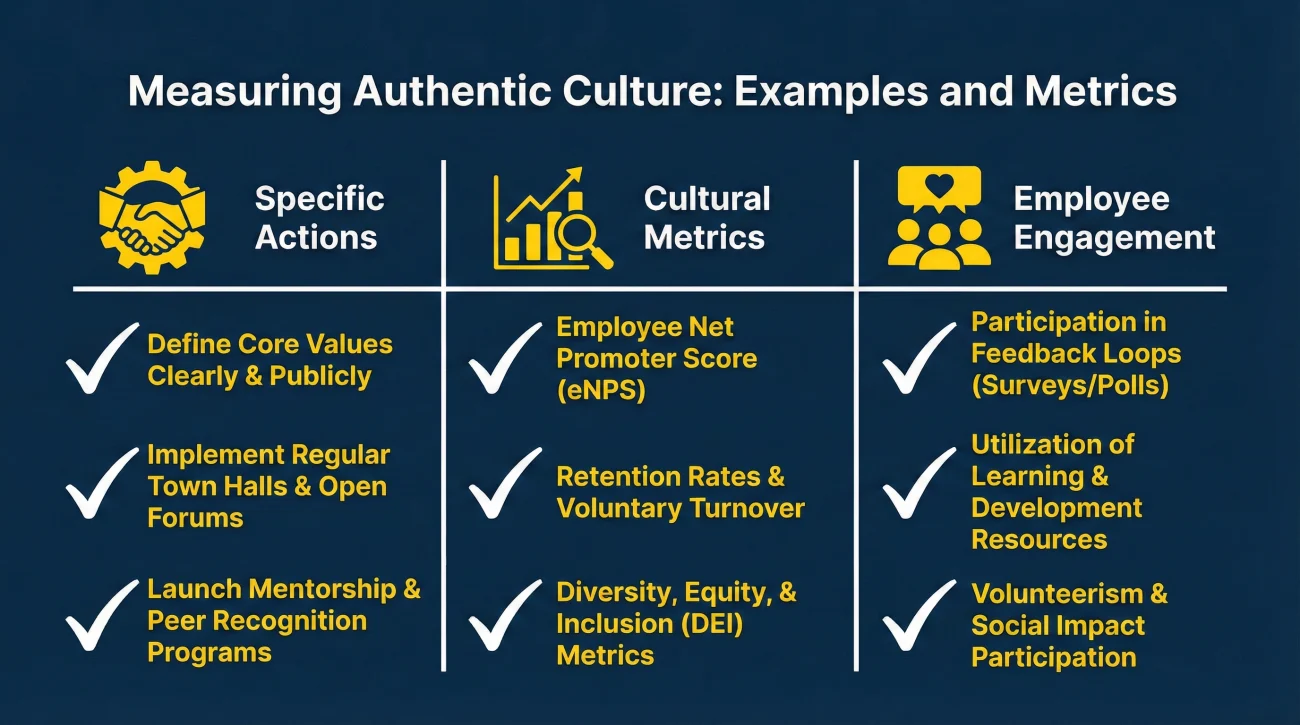
Strategic Culture Questions
Effective culture questions invite specific examples and concrete data rather than accepting generic platitudes about “collaborative environments” or “innovation.” Ask about actions, programs, and metrics that demonstrate how culture operates in practice.
Expert advice: When HR describes culture with buzzwords like “fast-paced” or “family-like,” ask for specific examples of how that manifests. “Can you give me an example of how the fast-paced environment shows up in how teams work?” forces concrete answers beyond marketing language.
Reading Between Lines
How HR answers culture questions reveals as much as what they say. Hesitation, vague answers, or deflection to other topics signals potential issues. Enthusiastic specific examples with data suggest genuine commitment to stated values.
- Specific examples and metrics indicate authentic culture
- Generic corporate speak suggests aspiration rather than reality
- Deflection or discomfort signals areas of concern
- Enthusiasm and detail reveal genuine strengths
If HR can’t provide specific examples of how culture manifests or seems uncomfortable discussing certain topics, that’s valuable information about what you’d actually experience as an employee.
Benefits and Compensation Discussions
Understanding what to ask recruiter about compensation and benefits requires timing, diplomacy, and specificity. HR manages these programs and can provide authoritative information, but approach these topics strategically.
When to Discuss Salary
Salary discussions typically happen after you’ve demonstrated value through interviews. However, understanding compensation philosophy and ranges early prevents wasting time on opportunities that don’t meet your requirements. HR usually initiates salary conversations, but you can ask about ranges and philosophy without seeming presumptuous.
| Too Early (First Contact) | Appropriate Timing |
|---|---|
| “What’s the salary for this role?” | “Can you share the salary range?” (after initial screening) |
| Leading with compensation requirements | Discussing after establishing mutual interest |
| Demanding specific numbers immediately | Asking about compensation philosophy and structure |
Benefits Questions
Ask about benefits structure, coverage, costs, and flexibility. HR can explain options, enrollment processes, and company contributions. These details significantly impact total compensation even if base salary seems competitive.
- 🏥 Healthcare: Coverage options, premiums, deductibles, family coverage
- 💰 Retirement: 401k matching, vesting schedule, investment options
- 📅 Time off: PTO structure, holidays, sabbatical options
- 👶 Family benefits: Parental leave, childcare support, adoption assistance
- 📚 Development: Training budget, conference attendance, tuition reimbursement
Professional Development and Career Growth
Effective hr interview questions to ask about development reveal whether the company invests in employee growth or expects you to develop independently. HR manages training programs, mentorship initiatives, and career path frameworks.
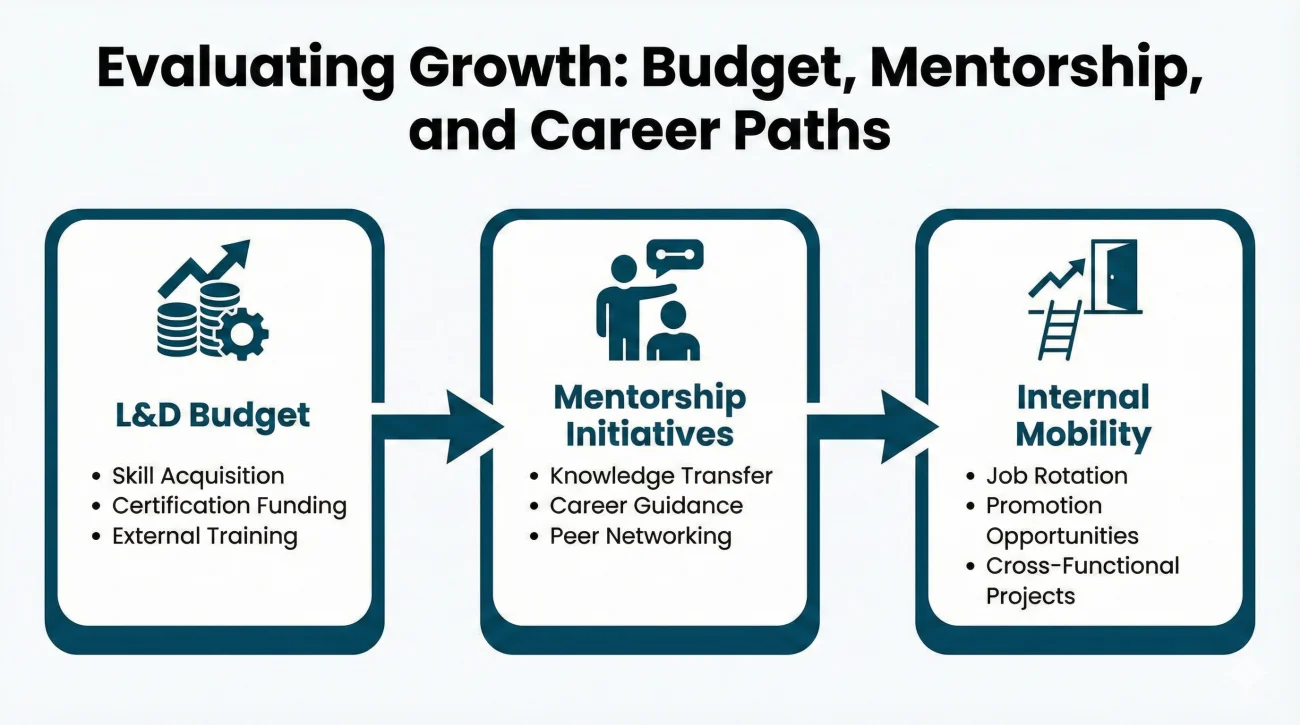
Learning and Development Programs
Ask about formal training opportunities, professional development budgets, conference attendance policies, and internal mobility. Companies serious about development have structured programs with allocated resources, not just vague encouragement to “keep learning.”
Expert advice: Ask “What’s the annual professional development budget per employee?” rather than “Do you support learning?” The first gets a specific number you can evaluate. The second gets a generic “yes we value growth” that means nothing.
Career Progression Paths
Understanding how people advance internally reveals whether the company promotes from within or requires external moves for growth. Ask about typical progression timelines, internal mobility policies, and recent promotion examples.
Company Vision and Strategic Direction
HR understands organizational strategy, growth plans, and competitive positioning at a high level. These questions help you evaluate company stability, growth potential, and whether the organization is positioned for success.
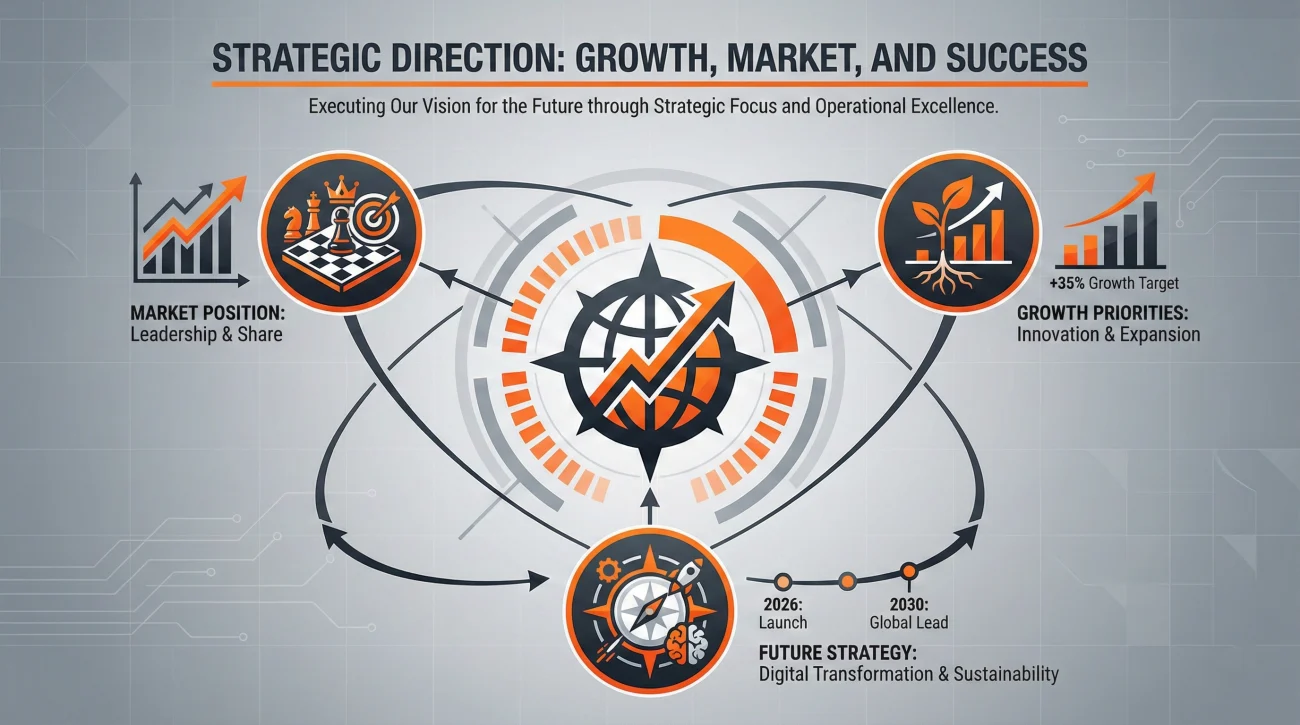
Growth and Expansion Plans
Questions about company direction reveal whether you’re joining a stable, growing, or struggling organization. Understanding strategic priorities helps you assess long-term career potential and stability.
- What are the company’s growth priorities for the next 2-3 years?
- How has the company grown over the past few years?
- What markets or products are expansion focuses?
- How does this role support strategic objectives?
Market Position and Competition
Understanding how the company positions itself competitively and who they consider main competitors reveals market awareness and strategic thinking. Companies with clear market understanding typically have stronger prospects than those uncertain about their position.
💡 Pro tip: If HR struggles to articulate the company’s competitive advantages or strategic direction, that’s a red flag about organizational clarity and leadership effectiveness.
Explore Specific Topics
Once you understand how to approach HR conversations strategically, dive into specific question categories that reveal different aspects of company culture, benefits, and organizational health:
| Category | Item | Focus |
|---|---|---|
| Foundation Skills | Asking About Salary in Interview | Timing and strategy for compensation discussions |
| Foundation Skills | Assessing Company Culture | Reading between the lines of HR responses |
| Culture and Work Environment | Questions About Work Life Balance | Burnout prevention and boundaries |
| Culture and Work Environment | Questions About Remote Work Policy | Hybrid and remote work specifics |
| Culture and Work Environment | Questions About Professional Development | L&D budgets and mentorship |
| Culture and Work Environment | Questions About Diversity and Inclusion | DEI actions and initiatives |
| Culture and Work Environment | Questions About Employee Retention | Average tenure and turnover |
| Company Strategy and Vision | Questions About Company Vision | 5-year strategic plans |
| Company Strategy and Vision | Questions About Competitors | Market positioning and competitive landscape |
❓ FAQ
🎯 When should I ask HR questions versus manager questions?
Ask HR about company-wide policies, benefits, culture initiatives, and organizational structure. Ask managers about day-to-day work, team dynamics, role-specific expectations, and career development within the team. HR provides big-picture context; managers provide role-specific details.
💼 Is it appropriate to ask about salary in the first HR conversation?
If HR initiates the conversation, yes. If you’re reaching out cold, wait until after initial screening when there’s mutual interest. Asking about salary range after demonstrating your qualifications is appropriate. Leading with compensation requirements before establishing value seems presumptuous.
⏰ How many questions should I ask HR?
Prepare 5-7 questions but read the room. If HR offers 30 minutes for questions, use most of it. If they’re clearly pressed for time, prioritize your most important 2-3 questions. Quality matters more than quantity – thoughtful questions about topics HR controls beat generic questions better suited for others.
📋 What if HR gives vague answers about culture?
Follow up with requests for specific examples or metrics. “Can you give me an example of how that value shows up in practice?” or “What metrics do you use to measure that?” Often vague answers indicate aspirational culture rather than reality. Persistent vagueness is itself valuable information about the organization.
✨ Can I ask HR about why previous people left the role?
Yes, but frame it professionally. “What prompted the need for this position?” or “Can you tell me about the team’s recent changes?” gets you similar information without directly asking about departures. HR may or may not provide details, but their comfort level answering reveals something about transparency.
Final Thoughts
Mastering questions to ask hr requires understanding what HR actually knows and controls versus what belongs in manager conversations. HR provides authoritative information about compensation philosophy, benefits structure, company-wide culture initiatives, professional development programs, and organizational strategy. They can’t describe your day-to-day work experience or specific team dynamics, but they paint the big picture that determines whether you’ll thrive in the organization.
Effective HR conversations go beyond accepting generic platitudes about culture and values. Ask for specific examples, concrete metrics, and evidence of how policies operate in practice. How HR responds – with enthusiasm and detail versus vague deflection – reveals as much as what they say. Companies with strong cultures and genuine commitment to stated values provide specific examples readily. Those with aspirational cultures struggle to move beyond marketing language.
Remember that HR conversations serve strategic purposes different from manager interviews. Use this time to evaluate organizational health, benefits competitiveness, development investment, and cultural alignment. Save role-specific questions for hiring managers who can answer them accurately. Thoughtful questions targeting topics HR controls demonstrate strategic thinking while gathering information that helps you make informed decisions about whether the opportunity truly fits your needs.
⚠️ Disclaimer: The interview strategies, sample answers, and negotiation tips provided in this guide are for educational purposes only. Hiring decisions are subjective and vary by company and industry. While these strategies are based on professional HR standards, they do not guarantee a specific job offer or result.