What Retail Sales Associate Interviews Evaluate
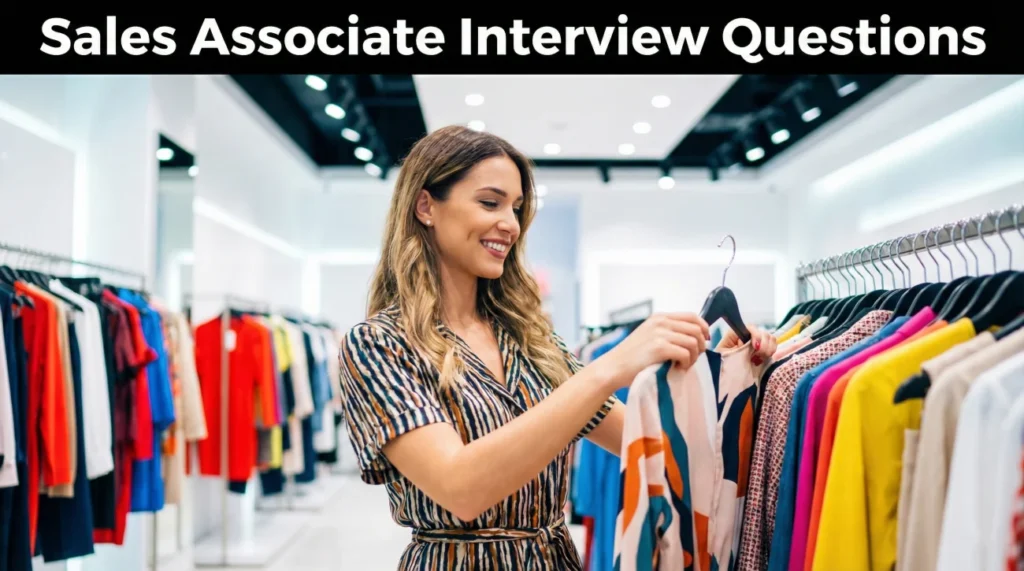
Sales associate interview questions assess your ability to deliver exceptional customer experiences while driving sales in fast-paced retail environments. Unlike B2B sales roles focusing on complex deal cycles, retail success depends on quick rapport building, product knowledge, visual awareness, and the ability to balance multiple customer needs simultaneously. Interviewers evaluate your customer service instincts, sales techniques, merchandising understanding, and the resilience required for floor-based work.
This guide covers customer engagement, upselling and cross-selling, visual merchandising, and situational challenges common in retail environments. Great service often increases what customers buy and how often they return, so associate excellence is directly tied to store performance and loyalty.
Customer Engagement and Service Excellence
Q: How do you approach customers without being pushy?
Effective customer engagement reads body language and respects boundaries. I observe customers first: are they browsing casually, searching purposefully, or examining specific items? Someone focused on a product wants help differently than someone who just entered the store. I position myself to be visible and approachable without hovering.
My initial greeting is warm but low-pressure, something like acknowledging their presence and offering assistance if needed. If they decline, I give them space while staying aware of engagement signals: picking up multiple items, looking around for assistance, or comparing products. I might offer relevant information casually, mentioning a current promotion or pointing out something they might have missed. The goal is making customers feel welcomed and supported, not surveilled. Personalization tends to land better when you read needs accurately, and that matters more than aggressive approach tactics.
Q: Describe a time you turned an unhappy customer into a satisfied one.
A customer returned frustrated because an item she purchased didn’t work as expected, and she’d lost her receipt. She was visibly upset, feeling the store wouldn’t help without documentation. I listened fully without interrupting, acknowledging her frustration and apologizing for the inconvenience regardless of where fault lay.
I looked up her purchase through our loyalty system and found the transaction. Rather than just processing the return, I asked what she’d hoped the product would do, then showed her an alternative that better matched her actual needs. I demonstrated how it worked, answered her questions, and offered to help her with the exchange. She left with a product she was confident about, thanked me specifically, and mentioned she’d return because of how the situation was handled. Turning complaints into positive experiences builds loyalty since customers who have problems resolved well often become more loyal than those who never had issues.
Q: How do you handle multiple customers needing attention simultaneously?
Prioritization and acknowledgment are key when facing competing demands. I quickly assess urgency: someone with a simple question, someone actively ready to purchase, and someone needing extended consultation require different responses. I acknowledge everyone, even briefly, so no one feels ignored.
For quick questions, I provide immediate answers before returning to more complex assistance. For customers ready to buy, I might help them quickly or direct them to checkout while noting I’ll return for the customer needing more time. I communicate transparently, letting customers know I’ll be with them shortly rather than leaving them wondering. If the store allows, I involve colleagues to ensure coverage. The goal is making every customer feel valued even when I can’t give undivided attention immediately. Balancing speed with personalized service is a core retail challenge that requires constant judgment calls.
Q: What does excellent customer service mean to you?
Excellent customer service means customers leave feeling better than when they arrived, whether they purchased or not. It starts with genuine acknowledgment: seeing customers as people, not transactions. It involves actively listening to understand what they actually need, which might differ from what they initially ask for.
Great service anticipates needs before customers express them. It means knowing products well enough to make honest recommendations, including steering someone away from a purchase that won’t serve them. It involves handling problems gracefully, taking ownership rather than deflecting blame. Consistency matters: every customer deserves the same quality experience regardless of how busy the store is or how my day is going. Ultimately, excellent service builds relationships that generate repeat visits and referrals.
Sales Techniques and Revenue Generation
Upselling and Cross-Selling Strategies
Q: How do you approach upselling without seeming aggressive?
Effective upselling comes from genuinely serving customer interests rather than pushing higher prices. I focus on understanding what customers are trying to accomplish, then recommend products that truly serve those goals better. If someone is buying running shoes for marathon training, suggesting better cushioning or durability isn’t pushy; it’s helpful advice that prevents regret later.
I frame suggestions around value and outcomes rather than price differences. Instead of highlighting cost, I explain benefits: how the upgraded option will last longer, perform better, or solve problems the basic version won’t address. Timing matters too since suggesting add-ons works best when customers have committed mentally to the primary purchase. Upselling and cross-selling can add meaningful revenue, and customers often appreciate suggestions that enhance their purchases when presented helpfully rather than aggressively.
Q: How do you handle price objections?
Price objections usually indicate value hasn’t been adequately demonstrated or the customer has budget constraints requiring different solutions. I first clarify whether it’s a value perception issue or a genuine budget limit. For value concerns, I focus on benefits: quality, durability, warranty, and cost-per-use calculations that show long-term savings.
If budget is the real constraint, I respect that and offer alternatives. I might suggest comparable products at lower price points, mention upcoming promotions, or highlight financing options if available. I never make customers feel embarrassed about budget considerations. Sometimes the right answer is helping them find something that fits their budget rather than pressuring them toward purchases they’ll regret. This builds trust and often brings them back when they’re ready for larger purchases.
Q: Describe how you would increase sales during a slow period.
Slow periods are opportunities for proactive customer engagement and store improvement. With fewer customers, I can spend more quality time with each person, potentially increasing conversion rates and transaction values even if traffic is lower. I use extra time to deepen product knowledge, ensuring I can make better recommendations when customers do arrive.
I focus on merchandising tasks that improve store appeal: straightening displays, restocking popular items, and ensuring the floor looks inviting. I might reach out to previous customers about new arrivals or promotions if our systems allow. I suggest ideas to management: events, promotions, or display changes that might drive traffic. Self-motivation during downturns matters since maintaining energy and positive outlook when the store is quiet prepares me to serve well when customers arrive. Stores that look well-maintained and staffed with engaged associates attract more purchases than those appearing neglected.
Q: How do you meet sales targets while maintaining genuine customer focus?
Sales targets and customer focus aren’t opposing forces; genuine service drives sustainable sales. I focus on solving customer problems effectively, which naturally leads to purchases and repeat business. Customers sense when they’re being served versus sold to, and authentic helpfulness builds trust that converts to sales.
I track my performance to identify patterns: what products am I recommending successfully, where am I losing sales, what objections am I not addressing well? I use slow moments for product education, ensuring I can confidently recommend items that match customer needs. I set personal micro-goals beyond just sales numbers: helping a specific number of customers find what they need, making meaningful product suggestions, or improving display areas. This mindset makes hitting targets feel like natural outcomes of good service rather than pressure-filled chases that compromise customer experience.
Visual Merchandising and Store Operations
How do you maintain an organized and visually appealing sales floor?
Maintaining visual standards is continuous work, not a one-time task. I conduct regular zone sweeps throughout my shift: straightening merchandise, ensuring items are folded correctly and placed in designated spots, and checking that sizing and pricing labels are visible and accurate. I face items forward and ensure displays remain full and attractive.
I pick up misplaced items during every pass through my area, returning them to proper locations rather than letting them accumulate. I keep fitting rooms clear and organized since messy fitting rooms discourage customers from trying items. I watch for low stock situations and restock before shelves look empty. Visual merchandising matters because what customers see on the floor strongly influences buying decisions. Treating every part of the store as a reflection of our commitment to quality directly impacts customer perception and sales.
What do you understand about effective visual merchandising?
Visual merchandising creates environments that guide customers toward purchases through strategic product placement and presentation. Products placed at eye level are more likely to be noticed and picked up, so premium and promotional items often belong there. Grouping complementary products together encourages add-on purchases and can boost sales.
Effective displays tell stories: they show products in context, demonstrate use cases, and create emotional connections. End caps and feature displays capture attention because aisle ends naturally draw the eye. Color psychology, lighting, and spacing all influence perception. Minimalist displays with fewer products can increase perceived value, while overstuffed shelves feel overwhelming. I stay aware of what draws my eye in other stores and apply those observations. Window displays can influence foot traffic, demonstrating how visual presentation impacts business results.
How do you handle inventory discrepancies or stock issues?
Inventory accuracy matters for customer satisfaction and business operations. When I notice discrepancies between what the system shows and what’s actually on the floor, I first verify by checking backstock, other display locations, and recent returns. If the discrepancy is real, I inform a manager and document the issue according to store procedures.
For customer-facing situations where a desired item is unavailable, I immediately check other locations, offer to hold items when new shipments arrive, or suggest comparable alternatives. I never tell customers something is unavailable without checking first. I report stock-outs promptly so replenishment can happen. I’m careful with my own handling to prevent damage that creates shrinkage. Knowing that missed sales often happen when customers cannot find what they want motivates me to stay proactive about inventory awareness.
Situational Challenges and Problem-Solving
Q: How do you handle a customer who wants to return something without a receipt?
I approach no-receipt returns with empathy while following store policy. I first listen to understand the situation: why they want to return it, whether they have alternative proof of purchase like credit card statements or loyalty account records. I explain our policy clearly and look for solutions within those guidelines.
If policy allows store credit or exchanges without receipts, I present those options positively rather than as consolation prizes. If policy requires receipts, I explain why while helping them find alternatives: checking if we can look up the transaction, suggesting they check email for digital receipts, or noting what they’d need for future returns. I stay calm even if customers are frustrated since getting defensive doesn’t help. The goal is leaving customers feeling heard and fairly treated even when I can’t give exactly what they initially wanted.
Q: What would you do if you saw a coworker stealing?
Theft harms the business, affects everyone’s job security, and compromises the work environment. I would report what I observed to a manager or through whatever confidential reporting channels exist. I wouldn’t confront the coworker directly since that could be unsafe and might compromise any investigation.
I would report only what I actually observed, sticking to facts rather than assumptions or speculation. I understand that managers and loss prevention professionals are trained to handle these situations appropriately. Reporting isn’t about getting someone in trouble; it’s about maintaining a fair workplace where everyone follows the same rules. I’d expect the same integrity from my coworkers if situations were reversed.
Q: How do you handle customers who know more about products than you do?
Knowledgeable customers are often the most engaged and interested buyers. Rather than feeling threatened, I acknowledge their expertise and focus on adding value where I can: availability, pricing, promotions, complementary products, or store services they might not know about. I ask questions to understand their expertise level and learn from their knowledge.
Honesty matters here. If they ask something I don’t know, I admit it and find the answer rather than guessing. I might say I’m not certain and offer to check product information or ask a colleague with specialized knowledge. Customers respect authenticity over pretense. Sometimes my value is simply facilitating their purchase efficiently, making the transaction smooth, and ensuring they know about relevant promotions or loyalty benefits. Every interaction is also a learning opportunity that makes me more knowledgeable for future customers.
Q: What would you do in your first 30 days as a new sales associate?
The first 30 days focus on building foundation: product knowledge, store systems, team relationships, and customer patterns. I’d absorb training thoroughly, ask questions when unclear rather than guessing, and observe how successful colleagues engage customers. Understanding the product range is essential since I can’t recommend what I don’t know.
I’d learn store layout to help customers efficiently and understand merchandising standards so I can maintain them properly. I’d study the POS system until transactions feel smooth since struggling with technology frustrates customers. I’d pay attention to customer patterns: busy periods, common questions, frequent requests. I’d introduce myself to colleagues and understand how we support each other during rush periods. By day 30, I’d want to feel confident handling most customer interactions independently while knowing when and how to seek help for unusual situations.
Retail Sales Knowledge Check
Test Your Retail Skills
1. What is a good low-pressure opener with a customer who just walked in?
- Follow them closely until they speak
- Greet warmly and offer help if they need it
- Start pitching promotions immediately
- Wait silently behind the counter
2. What is the best signal that a customer may want help soon?
- They are holding a phone
- They are comparing items and looking around for assistance
- They walked past a display
- They are carrying a bag
3. How should you prioritize when multiple customers need help?
- Help whoever talks the loudest
- Acknowledge everyone, then triage by urgency and complexity
- Finish your current task and ignore everyone else
- Send everyone to checkout
4. What makes upselling feel helpful instead of pushy?
- Always recommend the most expensive option
- Tie suggestions to the customer’s goals and use case
- Mention add-ons before discovery
- Only talk about discounts
5. When a customer objects to price, what should you do first?
- Offer a discount immediately
- Clarify whether it is budget or value perception
- Argue that the price is fair
- End the conversation
6. What is a strong response to a customer returning an item without a receipt?
- Refuse immediately with no explanation
- Follow policy, explain options clearly, and look for proof alternatives
- Approve any return to avoid conflict
- Tell them to come back later without next steps
7. What should you do if you do not know an answer about a product?
- Guess confidently
- Admit it and find the answer quickly
- Change the topic
- Tell the customer to search online
8. What is the most important purpose of visual merchandising?
- To decorate the store for staff
- To reduce friction and guide customers toward purchase decisions
- To hide low-stock areas
- To avoid customer questions
9. What is a practical “zone sweep” habit?
- Only tidy when a manager is nearby
- Regularly face product, fix sizing, and return go-backs promptly
- Move items to any empty shelf
- Ignore fitting rooms until closing
10. Why do fitting rooms matter so much?
- They do not matter
- A messy fitting room increases frustration and can reduce purchases
- They only matter for luxury stores
- They only matter during holidays
11. What is a good way to handle a frustrated customer?
- Explain policy immediately
- Listen fully, acknowledge feelings, then clarify facts
- Tell them to calm down
- Walk away to avoid conflict
12. What should you do if a customer wants an out-of-stock item?
- Say it is not available and stop there
- Check backstock or other locations and offer alternatives or holds
- Suggest a more expensive item only
- Tell them to order online without checking
13. What is the best use of a CRM or customer list in retail?
- Only to record sales totals
- To support follow-up, preferences, and timely outreach
- To replace in-store service
- To message customers daily
14. During a slow period, what is the best mindset?
- Do nothing and wait
- Use time for floor standards, learning, and proactive service
- Hide in the back room
- Only check your phone
15. What should your first 30 days focus on?
- Only closing sales quickly
- Product knowledge, systems, floor standards, and customer patterns
- Changing store procedures
- Avoiding questions to look confident
16. What is a strong teamwork behavior on the sales floor?
- Only help your own customers
- Hand off smoothly and communicate so customers feel covered
- Avoid asking for help
- Compete for every sale regardless of experience
17. What should you document after a notable customer interaction?
- Nothing, it is not necessary
- Preferences, issues, and next steps that support follow-up
- Only their personal details
- Only the final price
18. What is a good approach to loss prevention situations?
- Confront someone directly
- Report what you observed through the proper channel
- Post about it online
- Ignore it to avoid trouble
19. What makes a store feel “high standard” to customers?
- Only loud music and bright lights
- Cleanliness, organization, accurate labeling, and attentive service
- Only large signage
- Only discounts
20. What is the clearest sign you are succeeding as an associate?
- You talked to the most people
- Customers feel helped and the store hits goals without sacrificing service
- You avoided returns
- You never asked questions
❓ FAQ
🛍️ What if I have no retail experience?
Focus on transferable skills from any customer-facing experience: restaurant work, volunteer positions, school activities, or family businesses. Emphasize communication skills, reliability, willingness to learn, and positive attitude. Retail is a common first job, so employers often expect to train new associates. Show enthusiasm for customer service and flexibility with scheduling since these matter more than specific retail experience for entry-level roles.
💼 How should I dress for a retail interview?
Research the store’s style and dress slightly elevated from what employees wear. For fashion retailers, demonstrate style awareness. For department stores, business casual works well. For casual brands, neat and polished versions of their aesthetic. Avoid anything too casual like ripped jeans or athletic wear unless interviewing at athletic brands. Clean, pressed clothing and good grooming matter across all retail environments since you’ll be representing the brand to customers.
📊 What questions should I ask the interviewer?
Ask about training programs and opportunities to learn product knowledge. Inquire about team dynamics and how associates support each other during busy periods. Ask what distinguishes top performers from average ones. Question scheduling flexibility if relevant to your situation. Ask about advancement opportunities since showing interest in growth demonstrates commitment. Avoid asking about breaks, discounts, or minimum hours as primary questions since these suggest wrong priorities.
⏰ How do I address availability concerns?
Be honest about limitations while emphasizing flexibility where possible. Retail typically requires evening and weekend availability, so prepare to accommodate these needs. If you have genuine constraints like school schedules, present them with context and highlight when you’re available rather than leading with restrictions. Showing willingness to work peak shopping times like weekends and holidays strengthens your candidacy significantly.
🎯 How do I stand out from other candidates?
Research the brand thoroughly: visit stores, browse online, understand products and target customers. Reference specific products or brand values during the interview. Demonstrate genuine enthusiasm rather than generic job-seeking. Bring specific examples of customer service excellence from any context. Show that you understand retail challenges and are ready to embrace them. Follow up with a thank-you message referencing specific conversation points. Personal connection and demonstrated interest differentiate candidates with similar qualifications.
Launching Your Retail Career
Preparing for sales associate interview questions requires demonstrating customer service instincts, sales awareness, and the energy needed for floor-based retail work. Articulate your approach to customer engagement, problem-solving, and visual standards with specific examples from any service experience. Show understanding of how associate performance directly impacts store success through customer satisfaction and sales results.
Research the specific retailer thoroughly before interviewing, understanding their brand positioning, target customers, and product range. Prepare to discuss flexibility, teamwork, and your motivation for retail work beyond just needing a job. Demonstrate the communication skills and positive attitude that make customers want to return. For comprehensive preparation, explore retail career resources to position yourself for a sales associate role that leverages your customer service strengths and launches a rewarding retail career.
⚠️ Disclaimer: The interview strategies, sample answers, and negotiation tips provided in this guide are for educational purposes only. Hiring decisions are subjective and vary by company and industry. While these strategies are based on professional HR standards, they do not guarantee a specific job offer or result.