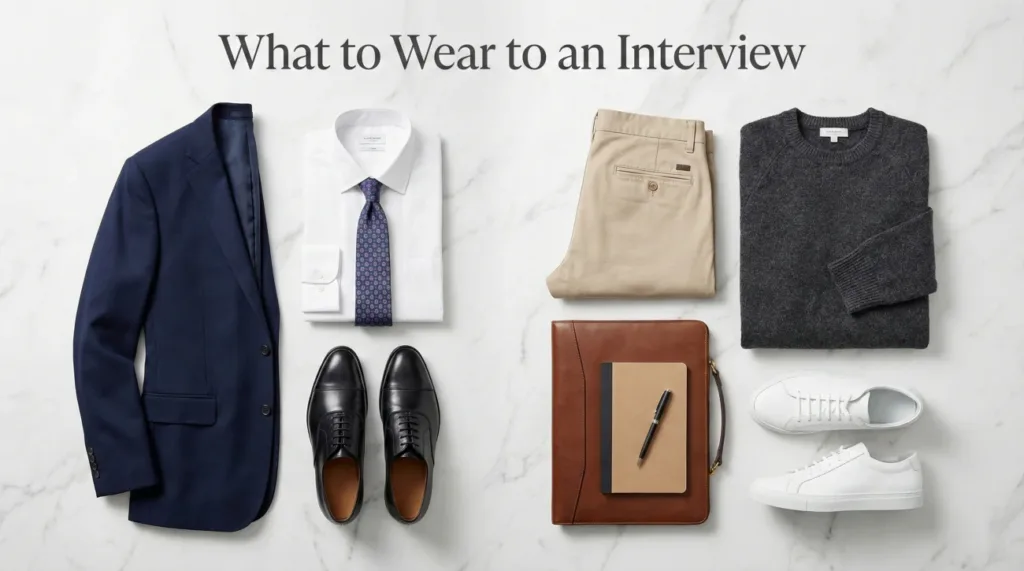
The Candidate Who Lost the Job Before Speaking
A finance candidate walked into our bank headquarters wearing a hoodie and jeans. His resume was exceptional. His experience matched perfectly. He never made it past the lobby.
The hiring manager saw him in the waiting area and made her decision before the interview started. “If he doesn’t understand our culture enough to dress appropriately,” she said later, “what else doesn’t he understand?”
Harsh? Perhaps. But this happens every day.
What to wear to an interview varies dramatically by industry, company culture, and role level. Getting it wrong signals poor judgment before you’ve said a single word. Getting it right removes one more barrier between you and the offer.
After twelve years of watching candidates succeed and fail based partly on their clothing choices, I’ve developed clear guidelines for every major industry.
The Foundation: Research Before You Dress
No universal dress code applies to all interviews. A suit that impresses at a law firm alienates at a startup. The jeans acceptable at a tech company disqualify you at a consulting firm.
How to Research Company Culture
Start with the company’s website, particularly their careers page and team photos. LinkedIn profiles of current employees reveal what people actually wear, not what the company says they wear.
If you have contacts at the company, ask directly. “What do people typically wear to interviews there?” is a perfectly reasonable question that shows preparation rather than uncertainty.
💡 Pro Tips: When uncertain, dress one level more formal than you think the company culture requires. It’s easier to seem slightly overdressed than clearly underdressed.
Role Level Matters
Senior positions typically require more formal attire than entry-level roles, even within the same company. A VP candidate at a casual tech company might wear a blazer when an engineer candidate would not.
Client-facing roles require more polish than internal positions. Even in casual environments, someone interviewing for sales will dress differently than someone interviewing for software development.
Finance and Banking
Traditional finance remains one of the most formal industries for interview dress code by industry considerations.
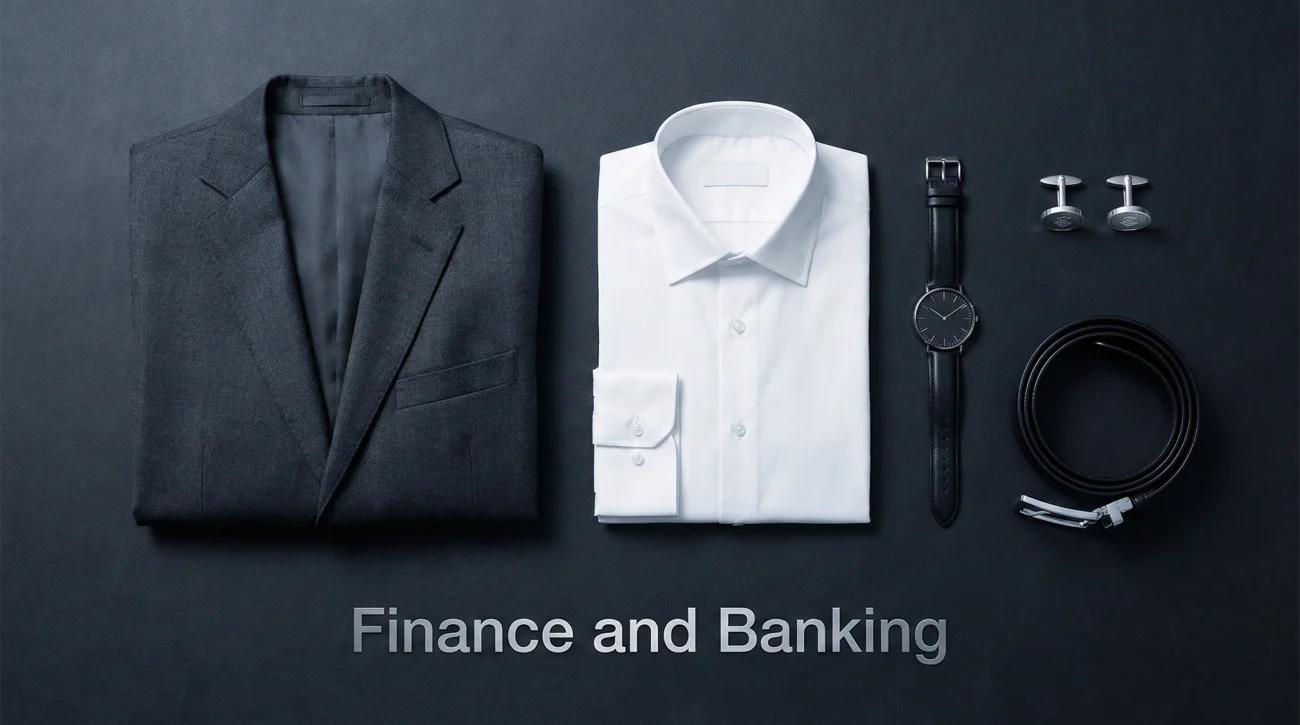
Traditional Finance Attire
Conservative suits in navy, charcoal, or black. White or light blue shirts. Conservative ties without loud patterns. Polished leather shoes, dark socks, minimal jewelry. A quality watch is acceptable and sometimes expected.
I’ve watched investment banking interviews where candidates were evaluated on their shoe polish. Excessive? Maybe. But understanding that this matters demonstrates cultural awareness.
“I once rejected a candidate because his belt didn’t match his shoes. It sounds petty, but in client meetings, those details matter. I needed someone who understood that.”
That’s from a wealth management director I’ve worked with for years. Details signal attention to detail.
FinTech Exception
Financial technology companies often blend finance and tech cultures. Research the specific company carefully. A fintech startup may be closer to tech casual, while a fintech firm serving traditional banks may expect traditional finance dress.
- 💼 Investment Banking: Full suit, conservative colors, formal tie
- 🏦 Retail Banking: Business formal, slightly more flexibility
- 📊 Wealth Management: Conservative suit, quality accessories
- 💻 FinTech: Research specific company culture
Technology Companies
The tech interview dress code ranges from extremely casual to surprisingly formal depending on the company and role.
Startup Culture
Many startups pride themselves on informal environments. A suit can actually work against you here, signaling that you don’t understand the culture.
Business casual interview attire works well: clean jeans or chinos, a collared shirt or nice sweater, clean sneakers or casual leather shoes. Looking polished without looking corporate.
A founder I know told me about interviewing a candidate who showed up in a full suit: “He looked uncomfortable the entire time. Everyone else was in t-shirts. I kept thinking about how he’d fit into our daily environment.”
Enterprise Technology
Large tech companies, particularly those serving enterprise clients, often expect more formality. Research matters here. Microsoft’s culture differs from Google’s, which differs from Oracle’s.
When uncertain, business casual with a jacket option works. Bring the jacket and remove it if you arrive and see everyone in t-shirts.
Expert Advice: Check Glassdoor interview reviews for specific companies. Candidates often mention what they wore and whether it seemed appropriate.
Remote Company Interviews
Even video interviews require appropriate clothing. Dress as you would for an in-person interview from the waist up. Solid colors work better on camera than patterns, which can appear distorted.
Creative and Marketing Industries
Creative industries present a paradox: you need to look professional while demonstrating that you understand creative culture.
Finding the Balance
Too corporate reads as uncreative. Too casual reads as unprofessional. The sweet spot involves professional interview attire with personality touches: interesting accessories, unique shoes, or thoughtful color choices.
For design roles, your appearance becomes part of your portfolio. It demonstrates taste and attention to aesthetics. This doesn’t mean expensive clothing. It means intentional choices.
Agency Environments
Advertising and creative agencies often have relaxed dress codes for daily work but expect interview candidates to show polish. Clean, stylish casual with one statement piece often works well.
Can I wear something bold to show creativity?
One statement element is acceptable. An interesting watch, distinctive shoes, or a quality scarf can show personality without overwhelming. Avoid looking like you’re trying too hard to seem creative.
Healthcare and Medical
Healthcare interviews require practical considerations alongside professional appearance.
Clinical Roles
If the interview includes patient interaction or facility tours, practical footwear matters. Heels or slippery soles don’t work in clinical environments. Business casual that could transition into scrubs or a lab coat makes sense.
Clean, pressed clothing is essential. Healthcare environments value hygiene signals. Wrinkled or stained clothing raises concerns about attention to cleanliness standards.
Administrative Healthcare
Administrative positions in hospitals or healthcare companies typically expect traditional business attire. The organizational culture may be more conservative than other industries due to the seriousness of healthcare work.
| Industry | Typical Dress Code | Key Considerations |
|---|---|---|
| Investment Banking | Full formal suit | Conservative colors, polished shoes |
| Tech Startup | Smart casual | No suit, clean and intentional |
| Enterprise Tech | Business casual + | Jacket optional, research company |
| Creative Agency | Polished with personality | One statement piece, show taste |
| Healthcare Clinical | Business casual, practical | Comfortable shoes, clean presentation |
| Law Firm | Full formal suit | Conservative, traditional |
| Education | Business casual | Professional but approachable |
| Government | Business formal | Conservative, understated |
The Details That Matter
Beyond the obvious clothing choices, small details communicate attention to quality.
Grooming Standards
Clean, styled hair. Trimmed nails. Fresh breath. These basics matter regardless of industry. Interviewers notice, especially when something is off.
Cologne and perfume should be minimal or absent. What smells fine to you can overwhelm in a small interview room. Some interviewers have sensitivities that turn a pleasant scent into a distraction.
Warning: Heavily scented products can trigger negative reactions in enclosed interview spaces. When in doubt, skip the fragrance.
Fit Over Brand
Expensive clothing that fits poorly looks worse than affordable clothing that fits well. Ensure your interview outfit fits correctly: jacket shoulders hit at your shoulder bones, pants break at the right point, shirts don’t pull across the chest.
I interviewed a candidate wearing an obviously expensive suit that was at least one size too large. The impression wasn’t success or wealth. It was someone who didn’t pay attention to how they actually looked.
For comprehensive guidance on making strong impressions throughout the interview process, explore our professional interview advice resources.
Common Mistakes to Avoid
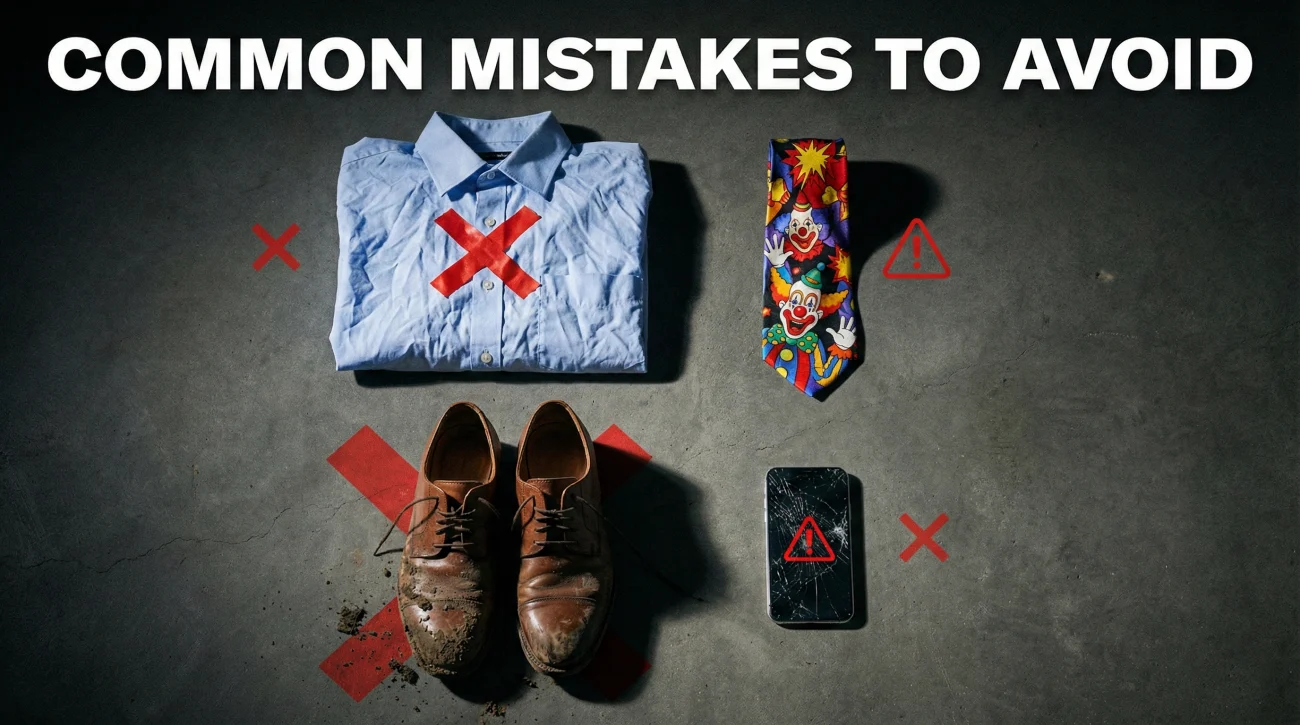
- Assuming “casual” means anything goes
- Wearing interview clothes for the first time on interview day
- Forgetting about visible tattoos or piercings in conservative environments
- Choosing comfort over appropriateness
- Ignoring weather conditions that will affect your appearance on arrival
Plan for weather. If it’s raining, bring a change of shoes. If it’s hot, wear fabrics that resist sweat stains. Arriving disheveled from weather undermines your careful preparation.
Expert Advice: Wear your complete interview outfit at least once before the actual interview. Check for comfort, fit, and anything that might become distracting over a long interview day.
❓ FAQ
🎯 What if I can’t afford interview clothes?
Thrift stores often have professional clothing at fraction of retail prices. Focus on one complete outfit that fits well. Clean, pressed, well-fitting affordable clothing beats expensive ill-fitting options.
💼 Should I match what I’d wear daily on the job?
Slightly more formal than daily attire is typical for interviews. If the office is jeans and t-shirts daily, interview in business casual. If daily is business casual, interview in business formal.
⏰ Does dress code matter for video interviews?
Yes. Dress professionally from the waist up at minimum. Many candidates have been caught standing up in inappropriate lower half attire. Play it safe and dress fully.
📋 How do I handle visible tattoos?
Research the company culture. Many modern workplaces accept visible tattoos. Conservative industries may expect coverage. When uncertain, covering is the safer choice for interviews.
✨ Can I be overdressed?
Yes. A formal suit at a casual startup signals that you don’t understand their culture. Research matters. Slight overdressing is better than underdressing, but significant overdressing creates its own problems.
Final Thoughts
Knowing what to wear to an interview requires research, not guesswork. Each industry has expectations, each company has its culture, and each role level has its standards.
Your clothing choice tells interviewers whether you understand their environment before you’ve demonstrated any other qualification. Make that first impression work for you by dressing deliberately for the specific opportunity, not generically for “an interview.”
⚠️ Disclaimer: The interview strategies, sample answers, and negotiation tips provided in this guide are for educational purposes only. Hiring decisions are subjective and vary by company and industry. While these strategies are based on professional HR standards, they do not guarantee a specific job offer or result.