Organizations Change
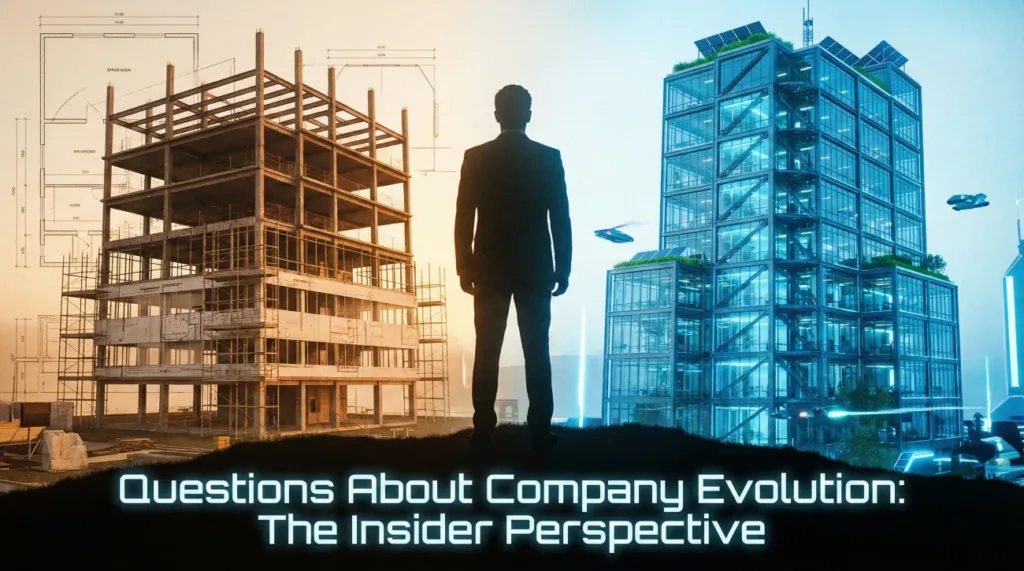
The company you’re interviewing with today isn’t the same company it was three years ago. Culture shifts. Leadership changes. Products evolve. Markets transform. The organization you’d be joining is a moving target, not a static entity.
Asking questions about company evolution reveals the trajectory you’d be part of. You learn whether the company is growing or contracting, improving or declining, becoming more or less aligned with what you’re seeking. The insider perspective of someone who’s lived through changes tells you things that external research can’t.
These questions also demonstrate sophisticated thinking. Most candidates focus only on the current state. You’re showing you understand that organizations are dynamic and that the direction of change matters as much as the current snapshot.
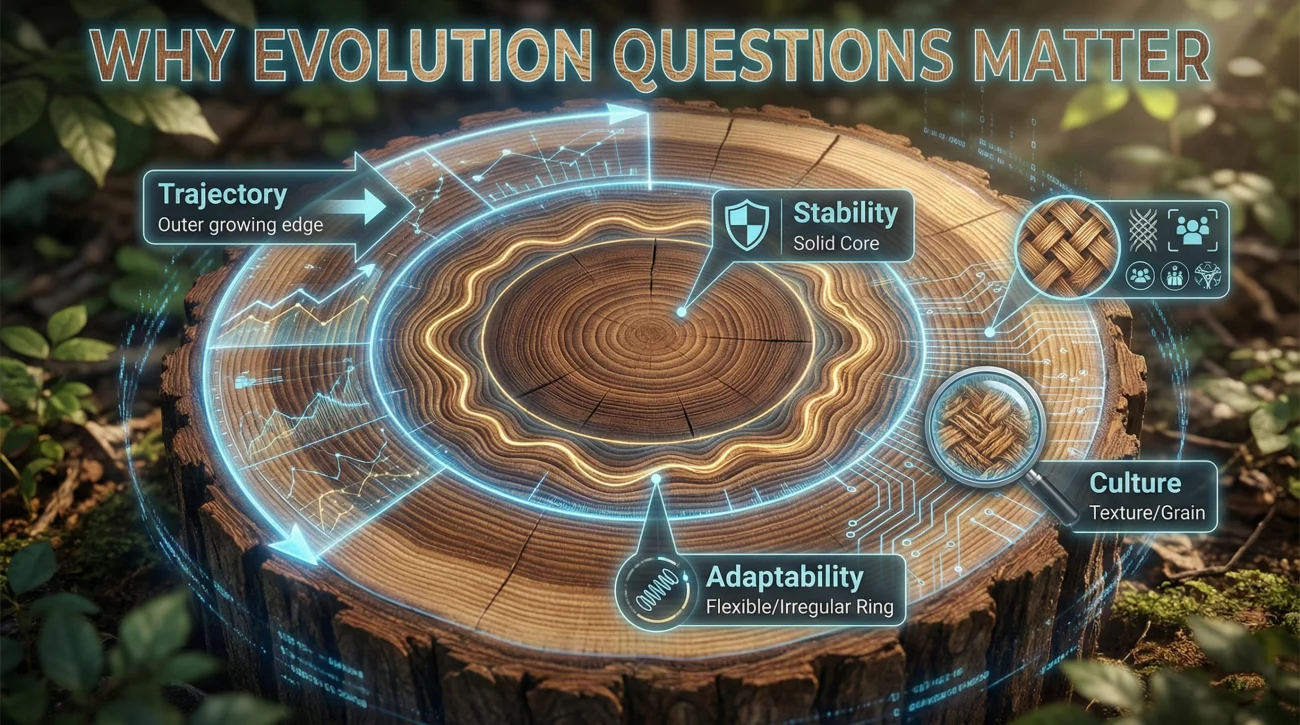
Why Evolution Questions Matter
Understanding Trajectory
Is this company getting better or worse? Are problems being addressed or accumulating? Is culture strengthening or eroding? The direction of change often matters more than the current position. A company improving from a difficult place might be more promising than one declining from a strong position.
Assessing Stability
Constant, chaotic change creates stressful environments. Thoughtful, strategic evolution suggests organizational maturity. Understanding the nature and pace of change helps you assess what your experience would be like.
Evaluating Adaptability
Companies that evolve successfully demonstrate adaptability that predicts future success. Those that struggle to change may face challenges as markets shift. How they’ve handled past evolution suggests how they’ll handle future challenges.
Revealing Culture
How someone describes change reveals cultural attitudes. Do they speak with pride about improvements? Frustration about missteps? Resignation about problems? Enthusiasm about new directions? Their emotional tone tells you about the culture beneath official descriptions.
Effective Evolution Questions
The Since-You-Joined Question
“How has the company changed since you joined? What’s different now?”
This invites a personal perspective on evolution. Their answer reveals what changes have been most noticeable from the inside and whether they view those changes positively or negatively.
The Biggest Change Question
“What’s been the biggest change here in the past few years?”
This focuses on significant shifts rather than gradual evolution. The biggest change reveals organizational priorities and challenges. How they discuss it shows how well change is managed.
The Improvement Question
“What’s gotten better here over time? What improvements have you seen?”
This focuses on positive trajectory. Organizations that can point to concrete improvements are likely still improving. Inability to name improvements might suggest stagnation or decline.
The Challenge Evolution Question
“What challenges has the company worked through? How were they addressed?”
This reveals resilience and problem-solving capability. Every organization faces difficulties. How they’ve navigated past challenges predicts how they’ll handle future ones.
The Culture Shift Question
“How has the culture evolved? Is it different from when you started?”
Culture change often reflects deeper organizational dynamics. Understanding how culture has shifted helps you assess whether current culture is stable or in flux.
Decoding the Answers
| What They Say | What It Might Mean |
|---|---|
| Enthusiastic about changes | Positive trajectory; pride in evolution |
| Nostalgic for “the old days” | Changes may have been negative; culture loss |
| Specific improvements with examples | Thoughtful evolution; organizational learning |
| “Nothing really changes here” | Stagnation; resistance to improvement |
| Mentions many leadership changes | Instability; possibly direction changes often |
| Discusses challenges overcome | Resilience; ability to navigate difficulty |
Pay attention to emotional tone, not just content. Someone describing positive changes with flat affect might be reciting talking points rather than sharing genuine experience.
Evolution Patterns to Recognize
Growth Evolution
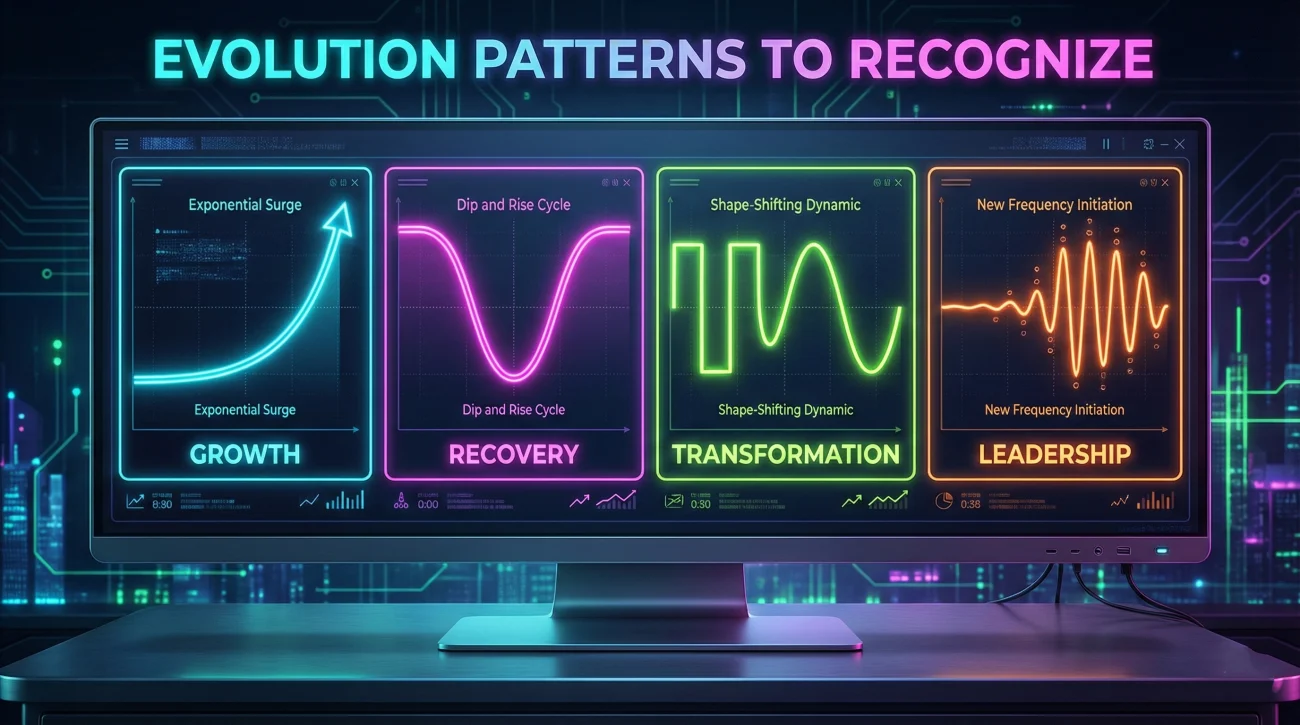
Rapid growth creates specific changes: new processes, new hires, new challenges. Ask how the organization has adapted to growth. Successful growth evolution suggests good management. Chaotic growth evolution suggests you might be joining disorder.
Recovery Evolution
Some companies are recovering from difficulties: layoffs, failed products, leadership crises. Recovery can be positive if handled well. Understanding where they are in recovery helps you assess timing and risk.
Strategic Transformation
Major strategic shifts change what companies do and how they operate. Understanding ongoing transformation helps you assess whether your skills align with where they’re heading, not just where they’ve been.
Leadership Evolution
Leadership changes often trigger broader evolution. New executives bring new priorities, styles, and strategies. Understanding recent leadership evolution helps you predict what’s coming next.
Going Deeper
Future Direction
- “Based on the trajectory you’ve seen, where do you think the company is heading?”
- “What changes do you expect or hope for in the coming years?”
- “Is there anything about the direction that concerns you?”
Role Evolution
- “How has this role evolved over time?”
- “What’s changed about what success looks like in this position?”
- “How do you see this role evolving as the company grows?”
Lessons Learned
- “What has the company learned from past challenges?”
- “Are there changes that didn’t work out as planned? What happened?”
- “What would you do differently if you could go back?”
For more closing interview strategies, see our comprehensive interview questions guide.
Role-Specific Evolution Questions
This Specific Role
“How has this role evolved since it was created? What’s different about expectations now compared to originally?”
Understanding how the role has changed helps you see where it’s heading. A role that’s expanded suggests growth opportunity. One that’s narrowed might indicate constraints or shifting priorities.
Team Evolution
“How has this team grown or changed? Are there new capabilities compared to a few years ago?”
Team evolution affects your experience. Growing teams offer advancement opportunities. Shrinking teams might face resource constraints that affect your work.
Skills Evolution
“What skills have become more important here over time? What do you need now that wasn’t as critical before?”
This reveals where value is shifting, helping you understand whether your skills are becoming more or less relevant to organizational needs.
❓ FAQ
🎯 What if the interviewer is new and hasn’t seen much evolution?
Ask about their onboarding experience and early observations instead. “What surprised you when you joined?” or “How does reality compare to what you expected?” reveals useful information even from newer employees.
💼 Should I be concerned if they describe a lot of negative change?
It depends on trajectory. If negative changes are in the past and things are improving, that might be fine. If negative changes are ongoing or recent, that’s more concerning. Ask about current direction to clarify.
⏰ How do I verify what they tell me about evolution?
Ask multiple interviewers the same questions. Cross-reference with Glassdoor reviews over time, news about the company, and any industry analysis available. Consistent stories across sources are more reliable.
📋 What if they’re evasive about past challenges?
Some caution about discussing difficulties is normal, especially with external candidates. But complete inability to acknowledge any challenges might suggest either unrealistic culture or excessive spin. Every organization has faced difficulties.
✨ Does company size affect how I should think about evolution?
Yes. Small companies can change dramatically quickly. Large companies evolve more slowly but changes often have bigger implications. Adjust your expectations and questions based on organizational size and stage.
Join the Story in Progress
Asking questions about company evolution reveals the trajectory you’d be joining. Learn what’s changed, what’s improved, how challenges were addressed, and where things are heading. Pay attention to emotional tone as much as content. Compare answers across interviewers and external sources. The organization you’d join isn’t static. Understanding its evolution helps you predict your experience and assess whether the direction aligns with where you want your career to go. You’re not just taking a job. You’re joining a story already in progress. Make sure you understand the plot before you become a character.
⚠️ Disclaimer: The interview strategies, sample answers, and negotiation tips provided in this guide are for educational purposes only. Hiring decisions are subjective and vary by company and industry. While these strategies are based on professional HR standards, they do not guarantee a specific job offer or result.