Why Soft Skills Questions Matter
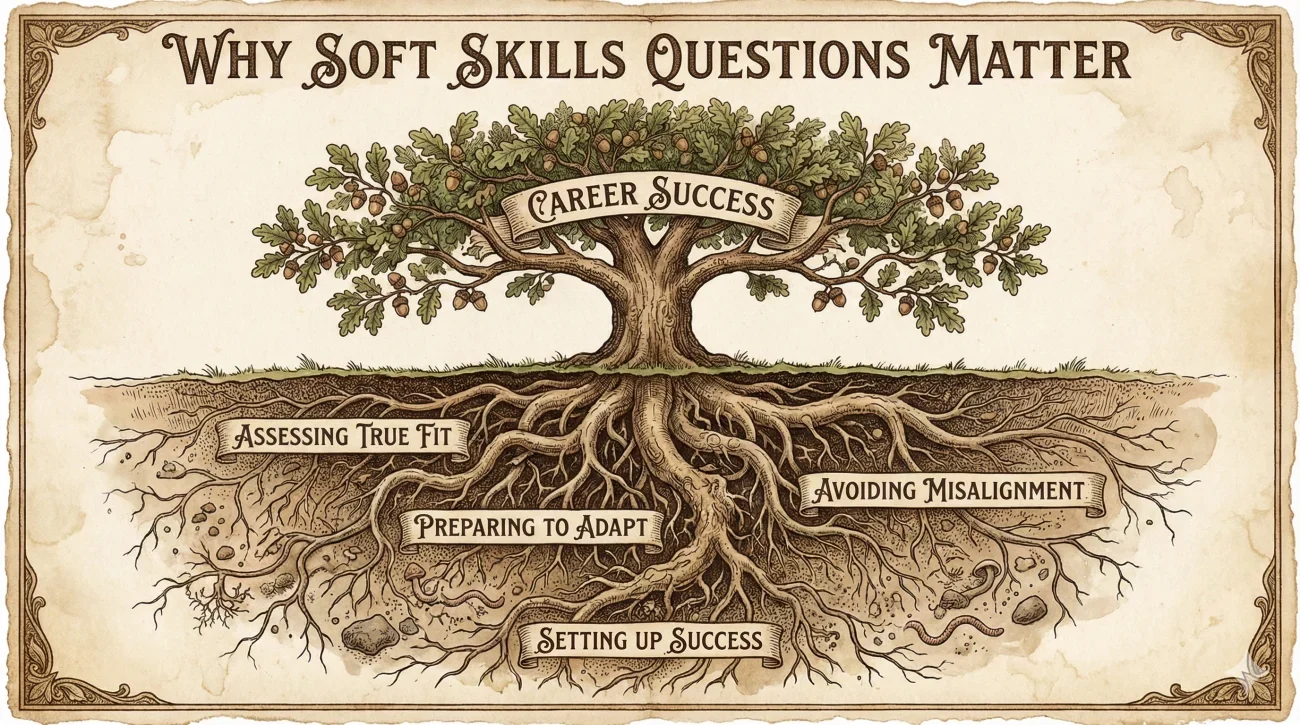
Assessing True Fit
Skills can be developed. Personality is harder to change. If success here requires traits that don’t come naturally to you, you might struggle even with strong technical skills. Understanding the soft skills that matter helps you evaluate authentic fit.
Preparing to Adapt
If you understand what traits are valued, you can consciously adjust your approach. Maybe you need to be more assertive than usual, more collaborative, more patient. Knowing the expectations lets you prepare.
Setting Up for Success
When you know what leads to success, you can emphasize those aspects of yourself from day one. You’re not guessing about what matters. You have a roadmap for making a positive impression.
Avoiding Misalignment
Some environments genuinely won’t suit you. If success requires traits you lack or behaviors you find exhausting, you might be signing up for constant struggle. Better to know before accepting.
Effective Questions to Ask
The Success Profile Question
“What soft skills or personality traits tend to make someone successful here?”
This directly asks for the success profile. Listen for specific traits rather than generic qualities. If they say “communication skills,” push for specifics: “What kind of communication? Written, verbal, presentations?”
The Thrive Question
“What type of person really thrives in this culture? What helps them do well?”
This focuses on thriving, not just surviving. Some people make it through but never flourish. You want to know what leads to genuine success and satisfaction, not just adequate performance.
The Struggle Question
“On the flip side, what type of person tends to struggle here?”
The inverse is equally valuable. Understanding what doesn’t work helps you assess risk. If the struggles they describe sound like you, take that seriously.
The Star Performer Question
“When you think of the people who are most successful here, what do they have in common?”
This anchors the conversation in real examples. Abstract discussions about valued traits can be vague. Real examples of successful people provide concrete models.
The Role-Specific Question
“For this specific role, beyond technical skills, what qualities would help someone excel?”
Different roles require different soft skills even within the same organization. A role requiring heavy collaboration needs different traits than one requiring deep independent focus.
Common Soft Skills Profiles
| Environment Type | Typically Valued Traits |
|---|---|
| Fast-paced startup | Adaptability, initiative, comfort with ambiguity, resilience |
| Large corporation | Political savvy, patience, cross-functional collaboration, diplomacy |
| Client-facing roles | Empathy, communication, patience, problem-solving under pressure |
| Creative environments | Innovation, constructive conflict, giving and receiving feedback |
| Technical teams | Precision, intellectual humility, continuous learning, collaboration |
| Sales organizations | Resilience, competitiveness, relationship building, energy |
These are generalizations. The specific organization might differ significantly from patterns. That’s why asking directly matters more than assuming based on stereotypes.
Decoding the Answers
Look for Specificity
Good answers include specific traits with examples. “People who do well here are proactive about raising concerns rather than waiting for problems to escalate.” Vague answers like “good people skills” don’t tell you much.
Check for Consistency
Ask multiple interviewers the same question. If different people describe different success profiles, the organization might lack clear culture or different parts operate very differently.
Listen for Honest Tensions
Some interviewers will be honest about trade-offs. “You need to be comfortable with conflict because we debate ideas pretty intensely here” is more useful than “we value collaboration” without acknowledging that collaboration sometimes means disagreement.
Observe the Interviewer
The interviewer themselves is a data point. If they’re successful here, their communication style, energy level, and approach give you hints about what’s valued.
Honest Self-Assessment
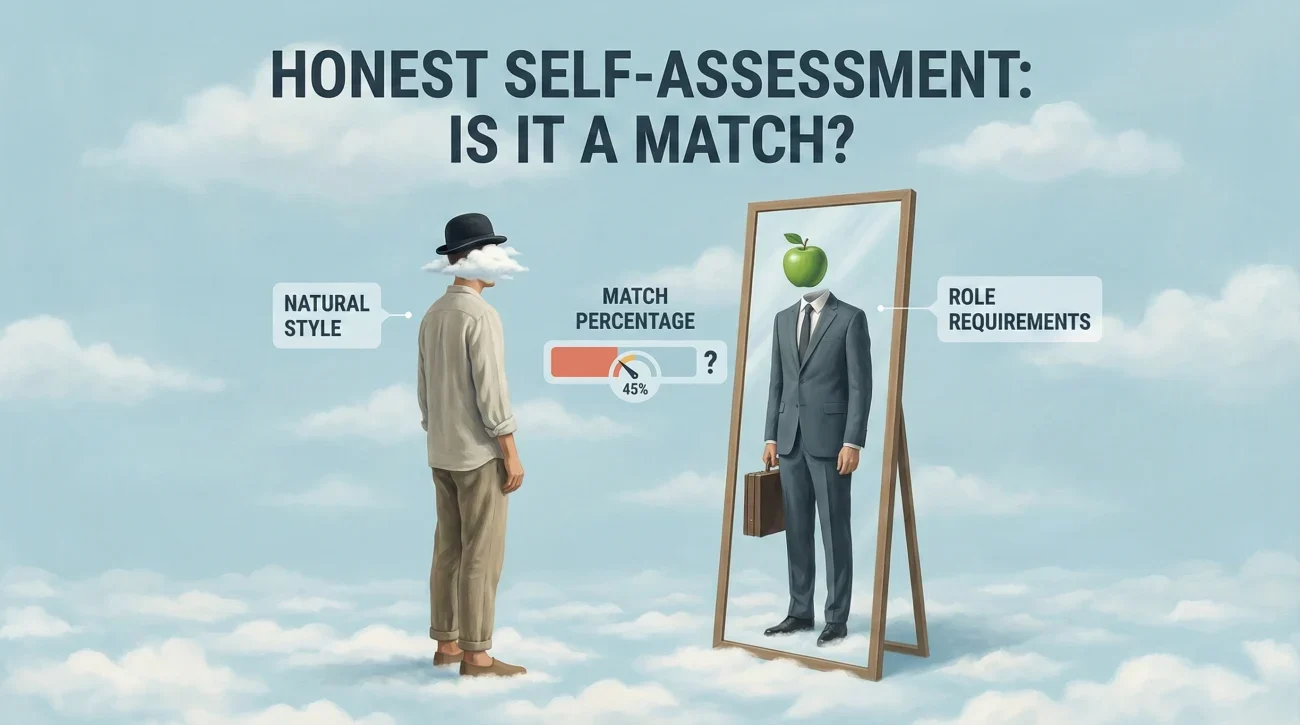
Your Natural Style
What traits come naturally to you? Where do you shine without trying? If the success profile matches your natural tendencies, that’s a good fit signal. If it requires constant effort against your grain, that’s a warning.
Your Development Edge
Some mismatches are development opportunities. If you want to become more assertive and success here requires assertiveness, the mismatch might be exactly what you need for growth.
Be Honest with Yourself
Don’t convince yourself you can become someone you’re not. If they describe success requiring traits fundamentally opposed to your personality, believe them. You might survive, but you probably won’t thrive.
For more on evaluating employer fit, see our comprehensive interview questions guide.
❓ FAQ
🎯 Should I change my behavior based on what they describe?
Minor adaptations are normal and fine. Pretending to be someone you’re not isn’t sustainable. Use this information to decide if the fit is right and to emphasize genuine aspects of yourself that align with their success profile.
💼 What if their success profile sounds like everyone?
Generic answers like “smart, hardworking team players” don’t distinguish this environment from any other. Push for specifics: “What does that look like in practice here? What makes someone stand out beyond being generally competent?”
⏰ Is asking about potential failure traits too negative?
Not if framed constructively. “What type of person tends to struggle here?” shows realistic thinking. Most interviewers appreciate candidates who understand that fit matters and want honest assessment rather than just selling themselves.
📋 How much weight should I give to soft skills fit versus other factors?
Significant weight. Technical skills can be developed. Culture fit affects daily experience and long-term success. A role that’s technically perfect but requires constant personality suppression often leads to burnout or departure.
✨ What if I have the opposite of traits they describe as successful?
Take it seriously. You might be able to compensate or adapt, but you’d be fighting uphill. Consider whether you genuinely want to develop in those directions or whether a better-fitting environment would let you succeed more naturally.
Find Where You Fit
Asking soft skills for success questions reveals the hidden traits that determine who thrives in this environment. Learn what personality characteristics, working styles, and interpersonal approaches lead to success and satisfaction. Compare honestly against your natural tendencies. Technical skills get you hired. Soft skills determine whether you flourish. The best career decisions come from finding environments where your natural working style is an asset, not something you constantly fight against. Ask these questions, listen carefully, and choose places where you can succeed as yourself.
⚠️ Disclaimer: The interview strategies, sample answers, and negotiation tips provided in this guide are for educational purposes only. Hiring decisions are subjective and vary by company and industry. While these strategies are based on professional HR standards, they do not guarantee a specific job offer or result.