Beyond Generic Gratitude
Most thank you emails are forgettable. They say thanks, express continued interest, and disappear into inboxes without impact. The interviewer skims it, maybe smiles, and moves on. Your message joins thousands of similar messages they’ve received.
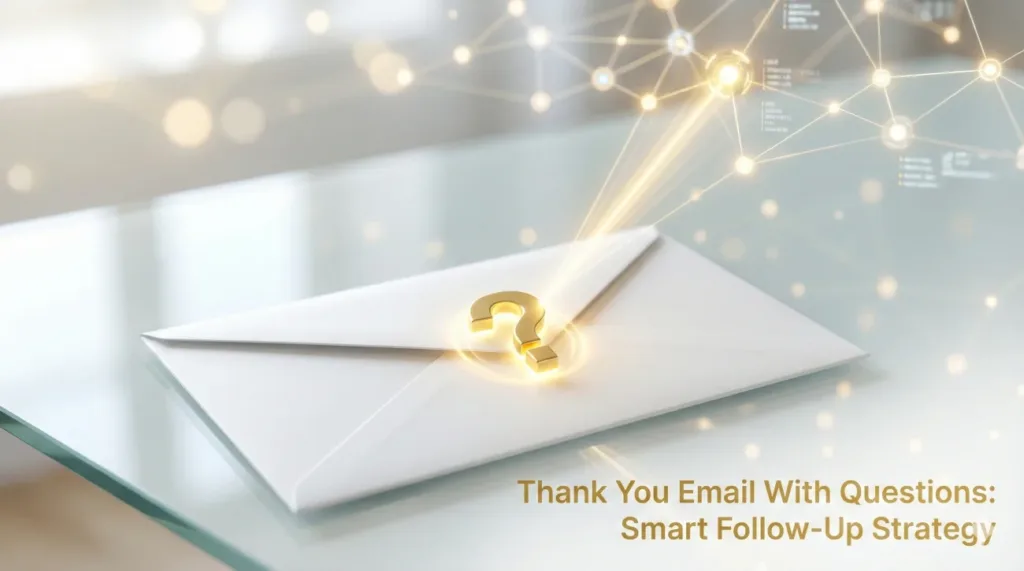
A thank you email with questions does something different. It continues the conversation. It gives them a reason to respond. It demonstrates you’re still thinking about the role and the discussion you had. A thoughtful question transforms a formality into an opportunity.
This approach requires more effort than a template thank-you. But that effort differentiates you from candidates who send generic messages. And the response you might receive provides valuable information and extends your connection with the interviewer.
Why Questions in Thank You Emails Work
Creating Engagement
A question invites response. Generic thank you emails require no action. Including a question gives them a reason to engage with your message more deeply and potentially reply, which extends your interaction beyond the interview.
Demonstrating Continued Interest
Questions show you’re still thinking about the role. You didn’t just interview and forget. You reflected on the conversation and have genuine curiosity about specifics. This signals authentic engagement.
Showing Thoughtfulness
A good follow-up question requires thought. It references something specific from your conversation and extends it meaningfully. This demonstrates the quality of thinking you’d bring to the role.
Gathering Information
If they respond, you learn something useful. Whether it’s clarity on a topic you discussed, additional insight into the role, or simply confirmation of their interest in you, the response has value beyond the question itself.
Types of Questions to Include
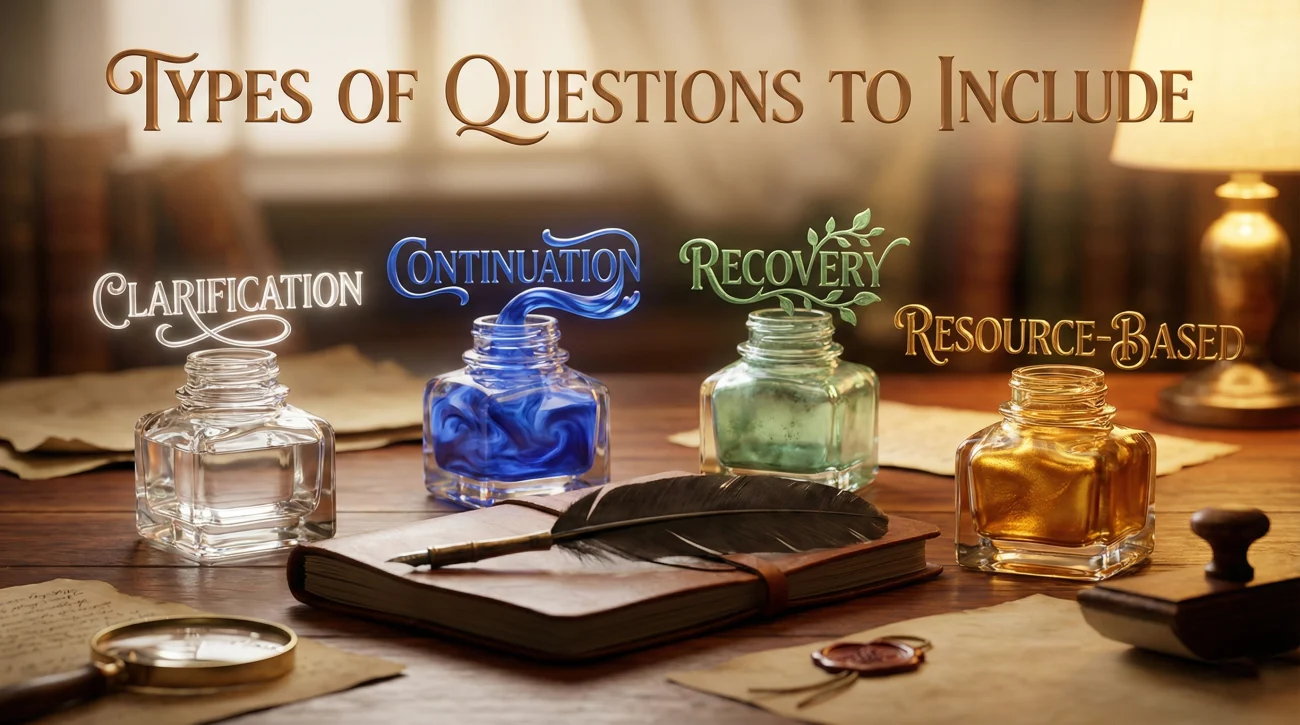
Clarification Questions
“You mentioned the team is expanding into new markets. I’d be curious to know which markets are highest priority.”
These questions reference something from the interview and ask for more detail. They show you were paying attention and want to understand more deeply.
Continuation Questions
“Our conversation about the challenges in the sales process got me thinking. What approaches have you considered for addressing the handoff issues you mentioned?”
These extend a topic you discussed, showing ongoing thought about their challenges and potential solutions.
Questions You Forgot to Ask
“I realized I forgot to ask about the team’s approach to remote collaboration. How does the team stay connected when working from different locations?”
These acknowledge something you missed while demonstrating continued interest in understanding the role fully.
Resource-Based Questions
“After our conversation, I read the recent article about your company’s expansion plans. How does this role connect to that growth strategy?”
These show you’ve done additional research, connecting external information to what you discussed.
Email Structure
The Format
Subject: Thank you for the conversation [+ specific reference]
Dear [Name],
Thank you for taking the time to speak with me about [role]. I particularly enjoyed our discussion about [specific topic].
[1-2 sentences connecting something from the interview to your interest or qualifications]
[Your question, framed naturally]
I’m very interested in the opportunity and look forward to hearing about next steps.
Best regards,
[Your Name]
Timing
Send within 24 hours of the interview, ideally same day or next morning. Prompt follow-up shows professionalism and maintains momentum while the conversation is fresh.
Length
Keep it brief. Three to four short paragraphs maximum. Your question shouldn’t require a lengthy setup. Respect their time while making your point.
Complete Examples
For a Product Role
Subject: Thank you – Product Manager conversation
Hi Sarah,
Thank you for the conversation today about the Product Manager role. I appreciated your candid discussion of the challenges the team is facing with the mobile roadmap.
Our discussion about balancing feature requests from enterprise customers with consumer user needs really resonated with me. I’ve navigated similar tensions in my current role and find that kind of prioritization work genuinely interesting.
I was thinking more about the customer feedback loop you mentioned. How does the team currently gather and synthesize feedback from the different user segments?
I’m excited about the opportunity and look forward to the next steps.
Best,
Alex
For a Marketing Role
Subject: Great conversation – Marketing Manager position
Hi David,
Thank you for speaking with me about the Marketing Manager position. I enjoyed learning about the brand evolution you’re planning and the exciting challenges ahead.
Your mention of the upcoming product launch timeline was particularly interesting. Given the aggressive schedule, I’m curious: what does the current content creation process look like, and where do you see the biggest opportunities to increase efficiency?
I believe my experience building rapid-response content systems could be valuable for the launch you described. I’m very interested in the role and hope to continue our conversation.
Best regards,
Jordan
For more interview strategies, see our comprehensive interview questions guide.
Mistakes to Avoid
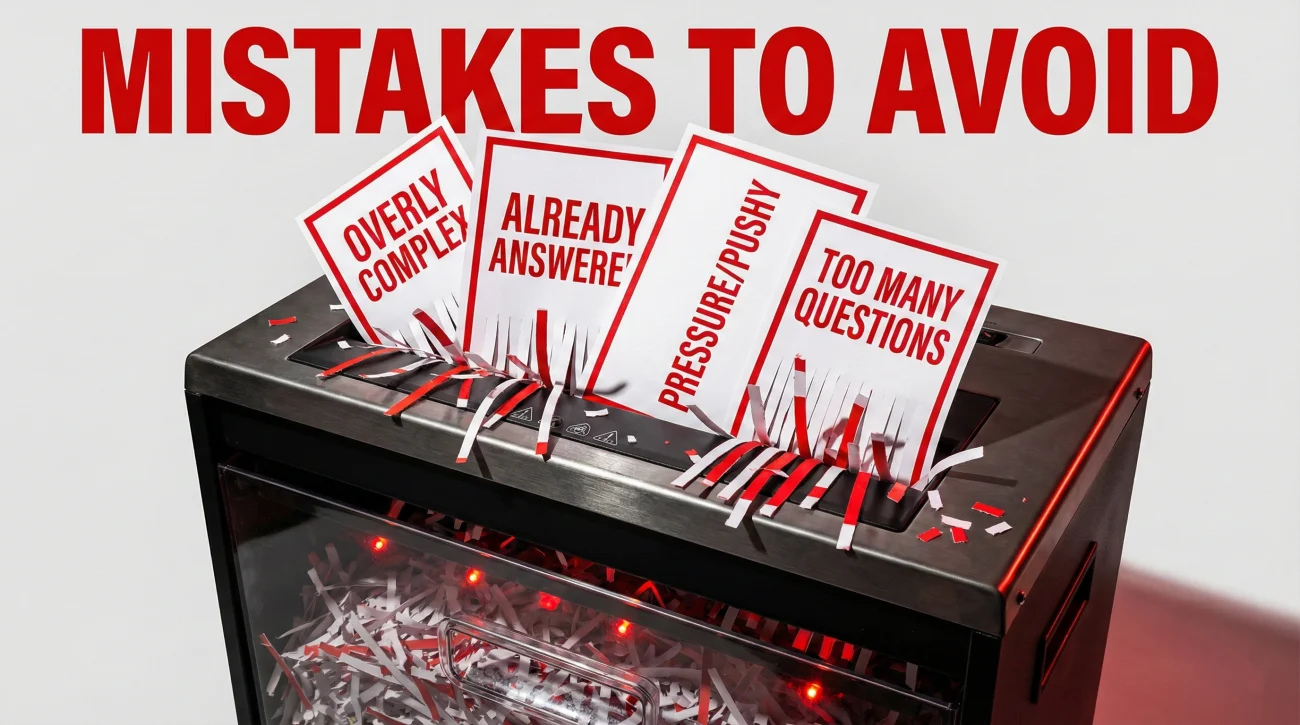
Overly Complex Questions
Your question should be answerable in a few sentences. Don’t ask something that requires a detailed report to answer. Simple, focused questions work best.
Questions Already Answered
Don’t ask about something they fully addressed in the interview. This suggests you weren’t listening. Your question should extend the conversation, not repeat it.
Pressure Questions
Avoid questions that feel like demands for timeline updates or decisions. “When will you make a decision?” in a thank you email feels pushy. Save process questions for appropriate follow-up timing.
Multiple Questions
Stick to one question. Multiple questions make your email feel like an interrogation rather than a thoughtful follow-up.
Note: Not every thank you email needs a question. If you can’t think of something genuine and valuable to ask, a sincere thank you without a question is better than a forced one.
When They Respond
Reply Promptly
If they answer your question, respond within a day. Thank them for the additional information and briefly acknowledge the value of their response.
Keep It Short
Your response to their response should be brief. Don’t turn it into another round of questions. A simple acknowledgment maintains connection without being demanding.
Read the Signal
A detailed, thoughtful response often indicates interest. A brief or slow response doesn’t necessarily indicate lack of interest, but it’s less positive signal than enthusiastic engagement.
❓ FAQ
🎯 What if I can’t think of a good question?
Don’t force it. A generic thank you email is better than a thank you with a weak or irrelevant question. The question should add value, not just exist for its own sake.
💼 Should I send the same email to multiple interviewers?
No. Customize each email to reference your specific conversation with each person. Different questions for different interviewers, or questions for some and simple thanks for others, is appropriate.
⏰ What if they don’t respond to my question?
Don’t take it personally. Busy people don’t always respond, even to good questions. The email still demonstrates your thoughtfulness whether or not they reply. Don’t follow up asking why they didn’t answer.
📋 Is email the right format, or should I use LinkedIn?
Email is the professional standard for thank you messages. LinkedIn can supplement but shouldn’t replace email. If you don’t have their email, ask or find it through the company website.
✨ How do I find something to ask about if the interview was very thorough?
Reflect on what you discussed and what wasn’t fully explored. Or do additional research after the interview and ask about something you discovered. The question doesn’t have to come directly from the interview conversation.
Continue the Conversation
A thank you email with questions transforms a formality into an opportunity. Include one thoughtful question that extends your interview conversation meaningfully. Reference something specific from your discussion. Keep the email brief and the question focused. Send within 24 hours while the conversation is fresh. Not every email needs a question, but when you have something genuine to ask, including it demonstrates continued engagement and gives them a reason to respond. The best follow-up emails are memorable precisely because they continue a conversation rather than just close one.
⚠️ Disclaimer: The interview strategies, sample answers, and negotiation tips provided in this guide are for educational purposes only. Hiring decisions are subjective and vary by company and industry. While these strategies are based on professional HR standards, they do not guarantee a specific job offer or result.