The Hidden Dimension
When interviewers ask you to tell me something not on your resume, they’re looking past professional qualifications to understand who you are as a person. Resumes are sterile documents filled with job titles and bullet points. Humans hire humans, and interviewers want to know something authentic about the person behind the document.
This question is both an opportunity and a trap. The opportunity: you can share something memorable that differentiates you from other qualified candidates. The trap: you might share something inappropriate, irrelevant, or that raises concerns.
A recruiter explained what she’s looking for: “I’m trying to understand the whole person, not just their professional capabilities. I want to see personality, passion, and some indication that they’re interesting to work with. But I’m also watching for red flags. People who can’t navigate this question sometimes reveal poor judgment.”
Meaningful Interests
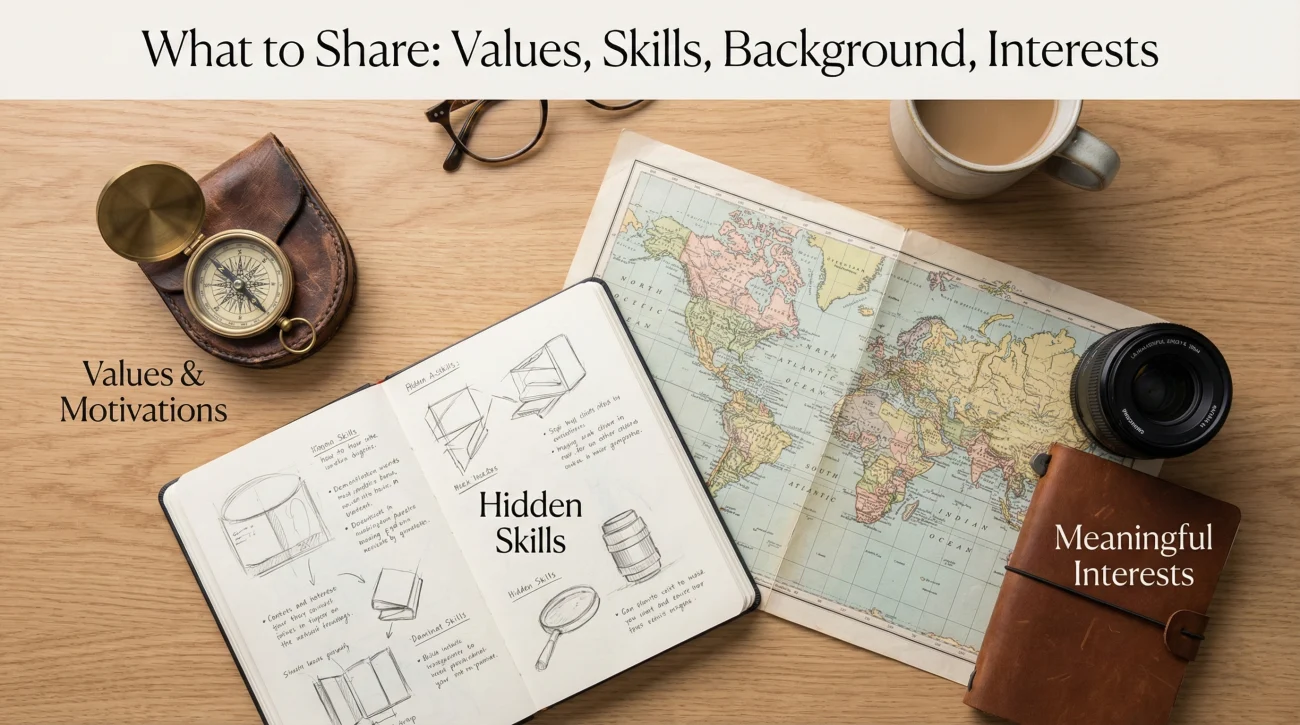
Hobbies and interests outside work reveal personality and often demonstrate transferable qualities. Someone who runs marathons shows discipline. Someone who volunteers demonstrates values. Someone who restores old cars shows patience and problem-solving.
The key is choosing interests that either connect to the role or reveal something genuinely interesting about you.
Hidden Skills
Skills that don’t fit neatly on your professional resume but might be relevant or interesting. Speaking a second language, technical hobbies, certifications outside your field, or creative abilities all fall here.
Unusual Background Elements
Past experiences that shaped you but don’t appear in your career history. Previous careers, significant life experiences, or unconventional paths to your current field can be compelling if presented well.
Values and Motivations
What drives you that isn’t captured in job descriptions? Why do you care about the work you do? Personal missions or values that inform your professional approach.
| Good to Share | Why It Works |
|---|---|
| Serious hobbies | Shows discipline, passion, and well-roundedness |
| Volunteer work | Demonstrates values and community orientation |
| Unique skills | Adds dimension and potential value |
| Interesting background | Makes you memorable and provides conversation |
| Personal projects | Shows initiative and genuine interest |
What to Avoid
Political or Religious Views
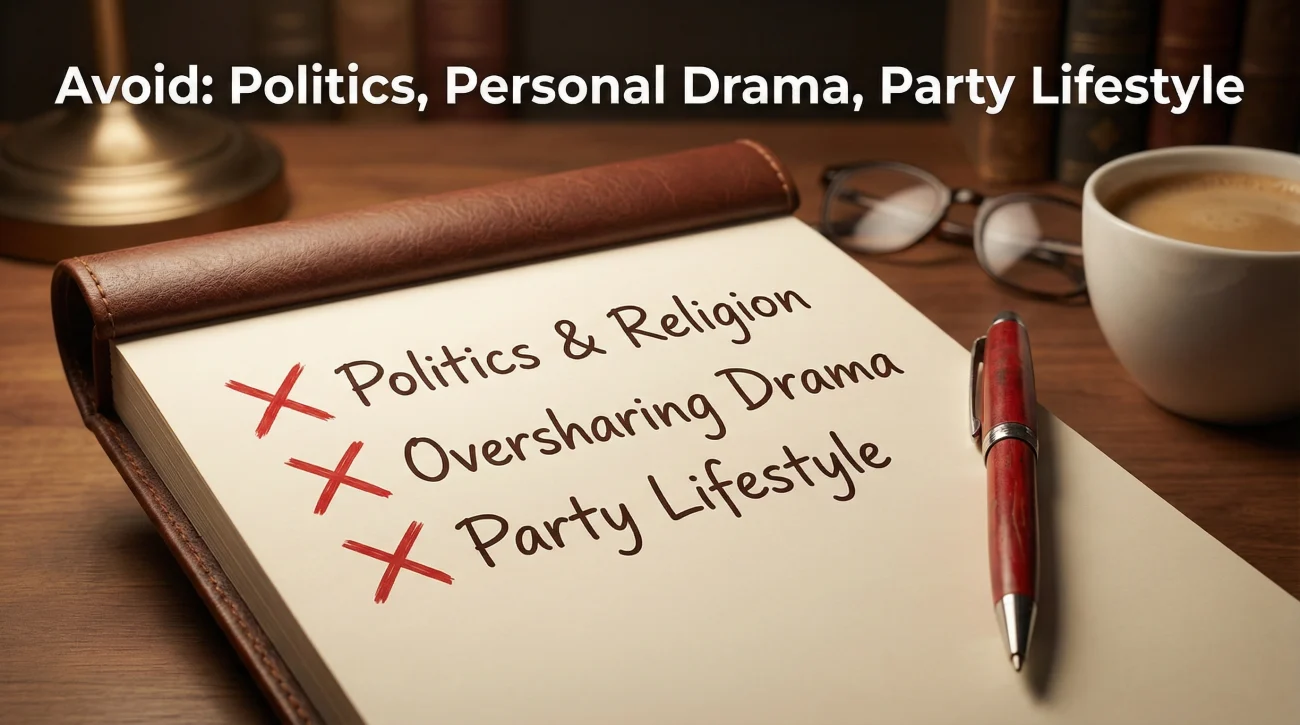
Unless directly relevant to the role or organization, keep these private. Interviewers shouldn’t ask about them, and volunteering them creates unnecessary risk of misalignment.
Overly Personal Details
Family drama, health issues, relationship status, or personal struggles generally don’t belong in interviews. The question asks for something not on your resume, but that doesn’t mean anything goes.
Party Lifestyle
“I’m really into the nightlife scene and go out every weekend.”
Even if true, this raises questions about reliability and professionalism. Keep lifestyle choices that might concern employers out of the conversation.
Negative Information
Don’t share past conflicts, grievances, or problematic history. This question isn’t confession time. Share something positive that adds to your candidacy, not something that detracts.
Nothing at All
“I can’t really think of anything. Work is pretty much my whole life.”
This suggests either poor self-awareness, inability to think on your feet, or a one-dimensional personality. Have something prepared.
Sample Answers
Meaningful Hobby
“Something that doesn’t appear on my resume is that I’ve been woodworking for about eight years. I build furniture in my garage, mostly tables and cabinets.
It started as stress relief but became something I take seriously. I’ve learned patience, planning, and the value of measuring twice before cutting. There’s something satisfying about creating something tangible with your hands after working in information and screens all day.
I’ve actually found the planning mindset transfers to my professional work too. Breaking down a complex piece of furniture into steps isn’t so different from project planning.”
Volunteer Experience
“What you won’t see on my resume is that I volunteer as a financial literacy instructor at our local community center. I teach evening classes to adults who want to understand budgeting and personal finance.
I started because finance made such a difference in my own life, and I wanted to help others who didn’t have access to that education. It’s become one of the most rewarding things I do.
Teaching also reinforced that I genuinely enjoy explaining complex concepts clearly, which is something I bring to my professional work too.”
Unusual Background
“Something that doesn’t fit on a business resume is that I was a competitive gymnast through my teens and coached for several years in college.
That experience shaped me more than most people realize. I learned to handle pressure, break down complex skills into teachable components, and work through failure. In gymnastics, you fall hundreds of times before landing a skill.
The coaching particularly taught me about adapting communication to different learning styles, which I use constantly in my current role when working across teams.”
Hidden Skill
“You wouldn’t know from my resume that I speak conversational Mandarin. I lived in Shanghai briefly after college and continued studying when I returned.
I’m not fluent, but I can hold conversations and it’s opened doors with international colleagues. Beyond the practical value, learning a language so different from English taught me how much our thinking is shaped by the language we speak.
It also gave me patience with communication challenges. When you’ve struggled to express yourself in another language, you become more patient when others struggle to express themselves clearly.”
For the complete self-introduction framework, visit our interview introduction guide.
Strategic Considerations
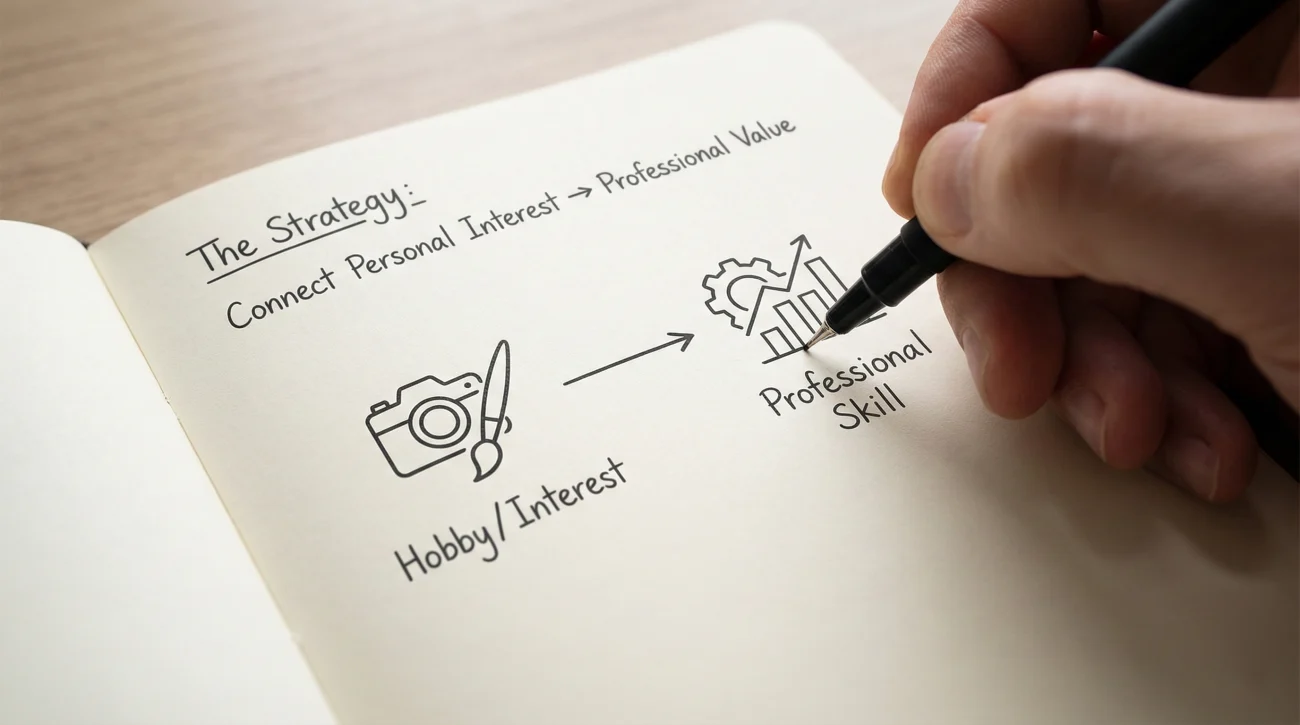
Connect to Professional Value
The best answers link personal interests to professional capabilities. You don’t have to force the connection, but finding a natural bridge shows thoughtfulness and makes the answer more than just small talk.
Be Memorable
Interviewers meet many candidates. Something distinctive about you helps them remember you when making decisions. Choose something that makes you stand out rather than blend in.
Enable Conversation
The best answers create natural follow-up opportunities. If you share something interesting, it might lead to engaging conversation that builds rapport. Choose topics you can discuss comfortably and enthusiastically.
Judgment test: This question assesses judgment as much as personality. What you choose to share and how you frame it reveals self-awareness and social intelligence. Navigate it thoughtfully.
❓ FAQ
🎯 How personal should I get?
Personal enough to be authentic and interesting, but not so personal that it’s inappropriate for professional context. Share something you’d be comfortable discussing with a respected colleague you don’t know well.
💼 What if my hobbies are boring?
There are no boring hobbies, only boring descriptions. If you enjoy reading, discuss why specific genres interest you and what you’ve learned. If you enjoy cooking, talk about what drew you to it. Passion makes anything interesting.
⏰ Should I prepare this answer?
Yes. This question catches many candidates off guard. Think about what you’d share, practice articulating it, and have the professional connection ready. Preparation lets you be thoughtfully authentic.
📋 What if I genuinely have no interesting hobbies?
Look broader. Past experiences, unusual skills, volunteer work, personal projects, learning pursuits, travel experiences. Something in your life adds dimension to who you are professionally.
✨ Can I mention something I’m learning?
Absolutely. Current learning projects show intellectual curiosity and growth mindset. “I’ve been teaching myself photography” or “I’m currently learning Spanish” are both great answers.
The Whole Person
Answering tell me something not on your resume well reveals personality while demonstrating judgment. Share meaningful interests, hidden skills, or unique background elements that add dimension to your candidacy. Avoid overly personal, political, or potentially concerning topics. Connect your answer to professional value when natural. This question is your chance to be memorable and human in an otherwise formal process. Navigate it thoughtfully, and you leave interviewers with a fuller picture of who you are beyond job titles and bullet points.
⚠️ Disclaimer: The interview strategies, sample answers, and negotiation tips provided in this guide are for educational purposes only. Hiring decisions are subjective and vary by company and industry. While these strategies are based on professional HR standards, they do not guarantee a specific job offer or result.