The Peer Perspective
When interviewers ask how would your coworkers describe you, they’re exploring a different angle than the boss question. Manager feedback reflects how you perform for authority. Peer feedback reflects how you function within teams, how you collaborate when no one has formal power over anyone else.
This distinction matters because most work happens horizontally. You collaborate with colleagues across functions, contribute to team dynamics, and navigate relationships where hierarchy doesn’t dictate outcomes. How peers experience working with you predicts how you’ll fit into the interviewer’s team.
A team lead shared why peer feedback matters to her: “I can teach skills and give direction. What I can’t easily change is how someone interacts with teammates. If coworkers consistently find someone difficult, draining, or unreliable, that’s a problem I can’t manage away. So I want to know what peers would say.”
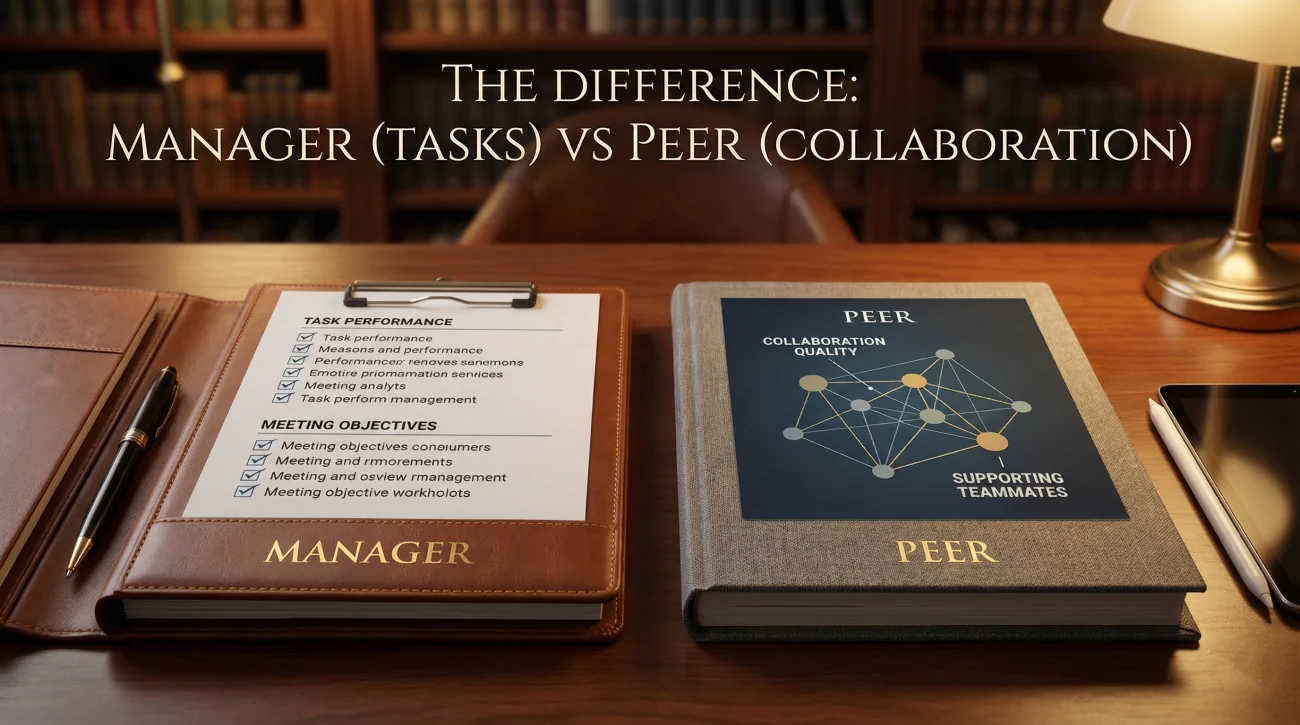
Different From Manager Feedback
Peer Dynamics
Coworker relationships involve give-and-take that manager relationships don’t. You ask for help and provide it. You negotiate priorities. You manage conflicts without authority to resolve them. The qualities that make you good at this differ from those that impress managers.
Valued Qualities
Peers typically value different things than managers. Reliability matters in both contexts, but peers especially notice whether you follow through on commitments to them when no one is watching. Collaboration style, willingness to help, and how you handle disagreement become more prominent.
Evidence Sources
Peer feedback might come from: direct comments from colleagues, 360-degree review feedback, how teams include you in projects, and the quality of working relationships you’ve maintained.
| Boss Perspective Focus | Peer Perspective Focus |
|---|---|
| Task performance | Collaboration quality |
| Meeting objectives | Supporting teammates |
| Taking direction | Working as equals |
| Individual reliability | Team contribution |
| Professional growth | Interpersonal dynamics |
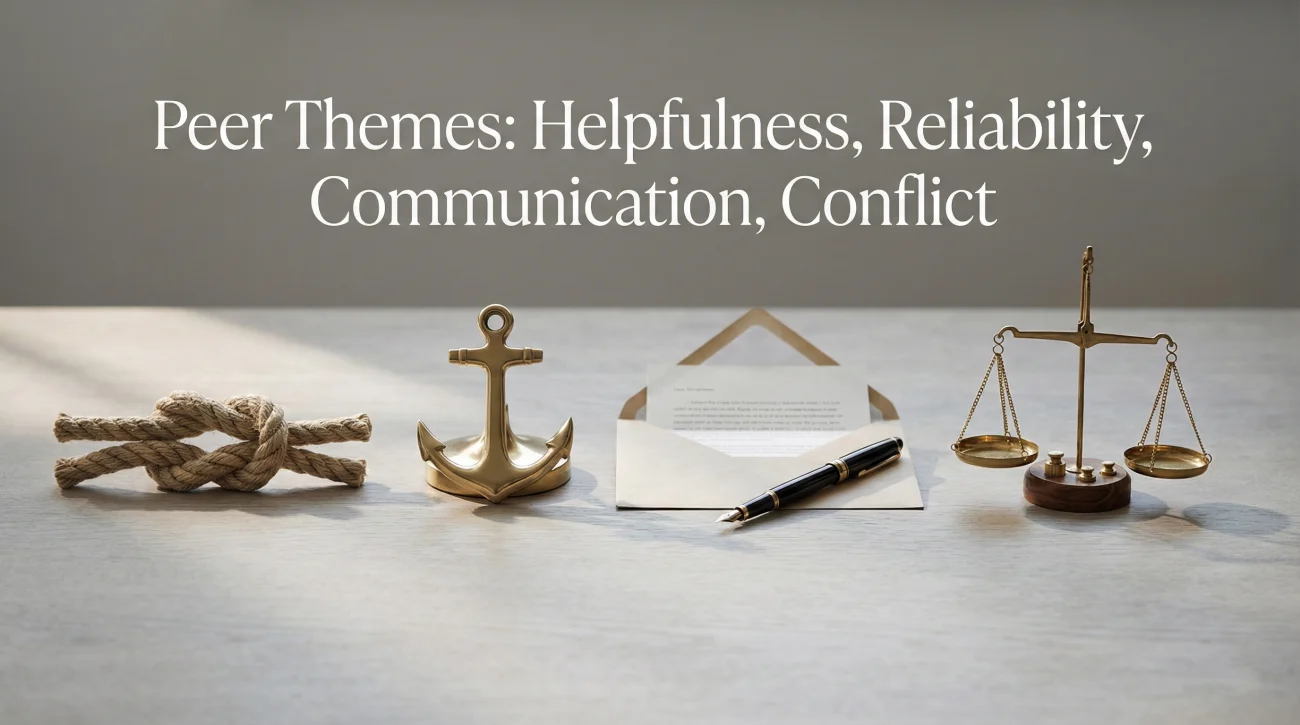
Common Peer Themes
Helpfulness
Do you help colleagues when they’re struggling? Are you willing to pitch in even when it’s not your responsibility? Peers remember who showed up when they needed support.
Reliability
When you commit to something in a peer context, do you follow through? Peers can’t hold you accountable the way managers can, so voluntary reliability matters more.
Communication
Are you easy to work with? Do you communicate clearly, respond promptly, and keep people informed? Or do colleagues have to chase you for updates?
Conflict Handling
How do you handle disagreement? Do you engage constructively or become defensive? Can you maintain good relationships even after difficult conversations?
Credit and Recognition
Do you share credit generously? Do you acknowledge others’ contributions? Or do you claim team successes as personal wins?
Sample Answers
Collaborative Style
“I think my coworkers would describe me as someone who’s easy to work with and genuinely helpful.
Several colleagues have told me they appreciate that I’m willing to drop what I’m doing to help when they’re stuck. I’ve had teammates say things like ‘you’re my first call when something goes wrong’ which I take as a compliment about being reliable support.
They’d probably also say I’m direct. I give honest feedback during reviews and discussions rather than just being agreeable. A colleague told me recently that he values my input because ‘you tell me what you actually think, not just what I want to hear.'”
Reliable Contributor
“Based on feedback I’ve received, I think colleagues would say I’m dependable and communicative.
On dependability, teammates have mentioned they know if I say I’ll do something, it gets done. One coworker told me during our project debrief that she ‘never had to worry about my parts being late’ which mattered because our work was interconnected.
On communication, they’d say I keep people informed. I tend to over-communicate project status because I’ve learned how much uncertainty stresses people out. A cross-functional partner told me he appreciated that he ‘never had to guess where things stood’ with my work.”
Positive Influence
“I believe my coworkers would describe me as optimistic and unifying.
Several colleagues have mentioned that I help keep team energy positive even during difficult stretches. One teammate told me after a tough project that I ‘somehow made crunch time bearable’ by maintaining perspective and finding things to laugh about.
On unifying, I tend to bring people together when there’s disagreement. I’ve been told I’m good at finding common ground and getting people aligned without anyone feeling steamrolled. A product manager once said I was ‘the glue’ on our cross-functional team.”
For a complete self-introduction framework, see our comprehensive interview guide.
Common Mistakes

Answering the Boss Question
Don’t repeat your answer about manager feedback. Peer dynamics are different. Focus specifically on how colleagues, not supervisors, would describe working with you.
Vague Claims
“They’d say I’m a team player and I work well with others.”
This says nothing specific. What do colleagues actually appreciate? What have they told you directly? Generic teamwork claims lack credibility.
Subtle Superiority
“They’d say I’m the one who always has the answers and helps everyone else.”
This positions you above your peers rather than among them. Frame yourself as a collaborative equal, not the team savior.
Revealing You Work Alone
If you struggle to describe peer feedback because you’ve always worked independently, that itself raises concerns about collaboration ability. Find examples from cross-functional work, informal collaboration, or previous team environments.
The collaboration test: Do people want to work with you again? Would teammates from past projects choose you for their next team? That voluntary selection is the real measure of how peers perceive you.
❓ FAQ
🎯 What if I work mostly independently?
Think broadly about collaboration: cross-functional partners, stakeholders you serve, people you’ve worked with on projects. Most roles involve some peer interaction. If truly none exists, explain how you’d approach teamwork based on past experiences.
💼 Should I include negative feedback from peers?
A minor constructive area can show self-awareness, but be careful. Significant peer conflicts are red flags. Keep any development area minor and show you’ve addressed it.
⏰ How is 360-degree feedback useful here?
360 reviews are gold for this question because they explicitly capture peer perspective. Quote themes or specific feedback from 360 reviews to add credibility to your answer.
📋 What if I had conflict with a coworker?
Don’t mention it in this answer. Focus on positive relationships. If asked specifically about conflict elsewhere in the interview, address it then with how you handled it constructively.
✨ Can I mention friends at work?
Frame them as colleagues first. “A close colleague” works better than “my work friend.” Focus on professional observations they’ve made, not personal friendship dynamics.
The Team Perspective
Answering how would your coworkers describe you demonstrates you can function within teams, not just perform for managers. Focus on peer-specific qualities: helpfulness, reliability in horizontal relationships, communication, and how you handle collaboration without authority. Draw from specific feedback colleagues have given you. Show that people want to work with you, not just that you can complete individual tasks. Teams hire individuals, but they succeed or fail together. Your peer relationships reveal whether you’ll strengthen or strain the team dynamic.
⚠️ Disclaimer: The interview strategies, sample answers, and negotiation tips provided in this guide are for educational purposes only. Hiring decisions are subjective and vary by company and industry. While these strategies are based on professional HR standards, they do not guarantee a specific job offer or result.