Sourcing Value Through Strategic Purchasing
Purchasing agent interview questions evaluate your ability to source materials and services that deliver value beyond simply the lowest price. You are finding suppliers, soliciting quotes, comparing bids, and negotiating terms that achieve cost savings while meeting quality and delivery requirements. Every sourcing decision you make affects your organization’s costs and competitiveness.
Hiring managers want purchasing agents who combine analytical rigor with negotiation skill. You need to develop RFQs that generate meaningful comparisons, analyze bids on total cost rather than just unit price, and ensure all purchases comply with procurement policies. They need someone who identifies savings opportunities and captures them through effective sourcing processes.
This guide covers RFQ development and management, bid analysis and comparison, cost savings strategies, procurement compliance, and supplier evaluation and selection.
RFQ Development & Management
Q: Describe your process for developing an effective RFQ.
I start by thoroughly understanding the requirement: specifications, quantities, delivery timeline, quality standards, and any special terms. I consult with stakeholders to ensure nothing is missed and that requirements are clear enough for suppliers to quote accurately. Vague RFQs generate vague responses that are difficult to compare.
The RFQ document includes detailed specifications, required delivery schedule, terms and conditions, evaluation criteria, and submission instructions with clear deadlines. I structure the response format to enable apples-to-apples comparison across bidders. I identify qualified suppliers to invite based on capability, capacity, and past performance, ensuring enough competition to generate meaningful options.
Q: How do you ensure RFQ responses are comparable?
I provide standardized templates that require suppliers to break down pricing in consistent formats. I specify exactly what should be included: unit costs, tooling, freight, packaging, taxes, and any other applicable charges. I require the same basis for quoting: FOB origin versus delivered, included versus excluded services, and payment term assumptions.
I establish a Q&A process during the bidding period so all suppliers receive the same clarifications. If one supplier’s question reveals ambiguity, I share the clarification with all bidders. This levels the playing field and prevents post-award surprises about what was or was not included in each quote.
Q: How do you determine which suppliers to invite to bid?
I balance competition with qualification. I include enough suppliers to generate competitive tension but limit invitations to those with demonstrated capability for the specific requirement. I research potential suppliers through industry sources, referrals, trade shows, and databases. For existing categories, I include current suppliers plus qualified alternatives.
I consider geographic factors, capacity constraints, and any diversity or sustainability goals. For specialized requirements, I may need to conduct capability assessments before including suppliers in the RFQ. Inviting unqualified suppliers wastes their time and ours while potentially disqualifying otherwise viable options if we lack good alternatives.
Q: How do you handle supplier questions during the RFQ period?
I establish a clear process upfront: questions submitted by a specific date, answers shared with all bidders. This ensures transparency and prevents any supplier from gaining unfair advantage through private clarifications. I compile questions and answers in a document that becomes part of the RFQ package.
Questions sometimes reveal that our specifications are ambiguous or incomplete. Rather than viewing this as inconvenient, I see it as valuable input that improves the RFQ. I update specifications if needed and extend deadlines when significant changes occur. The goal is obtaining the best possible quotes, which requires suppliers having complete and clear information.
Bid Analysis & Comparison
Q: How do you evaluate bids beyond just comparing prices?
I analyze total cost of ownership rather than just quoted unit price. This includes freight, payment terms impact, quality costs, lead time implications, and any tooling or setup charges amortized over expected volumes. A lower unit price with higher freight or quality risk may not actually be the best value.
I also evaluate capability and risk factors: supplier financial stability, capacity to meet our volumes, quality systems and certifications, delivery performance history, and responsiveness during the RFQ process. The best bid is the one that delivers required value at lowest total cost and acceptable risk.
Q: How do you compare quotes when specifications are not identical?
I normalize differences to enable fair comparison. If one supplier quotes a different specification, I assess whether it meets our actual requirements and adjust comparison accordingly. Sometimes a technically compliant alternative at lower cost is acceptable; sometimes exact specification compliance is mandatory.
I document differences clearly in my analysis so decision-makers understand what they are comparing. If significant differences exist, I may request revised quotes to common specifications before making recommendations. Transparency about what is being compared is essential for sound decisions.
Q: Describe your bid analysis documentation.
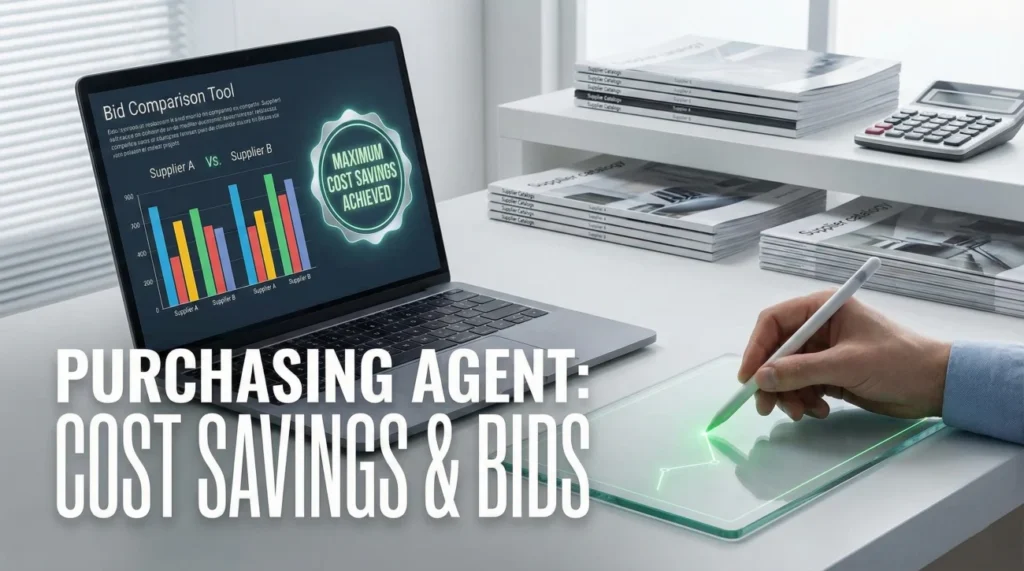
I create a structured comparison that shows all bids against evaluation criteria with clear scoring methodology. I document the total cost calculation including all factors considered. I note any exceptions, clarifications, or concerns for each bidder. The analysis supports the recommendation with objective evidence.
Documentation serves multiple purposes: supporting the immediate decision, providing audit trail for compliance, and creating reference for future sourcing. I maintain records of all quotes received, analysis performed, and rationale for selection. This protects both the organization and myself if decisions are later questioned.
Q: How do you handle a situation where the lowest bidder concerns you?
I investigate the concerns before either accepting or rejecting the bid. If the price seems unsustainably low, I verify they understood the requirements correctly and their quote includes everything needed. Sometimes low bids result from errors or misunderstandings rather than superior capability or efficiency.
If concerns relate to capability or reliability, I gather additional information: site visits, reference checks, financial reviews. I document my concerns and analysis clearly. If concerns remain after investigation, I recommend an alternative with clear justification for paying more. Choosing a supplier that fails ultimately costs more than selecting a reliable option at higher price.
Cost Savings Strategies
What strategies do you use to achieve cost savings?
I pursue multiple approaches depending on the category and situation. Competitive bidding creates price pressure when multiple qualified suppliers exist. Volume consolidation leverages buying power across business units or time periods. Specification optimization identifies where requirements exceed actual needs without adding value.
I analyze spend data to identify opportunities: fragmented purchasing that could be consolidated, expiring contracts ripe for renegotiation, or emerging suppliers with competitive offerings. I track market conditions to time purchases when advantageous. I negotiate terms beyond price: payment terms, freight arrangements, and service levels that reduce total cost.
How do you negotiate with suppliers for better pricing?
I prepare thoroughly before any negotiation: understanding market pricing, supplier cost drivers, our leverage, and realistic targets. I know what alternatives exist and what our walk-away position is. Preparation determines negotiation success more than tactics at the table.
During negotiation, I focus on mutual value rather than pure price pressure. I explore what we can offer that has value to the supplier: volume commitments, longer-term agreements, payment terms, forecast visibility, or process improvements that reduce their costs. Win-win outcomes are more sustainable than squeezing suppliers to unsustainable levels.
How do you document and report cost savings?
I track savings against clear baselines: prior pricing, market benchmarks, or budget targets. I document the methodology so savings claims can be verified. I distinguish between hard savings that reduce actual spend and cost avoidance that prevents increases.
I report savings regularly using formats that stakeholders understand and can verify. I avoid inflating claims through creative accounting; credibility matters more than impressive numbers. I also track savings realization, ensuring that negotiated improvements actually flow through to purchases rather than remaining theoretical.
Procurement Compliance
Q: How do you ensure compliance with procurement policies?
I understand our policies thoroughly: approval thresholds, competitive bidding requirements, preferred supplier programs, and documentation standards. I design sourcing processes that satisfy these requirements from the start rather than retrofitting compliance after the fact. Compliance is easier when built into the process.
I maintain documentation that demonstrates policy adherence: bid solicitation records, evaluation criteria, selection justification, and appropriate approvals. When situations require policy exceptions, I seek formal approval through proper channels before proceeding. I never circumvent controls, even when shortcuts seem justified by circumstances.
Q: How do you handle requests to bypass competitive bidding?
I first understand the underlying need: why does the requestor want to bypass the process? Sometimes urgency is genuine; sometimes convenience is disguised as urgency. I explore whether the need can be met through expedited but still compliant processes. Many urgent situations result from poor planning that should not justify policy exceptions.
When legitimate reasons exist for sole-source or limited competition, I follow formal exception procedures. I document justification clearly: why competition is not feasible, what alternatives were considered, and how we ensure fair pricing without competitive pressure. I maintain integrity in the process while being responsive to genuine business needs.
Q: How do you handle potential conflicts of interest in sourcing?
I disclose any personal relationships or interests that could affect my objectivity and recuse myself from decisions where conflicts exist. I ensure sourcing decisions are based on documented, objective criteria rather than personal preferences. Multiple people reviewing significant decisions provides additional safeguard against bias.
I am alert to subtle conflicts: vendors who offer inappropriate gifts, stakeholders who push for specific suppliers without clear justification, or patterns suggesting favoritism. I report concerns through appropriate channels. Protecting procurement integrity is essential for organizational trust and legal compliance.
Purchasing Agent Knowledge Quiz
20 Practice Questions
1. RFQ stands for:
- Request for Proposal
- Request for Quotation
- Request for Qualification
- Requisition for Quality
2. Total cost of ownership includes:
- Unit price only
- All costs including freight, quality, lead time impacts
- What supplier quotes
- Purchase price plus tax
3. RFQ questions from suppliers should be:
- Answered privately to each supplier
- Shared with all bidders for transparency
- Ignored until after bids are received
- Answered only if required by policy
4. Competitive bidding creates value by:
- Wasting supplier time
- Generating price pressure through competition
- Eliminating negotiation
- Reducing documentation
5. Bid analysis documentation serves to:
- Justify preselected suppliers
- Support decisions, provide audit trail, and enable future reference
- Satisfy bureaucratic requirements
- Delay decisions
6. When the lowest bidder raises concerns:
- Accept the bid to capture savings
- Investigate concerns before accepting or rejecting
- Reject automatically
- Split the award
7. Volume consolidation achieves savings through:
- Buying from more suppliers
- Leveraging combined buying power
- Reducing quality requirements
- Extending payment terms
8. Procurement policy compliance is:
- Optional for urgent needs
- Required and should be built into sourcing processes
- Only for large purchases
- Finance department responsibility
9. Cost avoidance differs from savings because:
- It is more valuable
- It prevents increases rather than reducing actual spend
- It requires less documentation
- It is easier to achieve
10. Effective negotiation preparation includes:
- Knowing only our requirements
- Understanding market pricing, alternatives, and walk-away position
- Practicing confrontational tactics
- Setting unrealistic targets
11. Sole-source purchases require:
- Less documentation
- Formal justification and exception approval
- No policy consideration
- Verbal approval only
12. Standardized quote templates:
- Limit supplier creativity
- Enable meaningful comparison across bidders
- Are optional for simplicity
- Increase supplier burden unnecessarily
13. Supplier capability assessment should occur:
- After contract award
- Before including suppliers in RFQ
- Only when problems arise
- Never for existing suppliers
14. Conflicts of interest in sourcing should be:
- Managed quietly
- Disclosed with recusal from affected decisions
- Ignored if savings are achieved
- Accepted as normal
15. Win-win negotiation outcomes are:
- Signs of weak negotiation
- More sustainable than maximum price pressure
- Impossible to achieve
- Only appropriate for strategic suppliers
16. Bid evaluation criteria should be:
- Flexible based on results
- Established before bids are received
- Based on lowest price only
- Kept confidential from bidders
17. Spend analysis helps identify:
- Supplier locations
- Consolidation opportunities and savings potential
- Employee expenses
- Budget errors
18. Policy exception requests should:
- Be processed after the fact
- Be approved before proceeding
- Be avoided through workarounds
- Be verbal only
19. Savings claims should be:
- Maximized through creative accounting
- Documented with verifiable baselines and methodology
- Reported without verification
- Estimated generously
20. Multiple evaluators for significant decisions:
- Slow down the process unnecessarily
- Provide safeguard against bias
- Are only needed for audits
- Create unnecessary disagreement
❓ FAQ
🎓 What qualifications do purchasing agents need?
Purchasing agents typically have degrees in business, supply chain, or related fields. Certifications like CPSM, CPP, or CSCP enhance credentials. Strong analytical skills, negotiation ability, and procurement system proficiency are essential. Industry-specific knowledge adds value in specialized categories.
💼 How does a Purchasing Agent differ from a Buyer?
Purchasing agents typically handle more strategic sourcing activities: RFQ development, bid analysis, supplier selection, and negotiation. Buyers often focus on tactical execution: PO management, order tracking, and vendor follow-up. Titles and responsibilities vary significantly by organization.
📈 What career paths exist for purchasing agents?
Advancement includes Senior Purchasing Agent, Category Manager, or Procurement Manager roles. Some specialize in strategic sourcing, contract management, or supplier development. Director and VP level positions oversee procurement functions. Some transition to consulting or supply chain leadership roles.
📋 What metrics are purchasing agents measured on?
Common metrics include cost savings achieved, supplier performance scores, contract compliance rates, and RFQ cycle times. Some organizations track spend under management, supplier diversity, or sustainability metrics. Performance measurement varies by organization priorities and role focus.
🔧 What is the difference between RFQ, RFP, and RFI?
RFQ (Request for Quotation) solicits pricing for specified products or services. RFP (Request for Proposal) invites comprehensive proposals including solutions, approach, and pricing. RFI (Request for Information) gathers information about supplier capabilities without commitment to purchase. Each serves different sourcing needs.
Final Thoughts
Success with purchasing agent interview questions requires demonstrating your ability to source strategically while maintaining compliance and achieving measurable savings. Show that you develop effective RFQs, analyze bids on total value rather than just price, negotiate win-win outcomes, and follow procurement policies rigorously.
The best purchasing agents combine analytical rigor with relationship skills. Highlight your experience with competitive sourcing, your approach to bid evaluation, and your track record of documented savings. Employers want agents who deliver value through smart sourcing while maintaining the integrity and compliance that protect the organization.
⚠️ Disclaimer: The interview strategies, sample answers, and negotiation tips provided in this guide are for educational purposes only. Hiring decisions are subjective and vary by company and industry. While these strategies are based on professional HR standards, they do not guarantee a specific job offer or result.