
- What IT interview questions really test: Understand the full hiring roadmap, because each stage checks a different skill set.
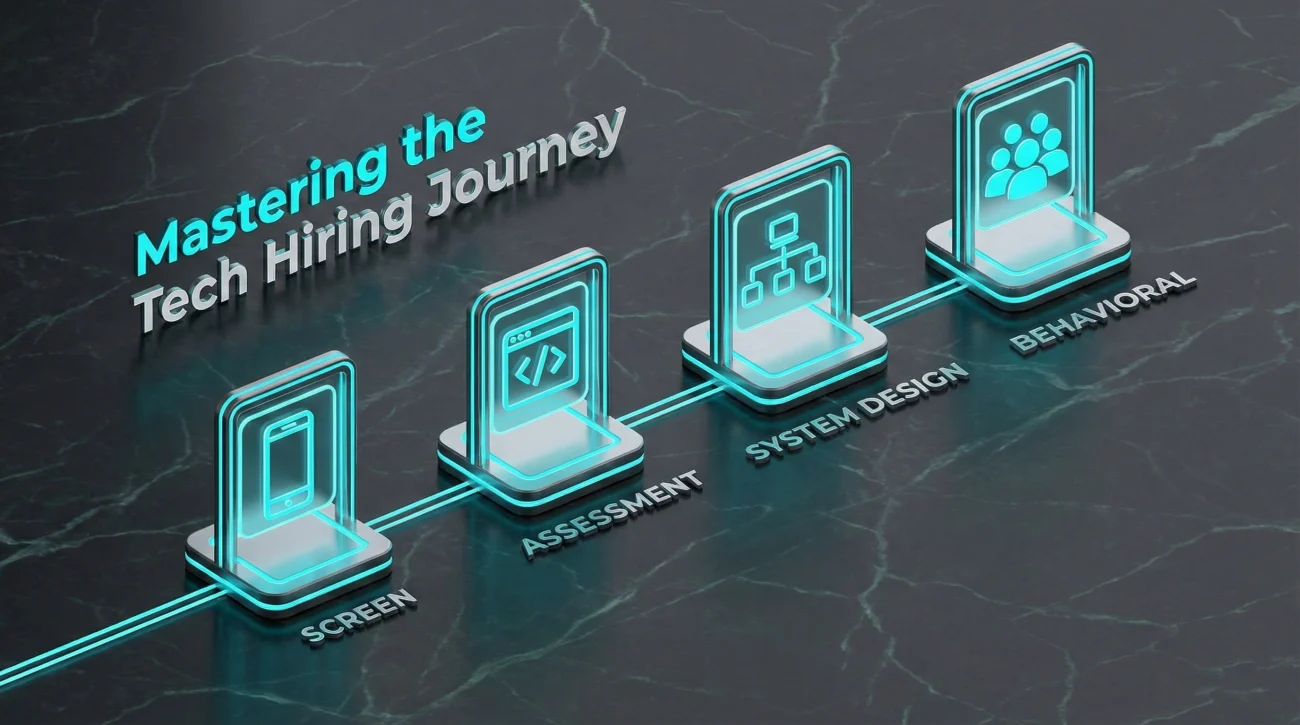
- Tech hiring pipeline in plain terms: Expect a phone screen, a coding assessment, a system design round, then behavioral fit, and prep for the stage you are actually entering.
- Focus changes by role: Software leans on algorithms and building features, data blends SQL plus stats and ML, infrastructure centers on reliability scenarios, product and project roles emphasize trade-offs and stakeholders.
- A prep plan that stays efficient: Learn the process, practice thinking out loud, build a small story bank with outcomes, then go deeper only where your target role demands it.
- Common mistakes that lose offers: Do not grind only algorithms, do not memorize patterns without understanding, do not skip company research, and do not avoid mock interviews.
IT Interview Questions (The Tech Hiring Roadmap)
Walking into a tech interview without understanding the roadmap feels like navigating a maze blindfolded. You might ace the coding challenge but stumble on system design. Or nail the technical round but freeze when asked behavioral questions. The truth? Most candidates fail not because they lack skills, but because they prepare for the wrong stages.
Mastering it interview questions means understanding the complete journey from phone screen to final offer. Each stage tests different competencies – algorithms in coding rounds, scalability thinking in system design, and cultural fit in behavioral interviews. This guide maps the entire tech hiring landscape, showing you what to expect at every checkpoint and how to prepare strategically.
Whether you’re targeting software engineering, data science, infrastructure roles, or product positions, the fundamentals remain consistent. Let’s break down the roadmap so you walk into every interview room with clarity and confidence.
Understanding the Tech Hiring Pipeline
The technical interview process typically unfolds in distinct phases, each designed to evaluate different aspects of your expertise. Companies rarely jump straight to technical depth – they build up gradually, filtering candidates at each gate.
Initial Phone Screen
Recruiters start with behavioral alignment and basic technical validation. Expect questions about your background, motivation for the role, and high-level technical concepts. They’re checking if you meet minimum qualifications before investing engineering time. Prepare a crisp 2-minute professional summary and be ready to discuss projects from your resume without diving into implementation details.
Technical Assessment Round
This stage separates casual applicants from serious candidates. Coding interview preparation becomes critical here – you’ll solve algorithmic problems under time pressure, either through take-home assignments or live coding sessions. Companies evaluate problem-solving approach, code quality, and communication skills. Focus on data structures, algorithms, and thinking aloud while you work through solutions.
System Design Interview
Senior roles require architecture thinking. The system design interview tests your ability to build scalable systems, make trade-off decisions, and handle ambiguous requirements. You’ll sketch distributed systems on a whiteboard, discuss database choices, caching strategies, and load balancing. Unlike coding rounds with right answers, design interviews reward structured thinking and architectural judgment.
Behavioral and Cultural Fit
Behavioral interview questions tech roles focus on collaboration, conflict resolution, and leadership potential. Teams want engineers who communicate effectively, handle feedback constructively, and align with company values. Prepare STAR method examples demonstrating ownership, technical leadership, and cross-functional partnership. These conversations often determine final hiring decisions when technical skills are comparable.
How Interview Focus Shifts Across IT Roles
While the pipeline structure remains consistent, question emphasis varies dramatically by role. Understanding these nuances prevents wasted preparation time and helps you prioritize effectively.
Software Development Roles
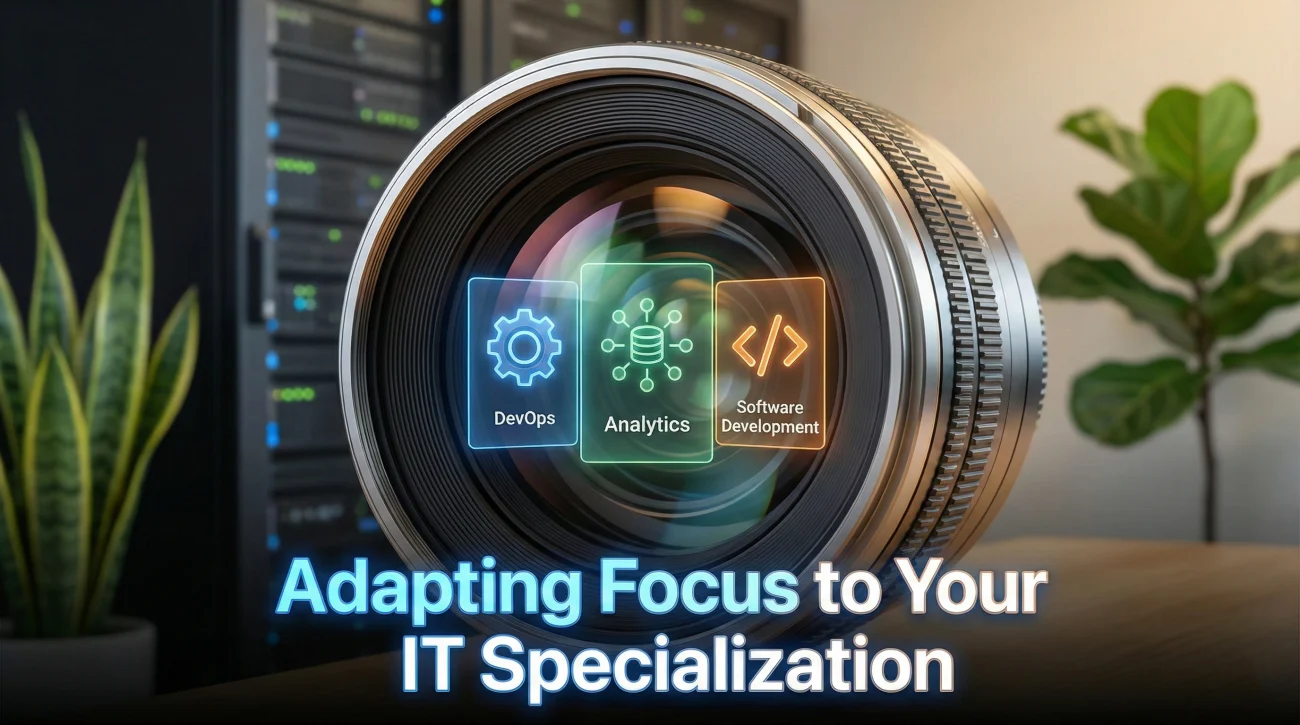
Software engineers face heavy algorithmic scrutiny. Coding rounds dominate, testing computer science fundamentals, data structures, and problem-solving speed. Frontend roles add DOM manipulation and rendering concepts. Backend positions emphasize API design, database modeling, and performance optimization. Full stack candidates must demonstrate competence across the entire application stack without specializing too narrowly.
Data and Analytics Positions
Data scientists encounter statistical reasoning and machine learning theory questions alongside coding. SQL proficiency becomes non-negotiable. Analysts face business case studies requiring insight extraction from messy datasets. Machine learning engineers get grilled on model deployment, scaling challenges, and MLOps practices. These roles blend technical depth with business acumen more than pure engineering positions.
Infrastructure and DevOps
Infrastructure roles prioritize operational thinking over algorithmic complexity. DevOps interviews cover CI/CD pipelines, containerization, and infrastructure-as-code. SREs face questions on reliability engineering, incident response, and error budget management. Cloud architects discuss landing zone design, security patterns, and cost governance. Expect scenario-based questions about system failures and recovery strategies.
Product and Project Management
Product managers demonstrate product sense through case studies and metric-driven thinking. Technical knowledge matters, but strategic prioritization and stakeholder management take center stage. Project managers answer questions about timeline management, risk mitigation, and team coordination. Scrum masters get evaluated on agile facilitation skills and conflict resolution approaches.
Building Your Preparation Strategy
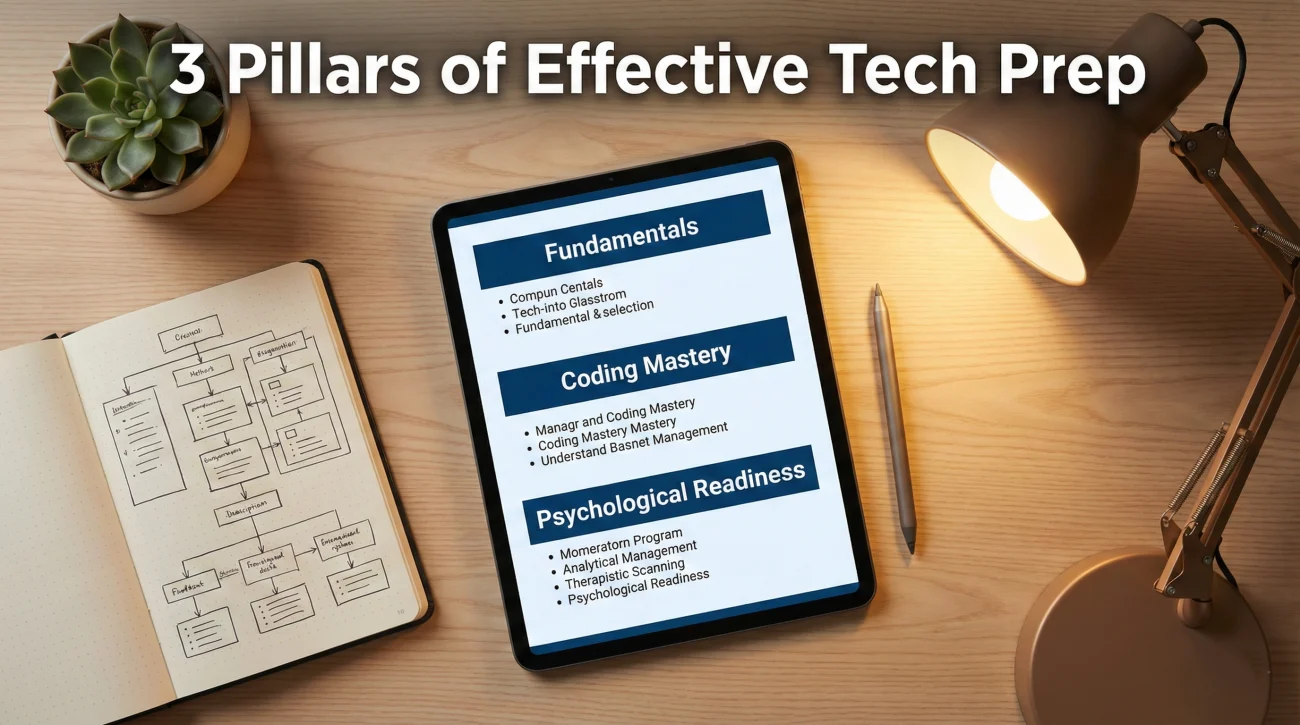
Effective preparation requires understanding what to study and, equally important, what to skip. Random practice wastes time – strategic focus compounds results.
Start with technical interview preparation fundamentals that apply across all roles. Master the interview process structure, time management under pressure, and stress management techniques before diving into role-specific content. This foundation prevents last-minute panic regardless of question difficulty.
Next, develop coding interview skills that improve communication and problem-solving approach. Learning to think aloud, handle getting stuck gracefully, and optimize whiteboard code separates strong candidates from average ones. These meta-skills matter more than memorizing 500 LeetCode solutions.
Don’t underestimate psychological preparation. Many technically brilliant candidates fail interviews due to anxiety rather than skill gaps. Imposter syndrome affects even experienced engineers – recognizing self-doubt patterns helps you address mental barriers. Addressing these psychological challenges often yields bigger gains than additional algorithm practice.
Browse our complete collection of preparation guides to find role-specific resources. The directory below organizes questions by discipline, helping you focus preparation on your target position. Generalist preparation builds confidence, but specialized study improves conversion rates when competing against focused candidates.
Common Preparation Mistakes That Cost Offers

Most interview failures stem from strategic errors, not technical incompetence. Recognize these patterns to avoid predictable pitfalls.
Over-indexing on algorithms while ignoring behavioral preparation creates imbalanced candidates. You might solve complex graph problems but fail when asked about past conflicts. Companies hire people, not code-writing machines. Allocate at least 30% of preparation time to behavioral stories and communication practice.
Memorizing solutions without understanding concepts backfires when interviewers twist problems slightly. Pattern recognition helps, but genuine comprehension allows adaptation. Focus on first principles – why algorithms work, not just how they execute.
Neglecting company research signals disinterest. Every interviewer asks “Why this company?” Generic answers about innovation or growth sound hollow. Study recent product launches, engineering blog posts, and technical challenges specific to the organization. Tailored preparation demonstrates genuine motivation beyond just landing any job.
Skipping mock interviews leaves communication skills untested. You might know solutions mentally but stumble explaining them under pressure. Practice verbalizing thought processes with peers, mentors, or interview prep platforms. The first time articulating complex ideas shouldn’t be during actual interviews.
IT Interview Questions by Role
Use this comprehensive direCTOry to navigate directly to questions for your target position. Each guide covers role-specific technical areas, common question patterns, and preparation strategies tailored to that discipline.
📚 Foundation Knowledge (Essential Preparation)
| Topic | Focus Area |
|---|---|
| Technical Interview Preparation | Process guide from phone screen to system design |
| Coding Interview Tips | Think aloud skills and whiteboard techniques |
| Imposter Syndrome in Tech | Overcoming anxiety and self-doubt |
💻 Software Development
| Role | Primary Focus |
|---|---|
| Software Engineer | CS fundamentals, algorithms, data structures |
| Frontend Developer | JavaScript, DOM manipulation, rendering |
| Backend Developer | API design, databases, system architecture |
| Full Stack Developer | End-to-end integration and data flow |
| Mobile Developer | App lifecycle, native vs hybrid approaches |
| iOS Developer | Swift, UIKit, Core Data |
| Android Developer | Kotlin, Jetpack, Coroutines |
📊 Data & Analytics
| Role | Primary Focus |
|---|---|
| Data Scientist | Statistics, ML models, data cleaning |
| Data Analyst | SQL, Excel, business insights |
| Machine Learning Engineer | MLOps, model deployment and scaling |
| Database Administrator | Performance tuning, indexing, backup |
🏗️ Infrastructure & Operations
| Role | Primary Focus |
|---|---|
| DevOps Engineer | CI/CD, containers, infrastructure automation |
| Site Reliability Engineer | SLO/SLI, error budgets, incident response |
| Cloud Architect | AWS/Azure patterns, security, DR/BCP |
| Cyber Security Analyst | Threat analysis, defense strategies |
| Network Engineer | OSI model, routing protocols |
| System Administrator | OS operations, scripting, user management |
📦 Product & Project
| Role | Primary Focus |
|---|---|
| Product Manager | Product sense, metrics, prioritization |
| IT Project Manager | Timeline, budget, stakeholder management |
| Scrum Master | Agile coaching, servant leadership |
| Business Analyst | Requirements gathering, UAT |
| Technical Writer | Documentation, API references |
⚙️ Language-Specific Development
| Role | Primary Focus |
|---|---|
| Java Developer | JVM, Spring Boot, multithreading |
| Python Developer | Django, scripting, Python ecosystem |
| C# Developer | .NET Core, MVC framework |
| Salesforce Developer | Apex, SOQL, Lightning components |
| Blockchain Developer | Smart contracts, Web3, gas optimization |
🛠️ Support & Quality
| Role | Primary Focus |
|---|---|
| Technical Support Engineer | L2/L3 troubleshooting, root cause analysis |
| QA Engineer | Testing strategies, bug lifecycle |
👔 Leadership & Management
| Role | Primary Focus |
|---|---|
| CTO | Technology strategy, culture, hiring |
| IT Manager | People management, budget oversight |
🎨 Design & Architecture
| Role | Primary Focus |
|---|---|
| UI/UX Designer | Figma, prototyping, user research |
| Game Developer | Unity, Unreal, physics engines |
| Solutions Architect | Integration patterns, stakeholder alignment |
❓ FAQ
🎯 How long should I prepare for tech interviews?
Preparation timelines vary by experience level and target role. Entry-level candidates typically need 2-3 months focusing on algorithms and data structures. Experienced engineers targeting senior positions should allocate 4-6 weeks for system design practice and behavioral preparation. Consistency matters more than duration – daily practice beats sporadic cramming.
💼 Do I need to master all question types for every interview?
No. Focus preparation on role-specific areas while maintaining baseline competency elsewhere. Software engineers emphasize algorithms; DevOps engineers prioritize infrastructure scenarios; product managers concentrate on case studies. Review the foundation knowledge guides, then specialize based on your target position.
⏰ What if I can’t solve a problem during the interview?
Demonstrate structured thinking rather than random guessing. Verbalize your approach, discuss trade-offs, and ask clarifying questions. Interviewers evaluate problem-solving process as much as final solutions. Getting stuck gracefully while communicating clearly often scores better than silent struggling followed by a correct answer.
📋 Should I memorize common interview questions?
Understanding patterns beats memorization. Study solution frameworks and problem-solving approaches rather than specific answers. Interviewers twist classic questions to test genuine comprehension. Learn why solutions work, not just how to implement them mechanically.
✨ How important are behavioral questions compared to technical ones?
Behavioral questions become the deciding factor when technical skills are comparable. Companies hire for cultural fit and collaboration ability, especially at senior levels. Allocate at least 30% of preparation time to behavioral stories using the STAR method. Strong technical skills won’t overcome poor interpersonal communication.
Final Thoughts
Tech interviews feel intimidating because they test multiple dimensions simultaneously – technical depth, communication clarity, and cultural alignment. But complexity becomes manageable when you understand the roadmap. Each interview stage serves a specific purpose, evaluating distinct competencies that together predict job performance.
Success comes from strategic preparation, not exhaustive memorization. Master the fundamentals that apply across all roles before specializing. Practice verbalizing solutions, not just coding them silently. Prepare behavioral stories that demonstrate growth, leadership, and collaboration.
Use this guide as your navigation system through the tech hiring process. Start with foundation knowledge, then drill into role-specific questions. Remember that it interview questions aren’t designed to trick you – they reveal how you think, communicate, and solve problems under pressure. Companies want to hire you; they’re just validating that you’re ready for the challenges ahead. Prepare systematically, communicate authentically, and trust your preparation when you walk into that interview room.
Once you have the roadmap, the next step is making your answers consistently defensible across every stage; evidence-based interviewing is a simple way to do that by training you to back each technical and behavioral claim with specific, checkable examples.
⚠️ Disclaimer: The interview strategies, sample answers, and negotiation tips provided in this guide are for educational purposes only. Hiring decisions are subjective and vary by company and industry. While these strategies are based on professional HR standards, they do not guarantee a specific job offer or result.