- Big Picture: Retail and customer service interviews test whether you can create a positive customer experience while still supporting business goals.
- Role Differences: Expectations change by role, so prep must match what the job actually does (sales, merchandising, cashiering, management, or support channels like phone and chat).
- Universal Skills: Strong candidates prove listening, problem-solving, emotional control, ethical selling, and operational basics like POS and teamwork.
- Prep Strategy: Research company values, products, reviews, and competitors, then build practical answers around common questions like difficult customers, pressure, and availability.
- How To Stand Out: Use concrete behavioral stories (STAR), avoid vague “good with people” claims, and show real examples of service recovery and results.
The Customer-Facing Industry
Retail and customer service careers center on direct human interaction: helping customers find products, solving problems, creating positive experiences, and building relationships driving repeat business. Mastering retail and customer service interview questions requires demonstrating people skills, product knowledge, problem-solving under pressure, and genuine service orientation beyond scripted politeness.
This guide maps the retail and customer service landscape across sales roles, merchandising positions, support channels, food service, beauty services, fitness, and specialized retail sectors. You’ll understand role distinctions, recognize universal service competencies, identify specialization requirements, and prepare effectively for behavioral and situational questions.
Understanding Retail and Service Sectors
Retail and customer service span diverse specializations requiring different skill combinations and preparation approaches.
Core Retail Operations
Traditional retail roles focus on product sales, inventory management, and store presentation.
| Role Category | Primary Focus | Key Interview Themes |
|---|---|---|
| Sales & Service | Customer interaction and transaction completion | Greeting techniques, product knowledge, upselling, handling objections, POS accuracy |
| Merchandising | Product presentation and inventory flow | Planogram execution, display aesthetics, inventory rotation, stock replenishment |
| Store Management | Operations and team leadership | P&L responsibility, staffing, scheduling, loss prevention, performance management |
Customer Service and Support Channels
Support roles deliver assistance across communication channels with varying skill requirements.
- 📞 Call Center: Phone-first support, high volume, scripts, KPIs (AHT/FCR), empathy under pressure
- 💬 Chat Support: Typing speed, multitasking conversations, macro usage, tone without voice
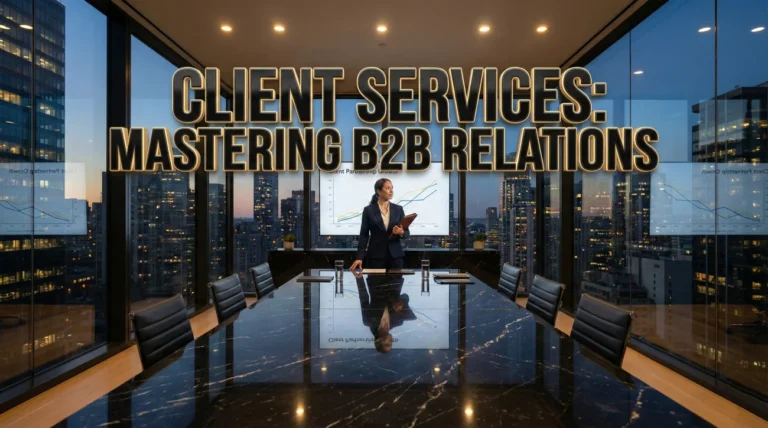
- 🤝 Client Services: B2B relationships, account management, strategic problem-solving, professionalism
- 🖥️ Help Desk: Technical troubleshooting, ticketing systems, escalation judgment, SLA awareness
Specialized Retail and Personal Services
Certain retail sectors require industry-specific knowledge beyond general service skills.
- Food and grocery: Freshness knowledge, food safety, product rotation, preparation skills
- Beauty and spa: Technical skills (hair, makeup, skincare), product expertise, consultation
- Fitness: Exercise knowledge, motivation, safety, program design, equipment proficiency
- Luxury goods: Clienteling, brand knowledge, discretion, high-value transactions
- Professional services: Healthcare retail (pharmacy), financial (bank teller), automotive (parts specialist)
Expert advice: The biggest interview mistake is treating all retail roles identically. A cashier emphasizing product styling misses transaction efficiency focus while visual merchandiser discussing POS operation wastes time. Research your specific role’s core responsibilities: retail breadth means interview expectations vary dramatically by position.
Universal Service Competencies
Despite role diversity, certain competencies appear consistently across customer-facing positions.
Customer Interaction Excellence
All retail and service roles require strong interpersonal skills and customer-first orientation.
| Competency | What Interviewers Assess | Demonstration Methods |
|---|---|---|
| Greeting and engagement | Warmth, approachability, reading customer readiness for help | Describe greeting approach, timing, adapting to customer signals |
| Active listening | Understanding needs beyond stated requests, asking clarifying questions | Share examples of uncovering real customer needs through listening |
| Problem-solving | Finding solutions within constraints, creative alternatives, resourcefulness | Discuss difficult customer situations resolved successfully |
| Emotional regulation | Staying positive despite difficult customers, managing personal stress | Explain approach to remaining professional when customers are rude |
Sales and Service Balance
Retail roles require balancing genuine helpfulness with sales targets and business objectives.
- 💰 Upselling naturally: Suggesting additional items that genuinely benefit customer, not pushy tactics
- 🎯 Product knowledge: Understanding features, benefits, comparisons enabling informed recommendations
- ✨ Building loyalty: Creating positive experiences encouraging return visits and referrals
- ⚖️ Ethical selling: Honesty about limitations, appropriate recommendations, long-term relationship focus
Operational and Technical Skills
Beyond people skills, retail roles require practical competencies ensuring smooth operations.
- POS proficiency: Accurate transaction processing, handling returns, payment methods, basic troubleshooting
- Inventory awareness: Stock levels, product locations, replenishment needs, loss prevention
- Time management: Balancing multiple customers, task prioritization, efficiency without rushing
- Teamwork: Coordinating with colleagues, supporting during rushes, clear communication, flexibility
💡 Pro tip: Retail interviews heavily emphasize behavioral examples using STAR method. Prepare 5-7 stories covering: difficult customer, upselling success, teamwork, problem-solving, handling busy periods, mistake recovery, going above-and-beyond. Concrete examples prove capability better than claiming “I’m good with people.”
Interview Preparation Strategies
Effective retail interview preparation balances demonstrating service mindset with practical experience and role knowledge.
Company and Role Research
Understanding target company’s culture, products, and service philosophy enables tailored responses.
| Research Area | What to Learn | How to Use |
|---|---|---|
| Company values | Mission statement, service philosophy, culture priorities | Reference values in answers, align examples with their priorities |
| Products/services | Offerings, price points, target customers, unique selling points | Ask informed questions, discuss relevant experience, show genuine interest |
| Customer reviews | Common complaints, praised aspects, service gaps | Address pain points proactively, discuss how you’d contribute to strengths |
| Competitor landscape | Market position, differentiation, competitive advantages | Demonstrate business awareness, discuss what attracts you to this company specifically |
Common Retail Interview Questions
Anticipate and prepare for frequently asked questions across retail and service interviews.
- Difficult customer: “Tell me about a time you handled an upset customer.” Focus on de-escalation, empathy, solution
- Sales success: “Describe your approach to upselling.” Emphasize customer benefit, not manipulation
- Availability: “Can you work weekends/holidays?” Be honest but flexible where possible
- Teamwork: “How do you work with colleagues?” Share collaboration examples, conflict resolution
- Handling pressure: “How do you manage busy periods?” Discuss prioritization, staying calm, efficiency
For comprehensive interview frameworks covering service scenarios and behavioral questions, explore our professional interview preparation resources.
❓ FAQ
🎯 How important is previous retail experience?
Entry-level retail often values attitude and availability over experience. Emphasize transferable skills from any customer interaction: volunteer work, school activities, personal services. Show genuine enthusiasm, willingness to learn, flexibility about hours, and positive attitude. Experienced roles require demonstrating specific competencies through concrete examples, but even then, cultural fit and service mindset matter as much as technical retail knowledge.
💼 Should I mention salary expectations during interviews?
Wait for interviewer to raise compensation unless application specifically requested salary requirements. When asked, research typical pay for role/location first. Provide range rather than single number, emphasize total package interest (benefits, growth, training), and note flexibility based on full opportunity. For retail roles often at set pay scales, focus conversation on advancement potential and earning opportunities through commission or promotion.
⏰ How do I demonstrate customer service skills without experience?
Draw from any interpersonal interactions: helping classmates, family situations, volunteer work, club leadership, even customer experiences where you observed excellent service. Discuss how you’d handle scenarios (“If a customer seemed frustrated, I would…”). Show genuine empathy, problem-solving thinking, and positive attitude. Many retailers prefer training inexperienced candidates with right attitude over experienced workers with poor service mindset.
📋 What should I wear to retail interviews?
Dress one level above the role: business casual for most retail positions (slacks/khakis, collared shirt or blouse, closed-toe shoes). Luxury retail merits business professional. Observe employees if possible, matching their formality level. Always err toward more professional than less. Avoid excessive jewelry, strong fragrances, or anything distracting from conversation. Clean, neat, well-fitted clothing shows respect for opportunity and understanding of professional presentation.
✨ How do I stand out in group retail interviews?
Participate actively without dominating, show genuine interest in others’ responses, demonstrate teamwork through supportive comments, maintain positive energy throughout, make eye contact with interviewers when speaking. During activities, balance leadership with collaboration. Remember interviewers assess you constantly, not just when answering directly. Retail success requires both individual initiative and team support: demonstrate both qualities authentically rather than performing for attention.
Final Thoughts
Success with retail and customer service interview questions requires demonstrating genuine service orientation, interpersonal skills, and role-specific competencies through concrete examples. Strong candidates prepare behavioral stories, research company culture, and communicate authentic enthusiasm for helping customers rather than just collecting paychecks.
⚠️ Disclaimer: The interview strategies, sample answers, and negotiation tips provided in this guide are for educational purposes only. Hiring decisions are subjective and vary by company and industry. While these strategies are based on professional HR standards, they do not guarantee a specific job offer or result.